

In a move that caught many observers by surprise amid ongoing debates over urban resource allocation Houston City Council members cast their votes in favor of a major agreement. This action places the Harris Center in charge of operations at the new EaDo homeless shelter. The decision comes at a time when city leaders seek fresh approaches to support individuals living without stable housing and the facility is set to offer structured pathways toward greater stability for participants.
Council Session Highlights

During the session officials reviewed contract terms that outline a lease arrangement alongside service provisions valued at thirty nine million dollars. Discussions touched on oversight mechanisms and performance metrics that will guide daily activities at the site. Several council members noted the need for accountability measures to ensure public funds deliver measurable results over the agreement period.
Harris Center Operational Role

The Harris Center brings experience in behavioral health and social support programs to the EaDo homeless shelter. Staff will coordinate intake procedures and develop individualized plans aimed at connecting residents with medical care employment resources and housing navigation. This integrated model draws from prior initiatives the organization has managed in the region.
Facility Design and Capacity

Planners designed the shelter to accommodate several hundred individuals at once with dedicated spaces for case management meetings and basic amenities. The layout prioritizes safety and privacy while allowing room for group activities that foster community among residents. Construction updates indicate the building will meet modern standards for accessibility and energy efficiency.
Geographic Context of EaDo

The EaDo neighborhood offers proximity to public transit lines and local employment centers which may ease transitions for shelter participants. City reports suggest this location reduces barriers compared with more isolated sites and allows easier access to nearby clinics and training programs. Community input shaped aspects of the site selection process.
Service Offerings for Residents
Beyond immediate shelter the EaDo homeless shelter will provide meals counseling sessions and skill building workshops. Case managers will track progress toward goals such as securing identification documents or enrolling in job readiness courses. Partnerships with external agencies will supplement on site capabilities for specialized needs.
Community Feedback Patterns

Local residents and business owners expressed mixed views during public comment periods with some welcoming the added resources while others raised questions about traffic and safety. Organizers hosted informational meetings to address concerns and share data on similar facilities elsewhere in the state. Ongoing dialogue remains part of the implementation plan.
Financial Structure Overview

Funding combines city allocations with state and federal contributions spread across multiple years. The contract specifies reporting requirements that tie disbursements to documented outcomes in areas like successful housing placements. Auditors will review expenditures to maintain transparency throughout the agreement duration.
Implementation Timeline
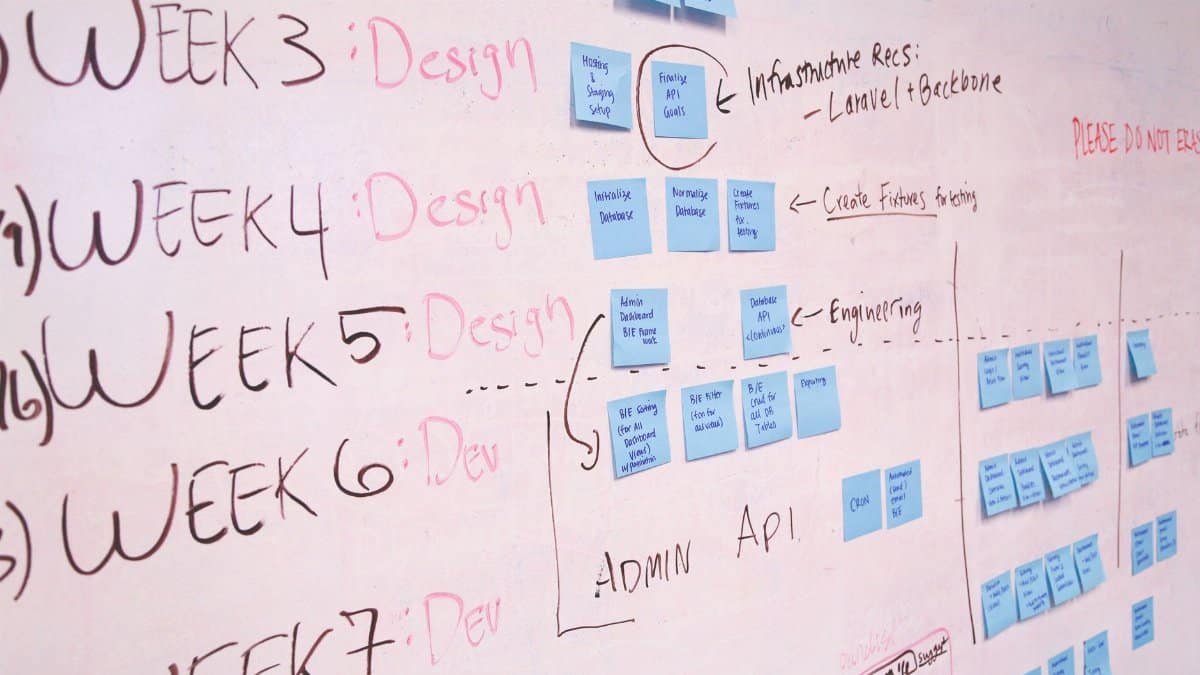
Phased openings are expected to begin within the next several months allowing staff to refine procedures gradually. Initial focus areas include staff training and system setup for client tracking. Full operational capacity is projected within the first year once all support networks are in place.
Regional Homelessness Trends

Houston like many growing metropolitan areas continues to see demand for shelter services amid rising housing costs and economic shifts. Data from local counts show varying patterns by demographic group and the new facility aims to address gaps identified in recent assessments. Collaboration across agencies forms a key part of the strategy.
Future Evaluation Measures

Success indicators will include rates of transition to permanent housing and reductions in returns to street living. Independent reviews scheduled at regular intervals will assess program effectiveness and suggest adjustments. City leaders view this effort as one element within a larger framework of supportive policies.