
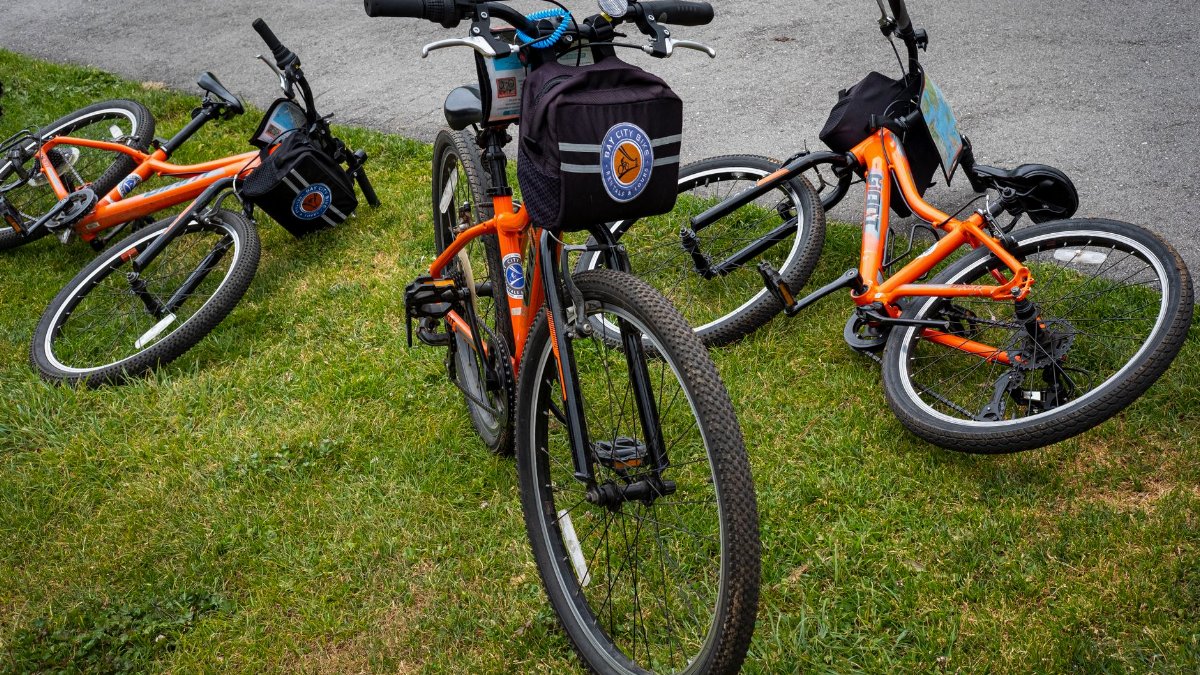
Residents across Philadelphia are preparing for major traffic changes this weekend. The annual cycling event will bring road restrictions to popular areas including Manayunk and Fairmount Park. These Cycling Classic closures will also influence several bus routes operated by SEPTA. Local officials have issued advisories urging drivers and commuters to plan ahead and consider public transit alternatives where possible. The event draws large crowds and participants from around the region creating both excitement and logistical challenges for those living nearby. Neighborhood associations have begun sharing maps and suggested detours to help ease the transition for everyone involved.
Effects on Manayunk Residents
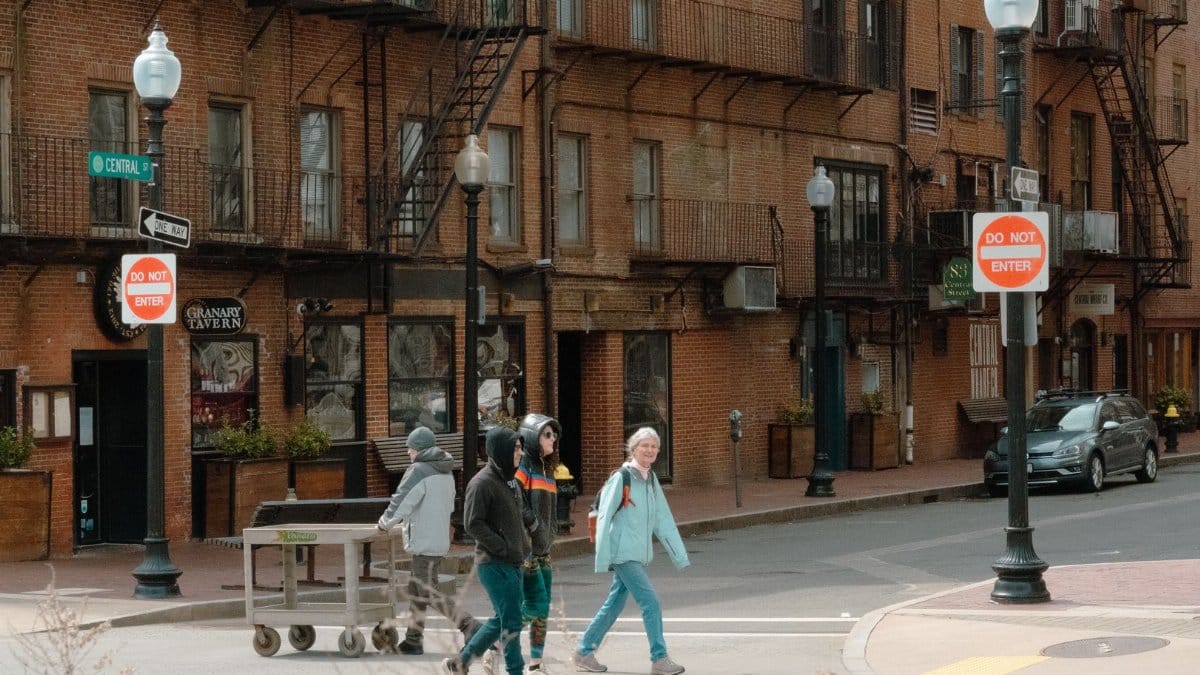
Many families in Manayunk rely on certain streets for their daily commutes. With the closures in place they may need to find longer paths to reach schools and workplaces. Business owners worry about reduced foot traffic during the day of the event yet some see an opportunity to attract spectators who linger after the races conclude. Community leaders have organized information sessions to answer questions and distribute printed guides that detail alternate routes around the affected zones.
Changes to Fairmount Park Access
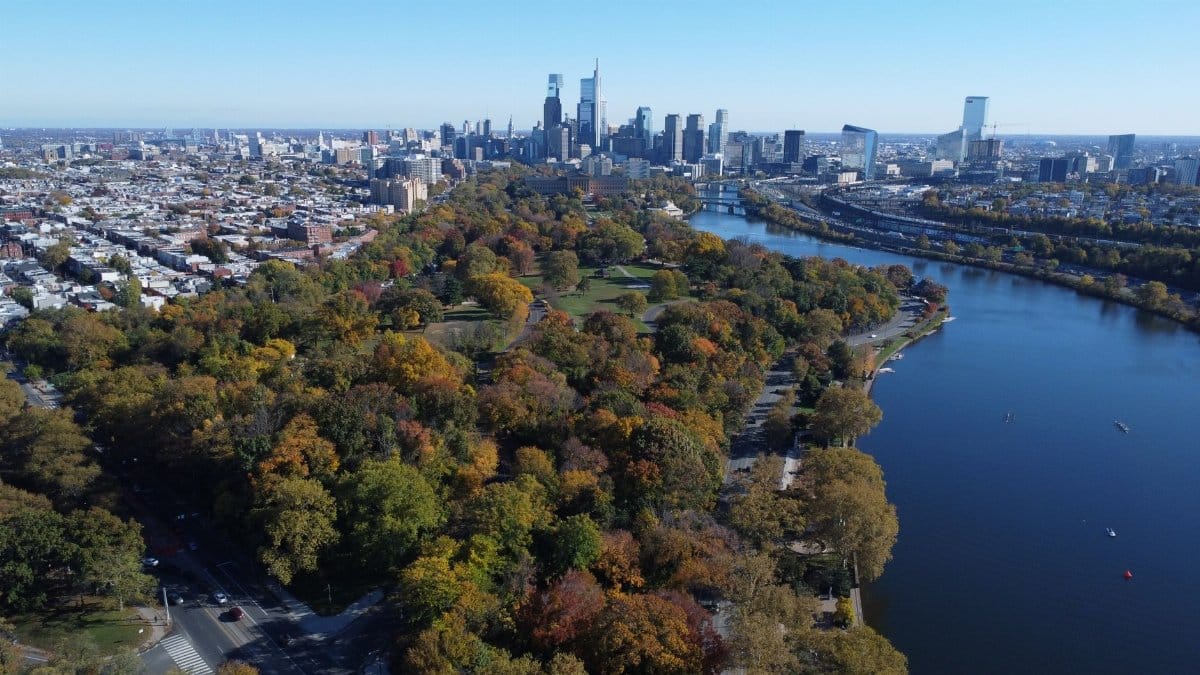
Fairmount Park serves as a central green space for countless residents seeking recreation and relaxation. Portions of the park will see temporary barriers that limit vehicle entry while allowing pedestrian and bicycle movement in designated corridors. Park rangers plan to increase patrols to maintain order and assist visitors who arrive unaware of the restrictions. The natural beauty of the area remains a draw even as pathways shift to accommodate the cycling competition.
Adjustments for SEPTA Riders
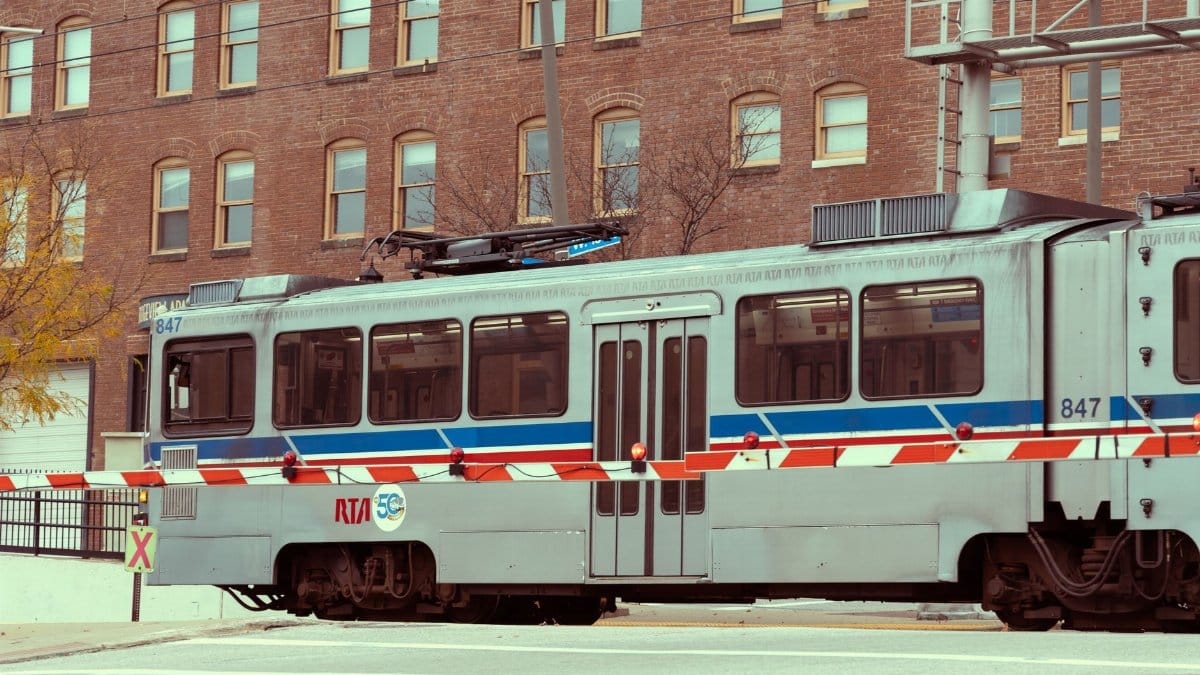
SEPTA has announced modified schedules for multiple bus lines that normally traverse the closed sections. Passengers are encouraged to check the agency website or mobile application for real time updates on delays and reroutes. Some routes will terminate earlier than usual while others will add stops to compensate for the blocked roads. Officials emphasize patience as drivers navigate unfamiliar paths during the peak hours of the event.
Alternative Routes for Cyclists
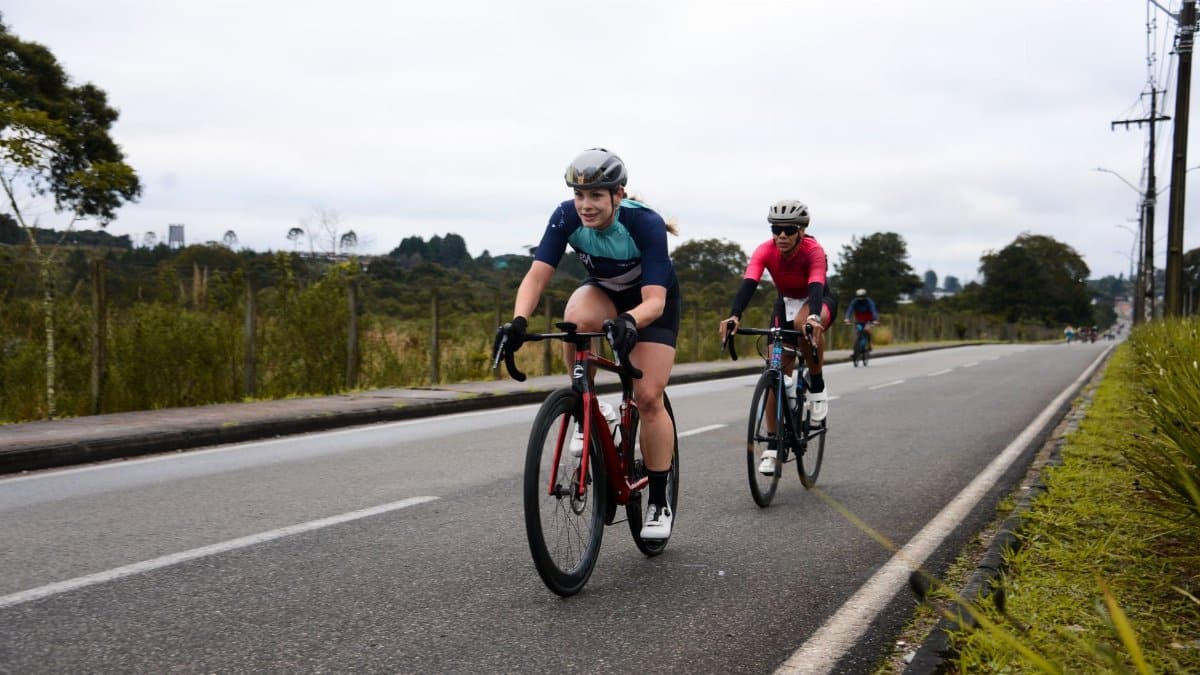
Enthusiasts who wish to ride without interfering with the official course can explore parallel streets that remain open throughout the day. Local cycling clubs have mapped out scenic loops that avoid the primary closure areas yet still offer challenging terrain and pleasant views. Safety remains a priority with increased signage reminding all road users to share space responsibly.
Economic Impact on Local Businesses

Restaurants and shops near the race path anticipate a mix of outcomes. Some expect a surge in customers seeking refreshments while others fear the barriers will deter regular patrons from venturing out. Store managers have stocked extra supplies in anticipation of higher demand from event attendees and their supporters.
Safety Measures During the Event
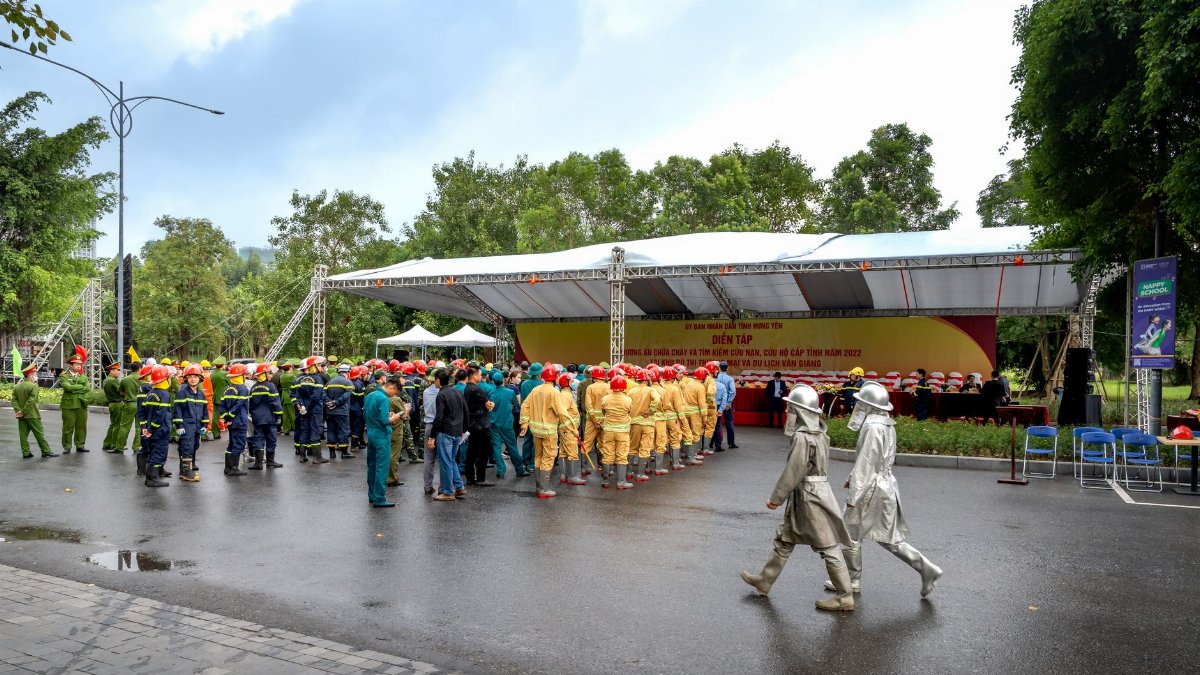
Police and emergency personnel will maintain a visible presence to respond quickly to any incidents. Barricades and directional signs will guide both participants and spectators away from hazardous zones. Organizers have coordinated with medical teams to ensure rapid access to care if needed along the course.
Historical Context of the Race

The competition has grown from a modest local gathering into a major regional attraction over the years. Past editions have showcased elite athletes alongside amateur riders creating a festive atmosphere that celebrates physical endurance and community spirit. Each iteration brings refinements based on feedback from previous years.
Community Reactions and Preparations

Neighborhood meetings have revealed a range of sentiments from enthusiasm for the sporting spectacle to frustration over the inconveniences. Volunteers have stepped forward to staff information booths and assist with crowd management. Their efforts aim to foster goodwill and minimize disruptions for everyone affected.
Environmental Considerations

Event planners have incorporated measures to reduce waste and encourage sustainable transportation to the venue. Recycling stations will appear at key spectator points while shuttle services help limit the number of private vehicles on nearby roads. Such steps reflect a broader commitment to balancing recreation with ecological responsibility.
Future Plans for Similar Events

City leaders continue to evaluate the balance between hosting high profile competitions and preserving daily mobility for residents. Discussions include potential adjustments to timing and scope based on this weekend experience. Ongoing dialogue seeks to refine processes that support both athletic achievement and urban livability.