
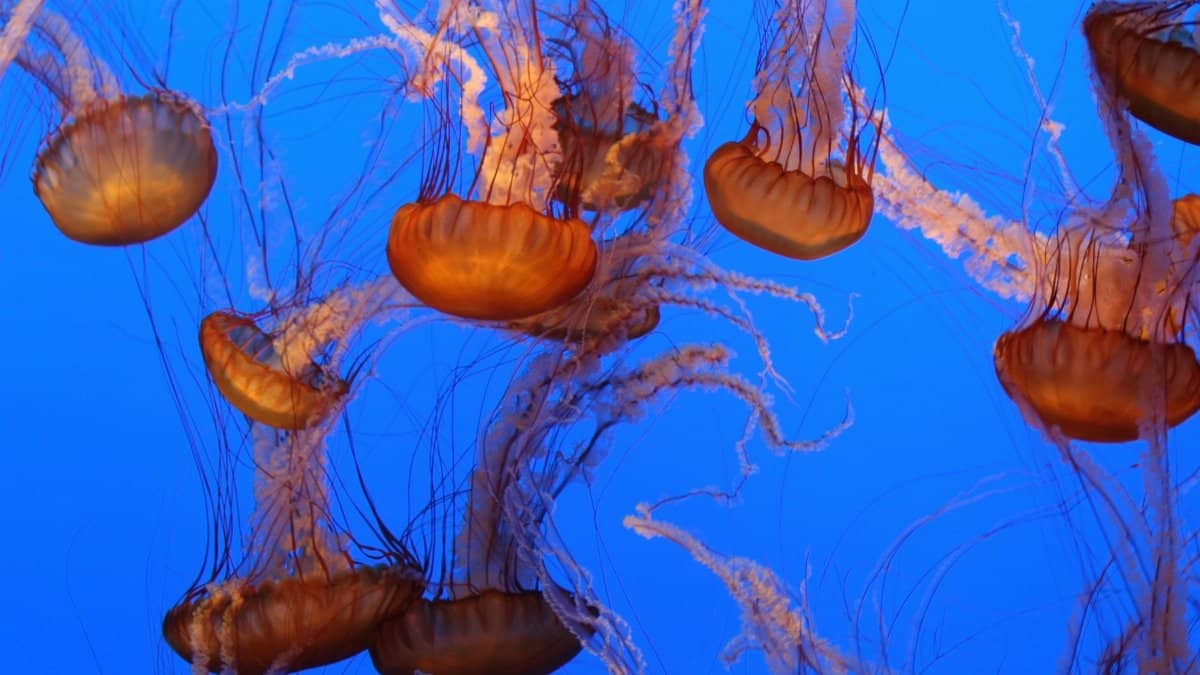
In the predawn calm at a coastal facility in Southern California, teams moved swiftly to prepare holding tanks for hundreds of marine creatures delivered under tight security. The arrival marked a significant response to aquarium wildlife trafficking, an underground trade that continues to threaten ocean ecosystems across the Pacific region. Staff worked methodically, assessing each animal for signs of stress or injury while coordinating with federal agents who had intercepted the shipment. This quiet transfer underscored how public institutions often shoulder the burden when enforcement actions uncover hidden networks of illegal collection and transport.
Details of the Recent Delivery

The Aquarium of the Pacific accepted more than five hundred fish, sharks and invertebrates following an enforcement action on June 19. Officials described the process as routine yet demanding, with every specimen logged and examined upon arrival. Many animals came from tropical waters and required immediate adjustments to water chemistry and temperature to ensure survival. The facility has handled similar intakes before, yet the volume this time tested capacity limits and prompted temporary reallocations of exhibit space.
Background on How These Animals Are Taken
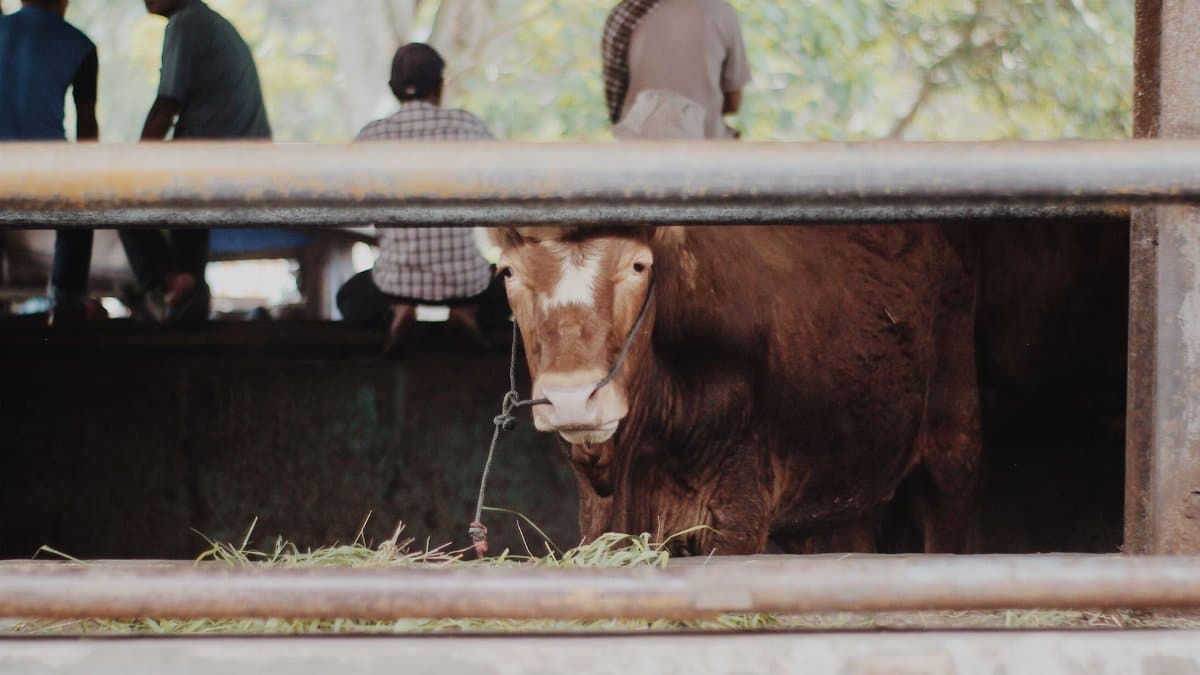
Traffickers often target reefs and coastal zones where demand for rare or colorful species runs high among private collectors. Methods range from cyanide stunning to destructive net techniques that damage surrounding habitats. Once removed, the animals pass through multiple handlers before reaching markets in North America or Europe. Enforcement agencies track these routes through shipping records and tips from concerned divers or local communities.
Role of Aquariums in Providing Care
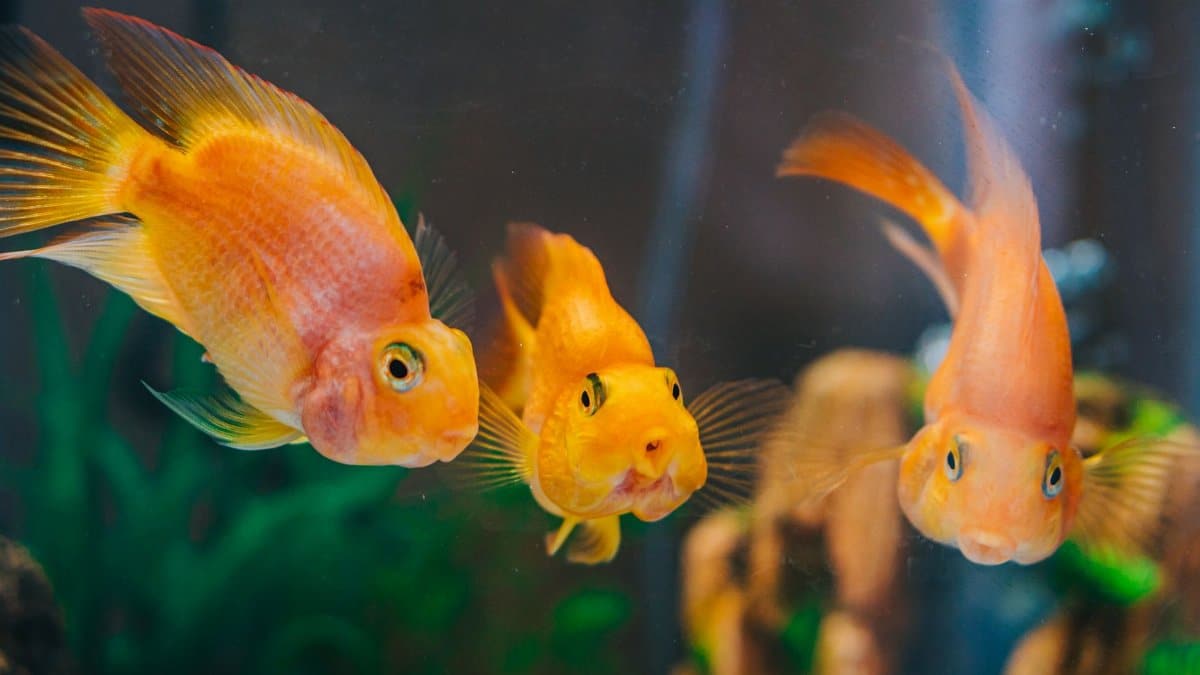
Facilities such as the one in Long Beach maintain specialized teams trained in rehabilitation and quarantine protocols. Upon intake, each creature receives a health screening that includes parasite checks and behavioral observations. Staff then decide whether individuals can join public displays or must remain in offsite recovery areas. This work demands constant monitoring and significant resources, especially when dealing with species unaccustomed to captivity.
Impact on Marine Ecosystems
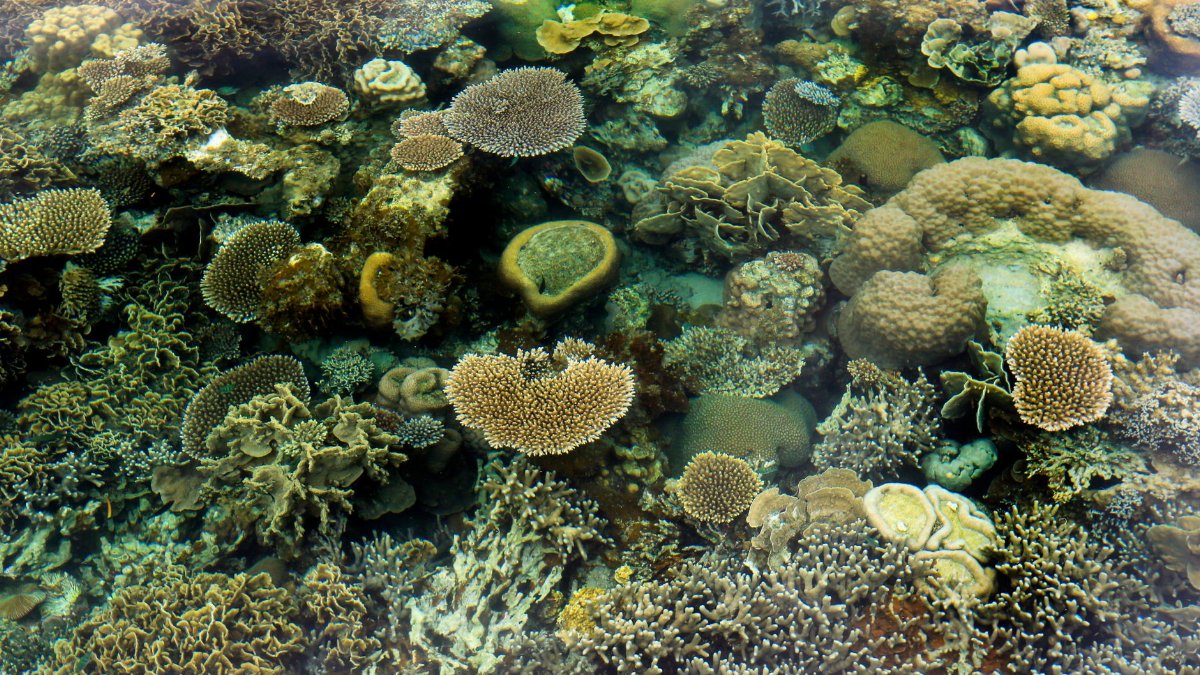
Repeated removals from the wild can reduce breeding populations and disrupt food chains in sensitive reef areas. Over time, such losses contribute to broader declines in biodiversity that affect tourism and fisheries alike. Conservation groups note that even small scale operations can compound when repeated across many locations. Restoring balance requires both enforcement and public education about the origins of displayed marine life.
Challenges in Long Term Housing

Space constraints at rescue centers often force difficult choices about which animals receive priority placement. Some species grow quickly or exhibit territorial behaviors that limit options for group housing. Aquariums must also secure ongoing funding for food, filtration systems and veterinary support. Partnerships with research institutions sometimes help offset costs through shared data collection or breeding programs.
Legal Framework Surrounding the Trade

Federal statutes prohibit the import of protected marine species without proper permits, yet gaps in international cooperation allow some shipments to slip through. Prosecutors rely on documentation of origin and chain of custody to build cases. Penalties can include fines and bans on future imports, though repeat offenders sometimes evade detection by operating through intermediaries. Stronger coordination among nations remains an ongoing priority for authorities.
Public Awareness and Visitor Response

Once animals recover, many appear in exhibits where visitors learn about the pressures facing wild populations. Informational panels and guided talks highlight the difference between responsibly sourced displays and those tied to illegal activity. Attendance figures suggest growing interest in these stories, with many guests expressing support for stricter oversight of the pet trade. Such engagement helps translate institutional efforts into broader community action.
Future Steps for Conservation Efforts

Leaders at the aquarium plan to expand monitoring programs and share findings with similar institutions nationwide. Improved tracking technology could help identify patterns in trafficking routes earlier. Collaboration with customs officials may also speed up transfers of seized specimens to appropriate care facilities. These measures aim to reduce the time animals spend in transit and increase survival rates after rescue.