

In recent developments a significant misstep in reporting has come to light within the Minneapolis schools finance system. The district failed to claim 4.1 million dollars in special education reimbursements because of an underreporting of expenses. This incident highlights ongoing issues with how the district manages its budget and oversight. Families and educators alike now question the reliability of internal processes that are meant to secure vital resources for students with special needs. The error did not surface until an external review exposed the gap leaving many to wonder about deeper problems in record keeping and accountability.
Background on the Expense Underreporting

The shortfall stemmed from incomplete documentation of costs associated with specialized services. Staff members responsible for submitting claims apparently overlooked certain categories of spending during the annual filing period. As a result the state withheld the expected reimbursement which directly affected the overall operating budget for the current school year.
Broader Patterns in District Budget Management

This latest revelation fits into a series of earlier discrepancies that have drawn scrutiny from state auditors. Previous audits pointed to inconsistent tracking of personnel costs and supply purchases across multiple departments. Observers note that such patterns suggest a need for more robust training and technology upgrades to prevent future shortfalls.
Effects on Classroom Resources and Staffing
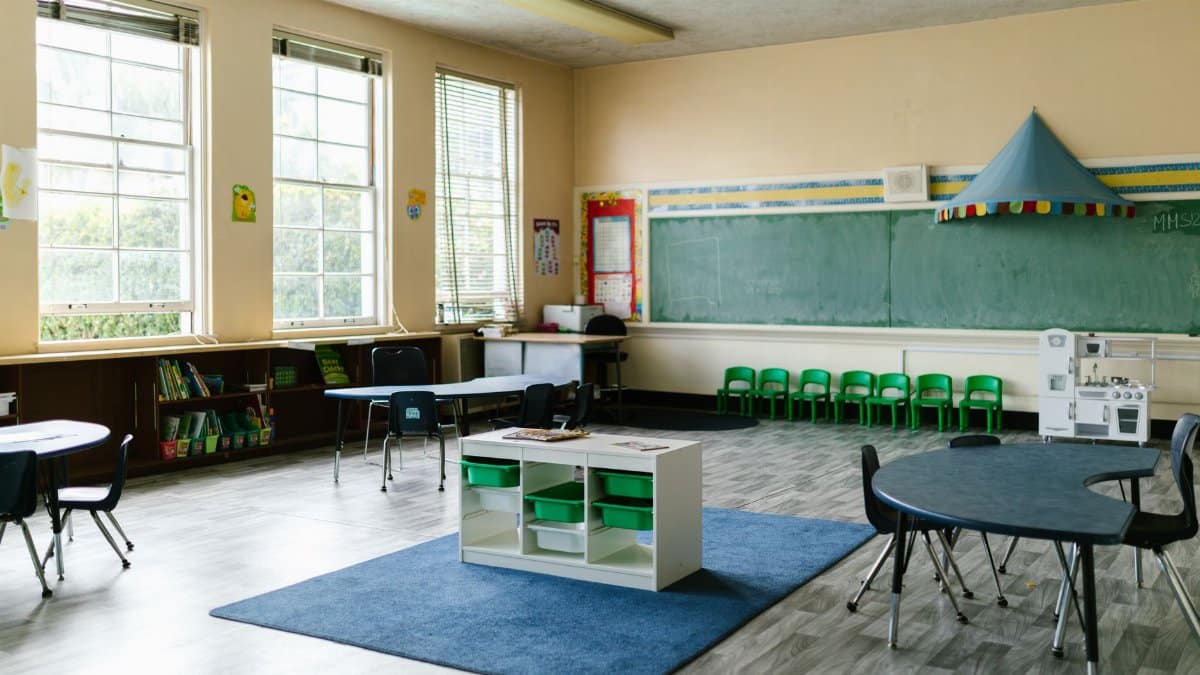
Without the missing funds administrators have had to delay planned purchases of adaptive equipment and instructional materials. Some support positions remain unfilled which places additional pressure on existing teachers and aides. Parents report longer wait times for evaluations and therapy sessions that their children require.
Responses from Families and Local Advocates

Community members have organized meetings to discuss the implications for student outcomes. Advocates emphasize that reliable funding streams are essential for maintaining equitable opportunities in public education. Several parent groups have called for greater transparency in how budget decisions are made at the central office level.
Role of External Audits in Identifying Gaps

The discovery came about through a routine check by an outside firm hired to review compliance with state and federal guidelines. Such reviews serve as an important safeguard yet they occur only periodically which can allow errors to accumulate over time. District leaders acknowledge the value of these independent assessments while pledging to improve internal controls.
Comparisons with Neighboring School Systems

Nearby districts have adopted automated software solutions that flag incomplete submissions before they reach state reviewers. Those approaches have reduced similar errors in recent years. Minneapolis officials are now studying these models to determine whether similar tools could be implemented without straining existing resources.
Potential Steps Toward Stronger Oversight

Recommendations from education finance experts include monthly reconciliation of expense logs and cross training among finance team members. Regular reporting to the school board could also provide an additional layer of review. Implementing these measures would require investment but could ultimately protect against larger losses.
Looking Ahead for Minneapolis Schools Finance Stability

The district has begun an internal task force to examine all recent claims processes and identify where additional checks are needed. Restoring public confidence will depend on visible progress in correcting the underlying issues rather than simply addressing symptoms. Continued attention to Minneapolis schools finance practices remains essential for ensuring that resources reach the students who need them most.