

In a city where daily commutes shape everything from family schedules to economic vitality, the latest financial plan from Houston METRO signals a shift toward tighter service levels even as overall spending climbs. The Houston METRO budget of one point seven billion dollars comes at a moment when riders already navigate uneven schedules and rising costs elsewhere in their lives. This proposal reflects broader pressures on public systems that must balance expansion dreams against immediate operational realities.
Core Elements of the Spending Proposal

The plan allocates major portions to ongoing operations while trimming projected hours for both bus routes and rail lines. Officials point to inflation in fuel, labor, and maintenance as primary drivers behind the restraint. Service reductions appear measured rather than drastic, yet they arrive after years of pandemic related disruptions that already thinned schedules.
Impact on Everyday Bus Riders
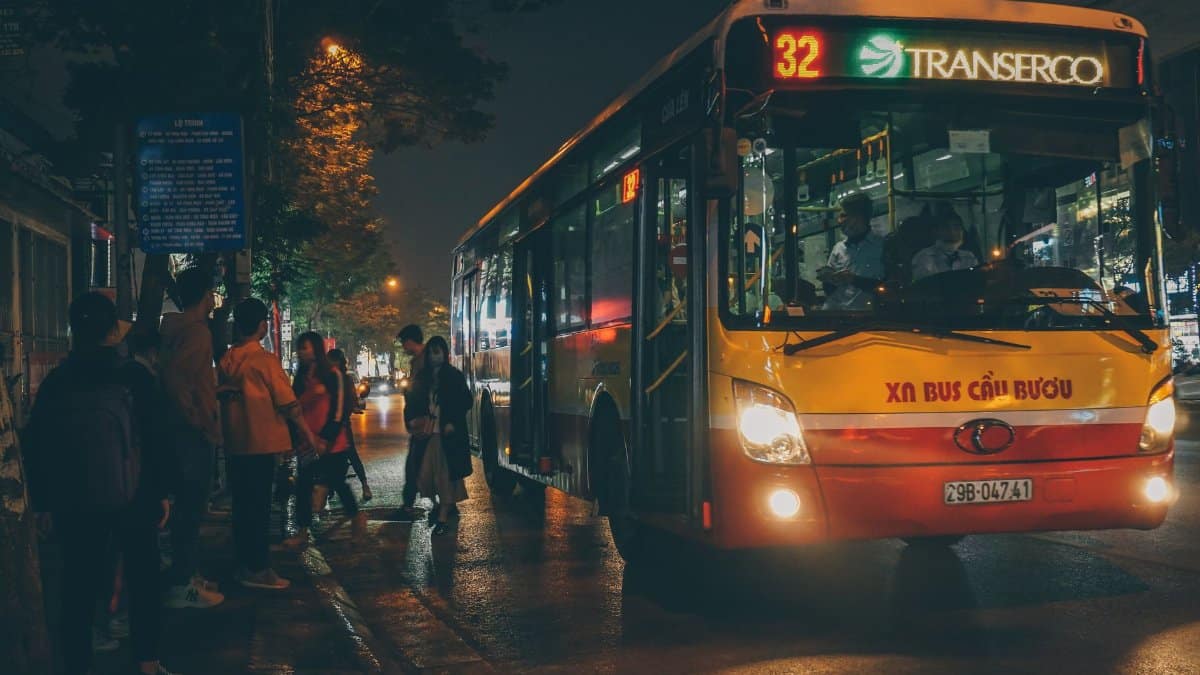
Frequent bus users stand to notice fewer trips during off peak periods and on certain corridors. Those who rely on transit for work in retail, healthcare, and hospitality may face longer waits or forced transfers. Community groups have begun collecting rider stories to illustrate how these adjustments ripple into personal finances and time management.
Rail Service Adjustments Under Review

Light rail lines would see modest cuts in daily runs, particularly outside rush hours. Planners cite lower weekend demand as one justification, though advocates argue that reduced frequency risks further suppressing ridership. The changes remain proposals until the board votes later this month.
Revenue Sources Supporting the Plan
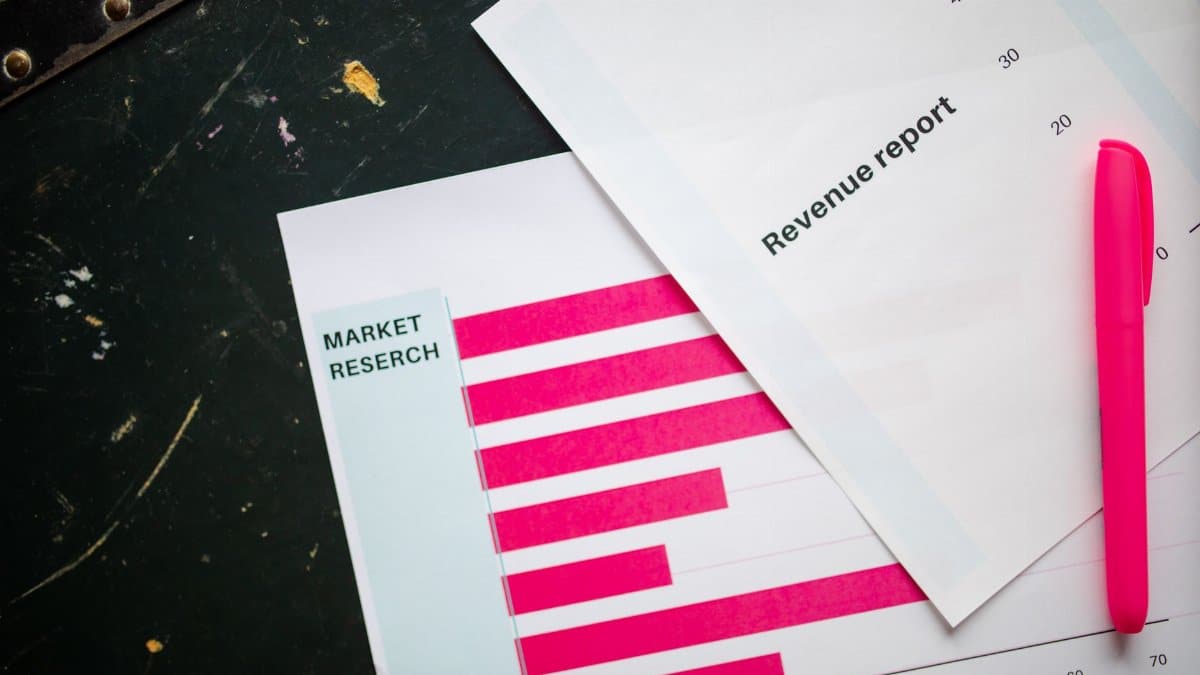
Sales tax collections form the backbone of funding, supplemented by federal grants and fare income. Recent economic growth in the region has helped stabilize those tax streams, yet volatility in energy prices introduces uncertainty. Agency leaders emphasize the need for reserves to handle unexpected shortfalls.
Comparisons With Prior Year Allocations

Last cycle saw slightly higher service hours across the network. The current framework trades some of those hours for investments in fleet maintenance and technology upgrades. Observers note that such tradeoffs mirror patterns in other large transit agencies facing similar cost curves.
Public Feedback Sessions and Concerns

Several town halls drew residents worried about access to medical appointments and evening classes. Transit dependent households described the proposed schedule as another layer of strain amid housing and grocery pressures. Agency staff recorded comments for board consideration before final approval.
Long Term Vision Amid Short Term Cuts

Despite the immediate pullback in hours, the agency continues work on capital projects such as bus rapid transit corridors and station improvements. Supporters frame these as essential for future capacity once financial conditions stabilize. Critics question whether service quality today might hinder the ridership growth needed to justify tomorrow expansions.
Regional Comparisons and Lessons

Neighboring systems in Dallas and Austin have pursued different mixes of service preservation and new infrastructure. Houston leaders studied those approaches while tailoring choices to local tax structures and population densities. The resulting plan reflects a cautious middle path rather than bold expansion or deep austerity.
Next Steps for Board Approval

A final vote looms within weeks, after which staff will publish detailed timetables reflecting the approved hours. Riders can track updates through the agency website and app notifications. Early outreach suggests the board may soften some reductions based on the volume of public input received so far.