
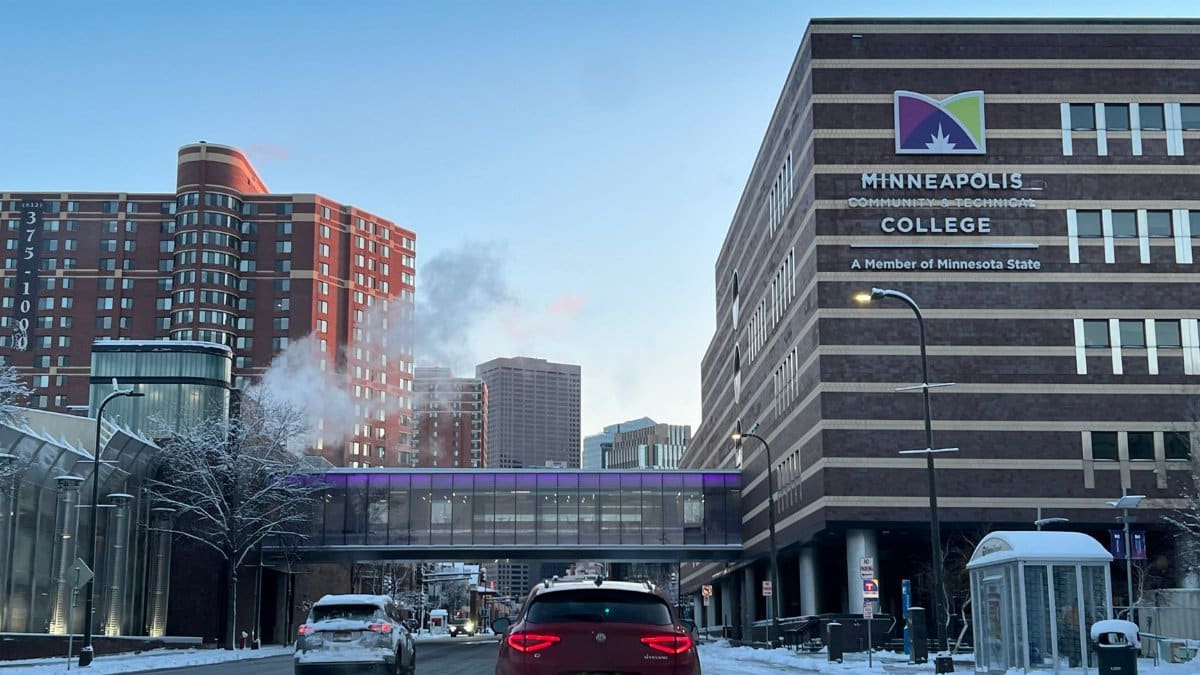
In the predawn quiet of a recent morning, neighborhoods across Minneapolis confronted an unsettling wave of destruction as car windows shattered one after another in rapid succession. Residents discovered their vehicles marked by broken glass and missing items, with police later confirming damage to at least 87 cars in that single sweep. The pattern quickly earned the label Minneapolis smash-and-grab among locals and officials alike, pushing the broader city tally beyond 200 similar episodes in recent months. What began as isolated reports soon revealed a larger operation that tested both law enforcement resources and community patience. Observers noted the methodical nature of the acts, which struck multiple districts without clear warning.
Early Reports from Affected Neighborhoods
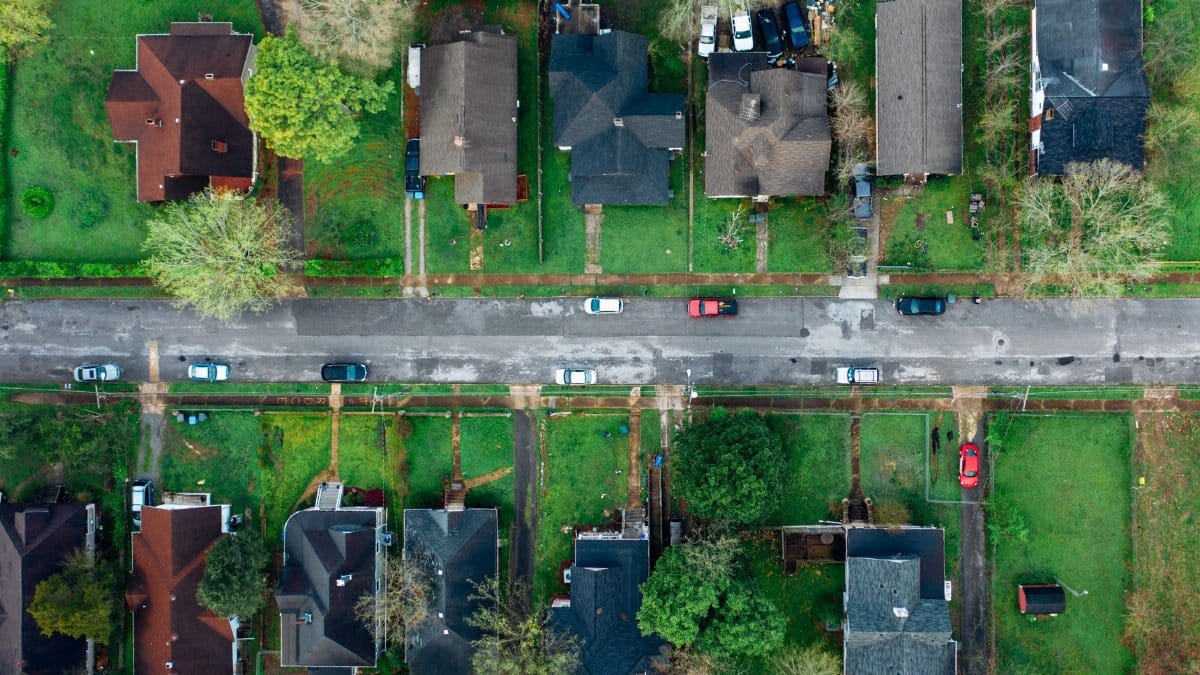
Initial calls to police came from several areas where owners found their cars exposed to the elements after the glass gave way. Officers arrived to document scenes of scattered belongings and empty compartments. Many drivers described a sense of violation that lingered well into the day as they arranged repairs. Community members gathered on sidewalks to compare notes and offer support to one another during the cleanup.
Patterns Observed by Local Authorities

Investigators identified similarities in timing and method across the incidents, suggesting a group effort rather than random acts. Surveillance footage captured individuals moving between vehicles in quick succession. This approach allowed the activity to cover wide ground before daylight interrupted the sequence. Departments in surrounding zones received alerts to watch for matching behaviors in their own jurisdictions.
Impact on Daily Routines for Residents

Vehicle owners faced immediate hurdles in reaching workplaces and schools without reliable transportation. Temporary fixes such as plastic coverings became common sights along residential blocks. Some families pooled resources to share rides while awaiting insurance approvals or shop appointments. The disruption extended beyond material loss to affect schedules and peace of mind for weeks afterward.
Broader Citywide Trends in Property Incidents
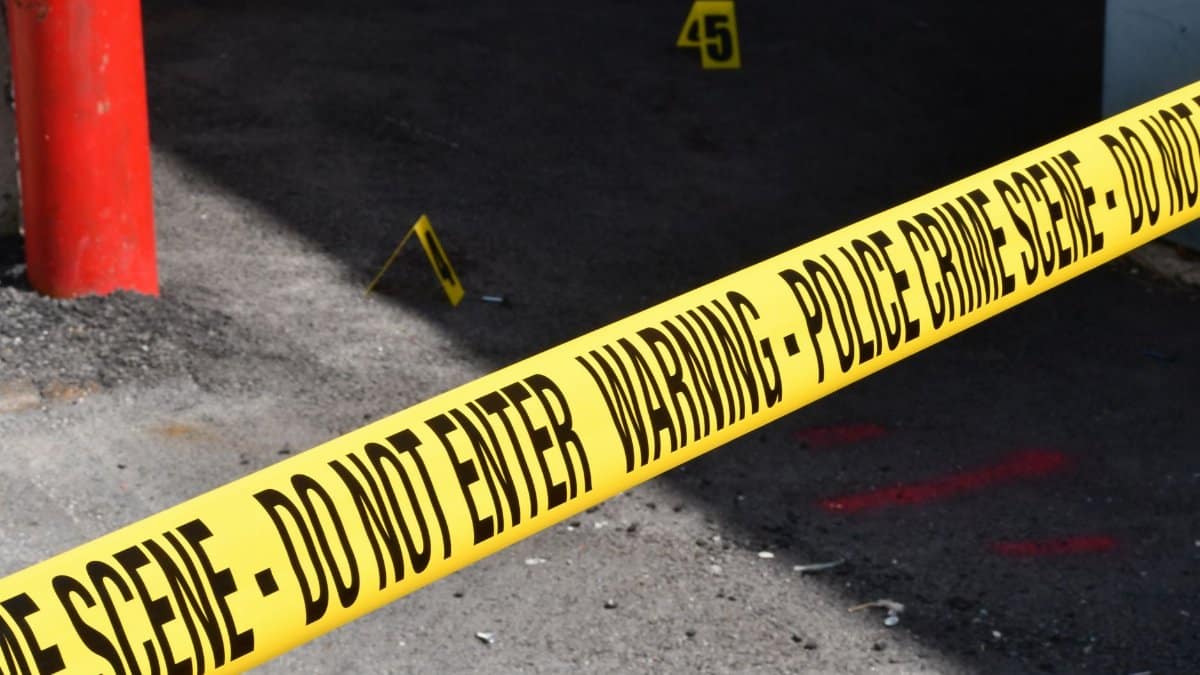
Data from recent years shows an uptick in vehicle related offenses during overnight hours. Minneapolis smash-and-grab episodes fit into this larger picture of opportunistic acts that target unsecured or lightly monitored areas. City records indicate that response times and recovery rates vary depending on available staffing and technology. Public safety meetings have addressed these figures as part of ongoing reviews.
Community Responses and Mutual Support
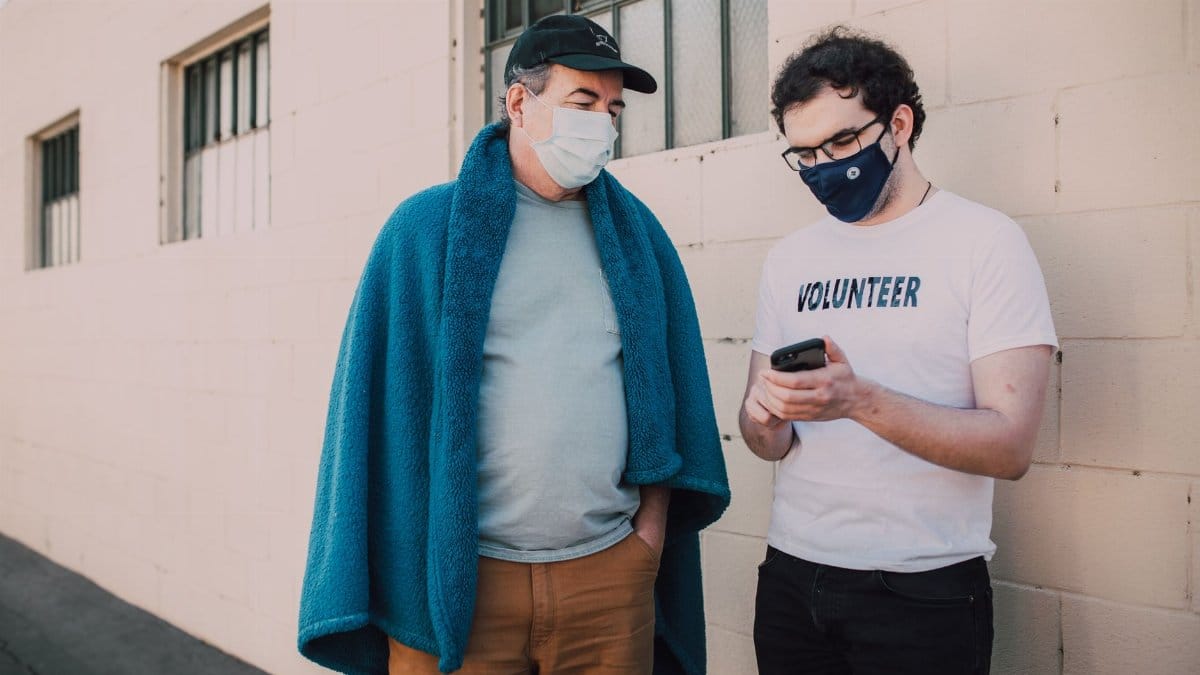
Local groups organized gatherings to discuss prevention steps and share practical advice on securing personal property. Volunteers distributed information on lighting options and neighborhood watch programs. These efforts fostered a renewed sense of connection among participants who previously kept to themselves. Spiritual leaders in several districts incorporated themes of resilience and collective care into weekly gatherings, framing the events as calls to strengthen social bonds.
Role of Faith Communities in Recovery
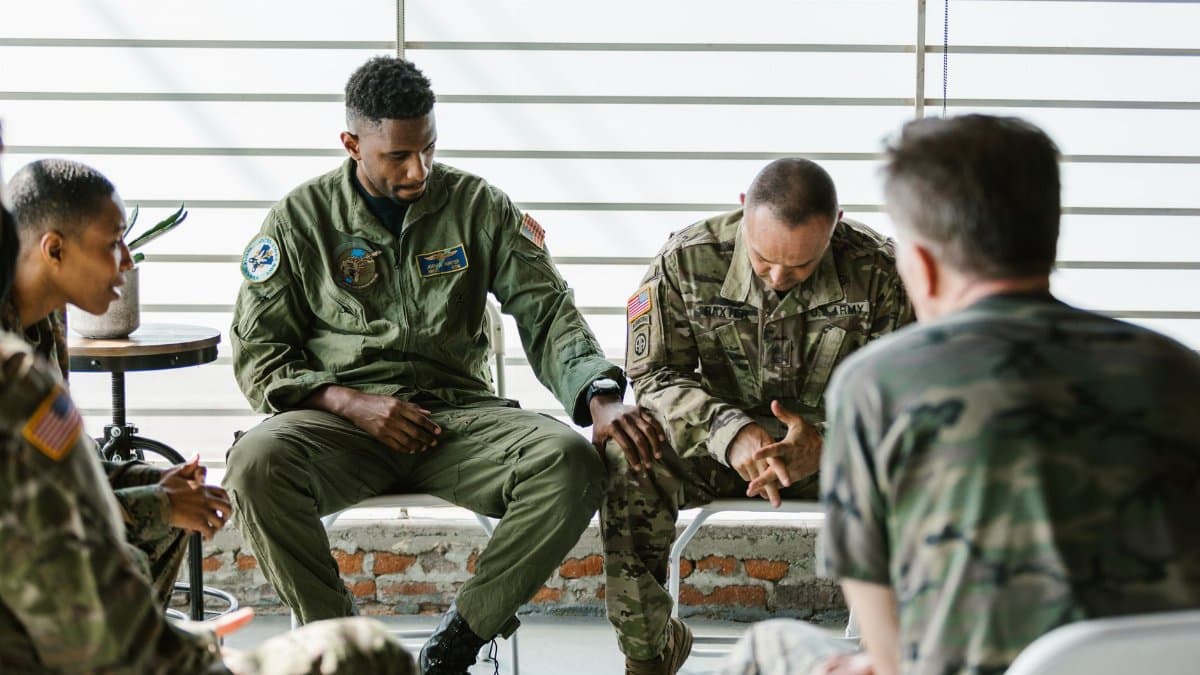
Churches and meditation centers opened their doors for informal sessions where affected individuals could voice concerns and seek encouragement. Such spaces emphasized reflection on shared values like stewardship and compassion amid uncertainty. Participants reported feeling less isolated after these exchanges. The gatherings also highlighted how moral frameworks can guide responses to adversity without assigning blame.
Lessons for Urban Safety Planning
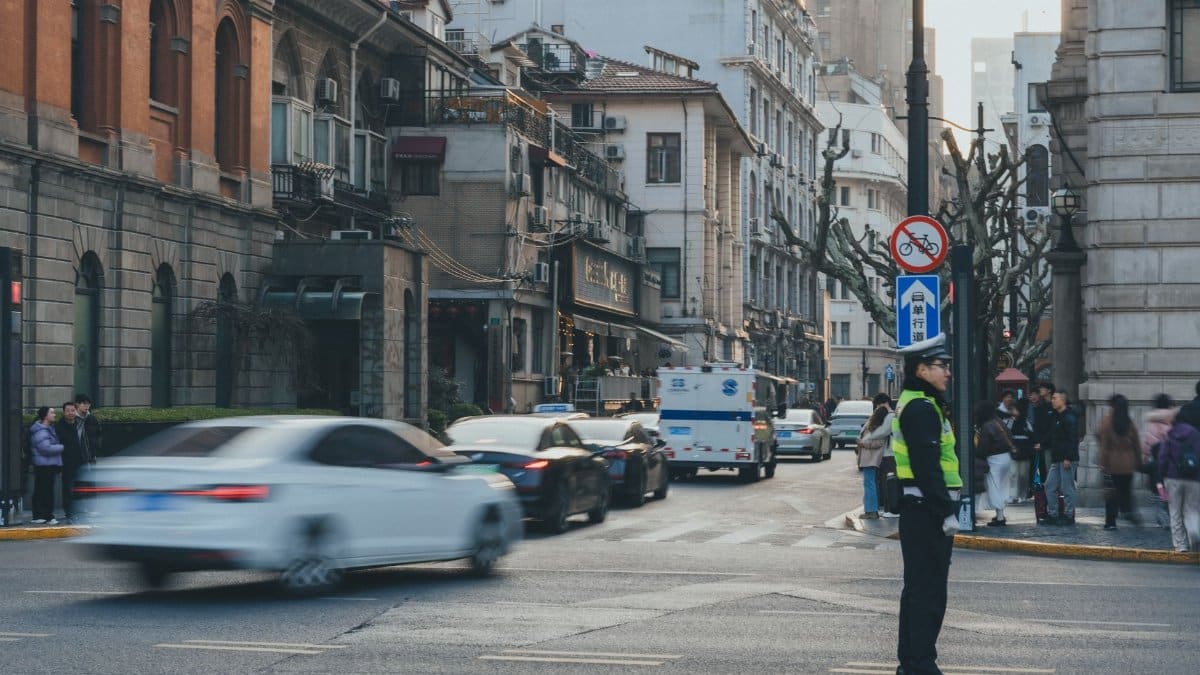
City planners have examined the Minneapolis smash-and-grab sequence to refine strategies around surveillance placement and patrol schedules. Discussions include better coordination between districts and investment in community education campaigns. Officials stress that no single measure offers complete protection, yet layered approaches show promise in similar settings elsewhere. Feedback from residents continues to shape these proposals.
Looking Ahead with Measured Optimism

While the immediate effects of the Minneapolis smash-and-grab linger for many, attention has turned toward sustained improvements in public spaces. Collaboration between civic groups, law enforcement, and spiritual networks points to a path that values both security and human connection. Continued dialogue may yield approaches that reduce future occurrences while supporting those already impacted. The episode serves as a reminder that collective vigilance paired with empathy offers durable strength in city life.