

The deportation of a former Venezuelan military figure from South Florida underscores persistent challenges in balancing immigration rules with accountability for past actions abroad. In a recent development an ICE Venezuelan official faced removal after a federal judge reviewed claims of his involvement in abusive practices back home. This outcome reflects broader patterns where enforcement agencies target individuals with disputed records while navigating court processes that can stretch over years. Residents in the area expressed mixed reactions with some viewing the action as a necessary step toward justice and others questioning the timing amid shifting policy priorities.
Origins Of The Accusations

Details emerged over time about the officials service in Venezuelas National Guard during periods of political unrest. Reports from human rights groups pointed to specific incidents where detainees reportedly endured harsh treatment. Court documents outlined how these claims formed the basis for denying asylum requests in the United States. Observers noted that such cases often hinge on evidence gathered from multiple countries and witness testimonies that prove difficult to verify fully.
Settlement In South Florida
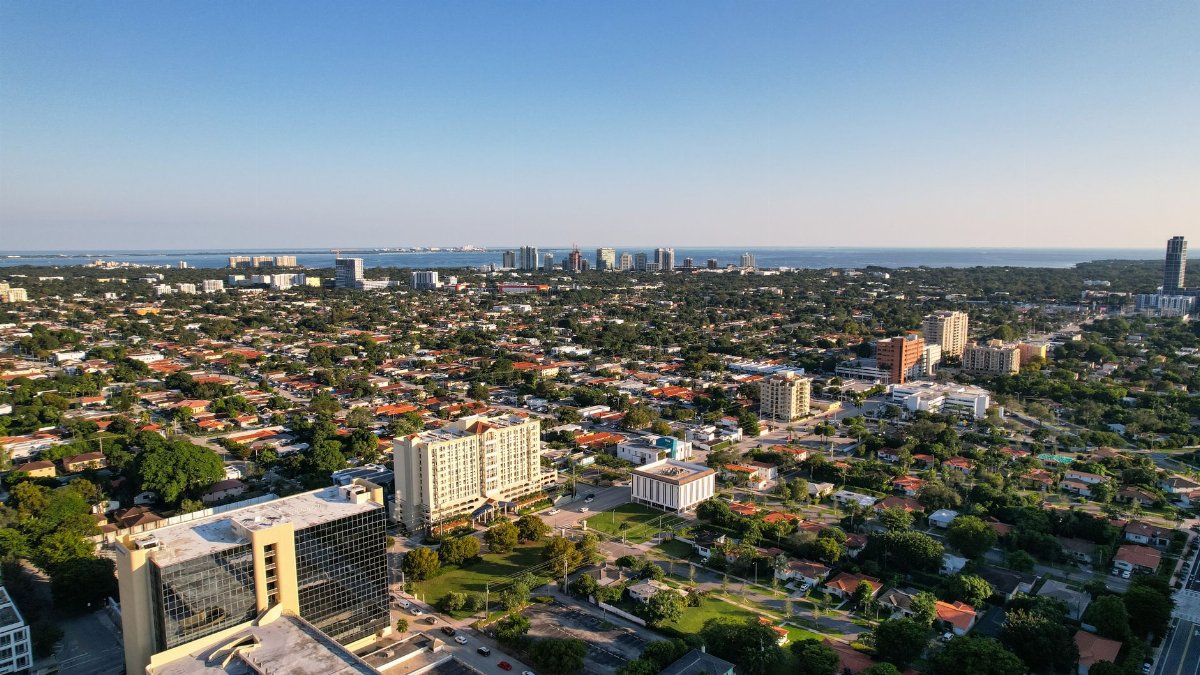
The individual established roots in the region after arriving through standard entry channels several years earlier. Local communities absorbed many arrivals from similar backgrounds leading to established networks that provide support during legal uncertainties. Daily life involved routine activities until federal agents executed the final order. Neighbors recalled a quiet presence that drew little attention before the matter gained public notice.
Courtroom Developments

Proceedings unfolded in immigration venues where judges weighed arguments from both sides. Defense teams presented counter evidence suggesting political motivations behind the original accusations. Prosecutors emphasized consistency in international records that aligned with known patterns of conduct. The final ruling cleared the path for departure without extended appeals in this instance.
Role Of Enforcement Agencies

Federal personnel coordinated the logistics of the removal ensuring compliance with all procedural requirements. An ICE Venezuelan official handled aspects of the coordination drawing on experience with similar international cases. This approach aligns with directives to prioritize those linked to serious prior conduct. Resources dedicated to such operations reflect ongoing commitments to enforce boundaries set by statute.
Reactions From Advocacy Circles

Groups focused on human rights welcomed the result as affirmation that past abuses carry consequences even after relocation. Others raised concerns about due process standards applied unevenly across nationalities. Discussions in public forums highlighted the tension between national security interests and individual rights protections. These exchanges continue as more cases surface in coming months.
Broader Immigration Context
Policy frameworks in recent administrations have emphasized scrutiny for applicants from nations with documented governance issues. Statistics from relevant agencies show increased attention to military and police backgrounds in review processes. South Florida serves as a focal point due to demographic concentrations that facilitate both integration and monitoring. Adjustments in enforcement tactics respond to court precedents and legislative signals.
Future Implications For Similar Cases

Analysts anticipate additional actions targeting figures with comparable profiles as records become more accessible through diplomatic channels. Legal experts advise potential applicants to prepare thorough documentation early in the process. Community organizations may expand counseling services to address fears arising from heightened visibility. The precedent set here could influence outcomes in parallel proceedings nationwide.