
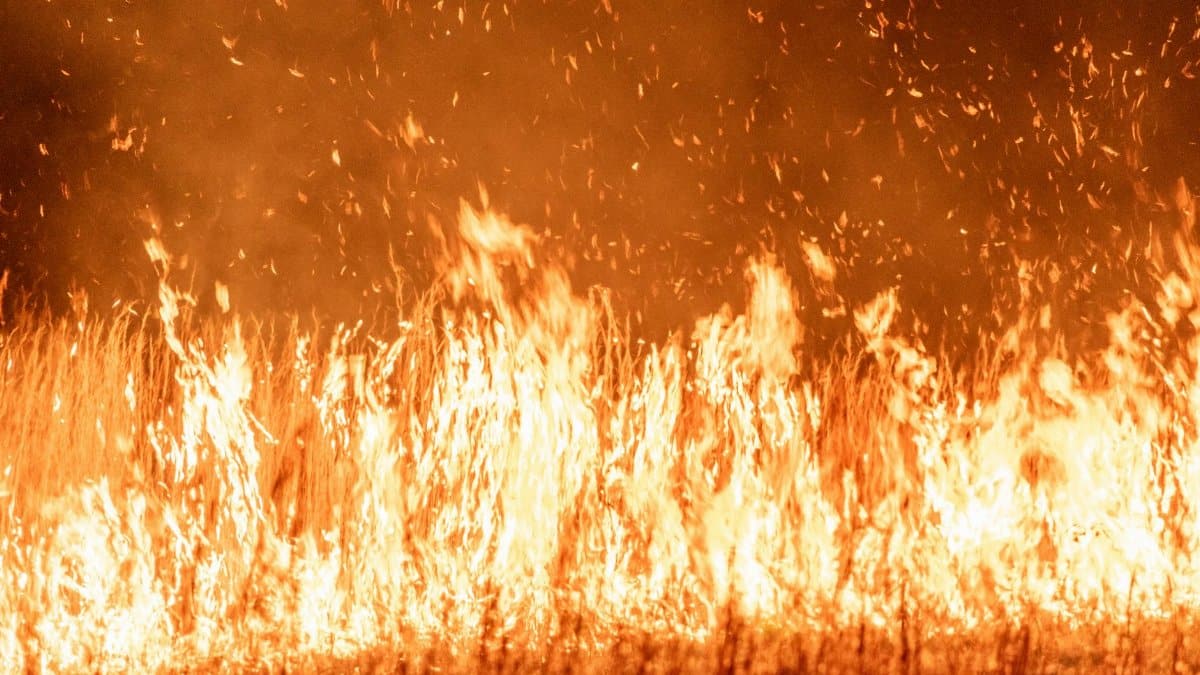
In the rugged coastal expanse of California a sudden outbreak of flames has upended daily routines for residents and travelers alike. Authorities reported that the Plaskett Fire Big Sur expanded to roughly forty acres within hours forcing evacuation orders along the vital coastal highway. With crews already committed to containing the larger Timber Fire nearby resources face heavy demand in a season marked by persistent dryness and gusty conditions. Observers note how such events stir questions about human connection to the land and the need for collective vigilance during times of uncertainty.
Evacuation Orders Affect Highway Travelers

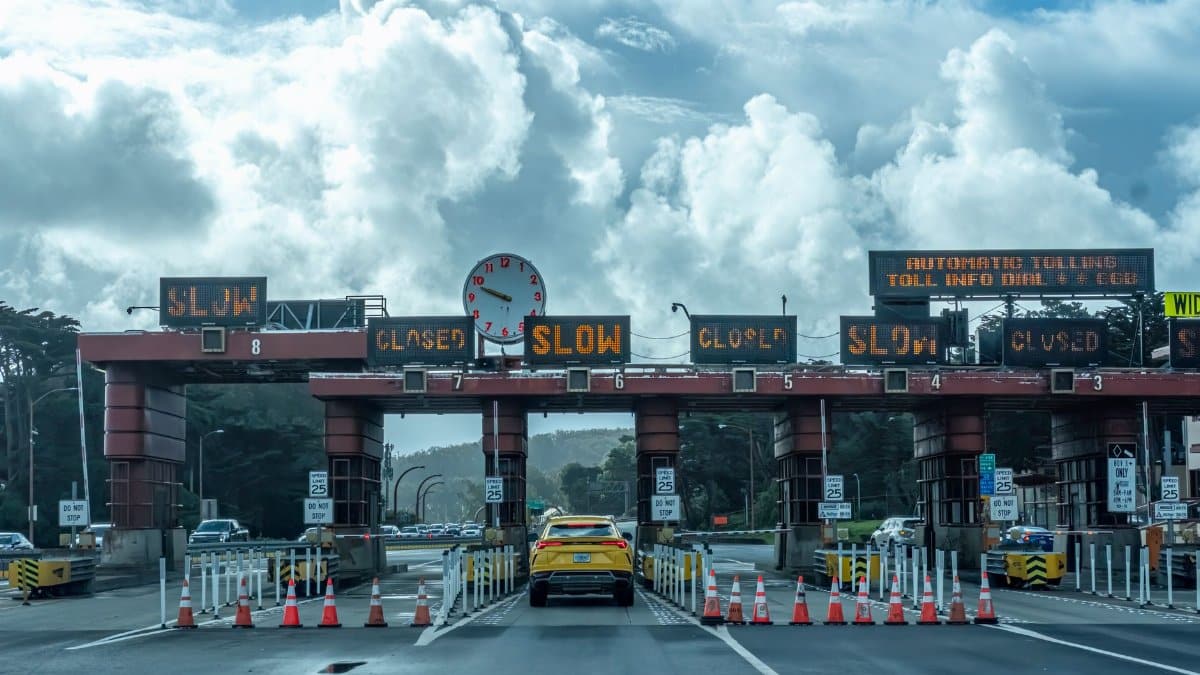
Emergency alerts went out swiftly as the new fire threatened access routes and nearby homes. Officials directed people to move inland to designated safe zones while monitoring wind patterns that could influence spread. Many described the sudden disruption as a reminder of how fragile routines can become when nature asserts its power.
Fire Crews Balance Multiple Blazes
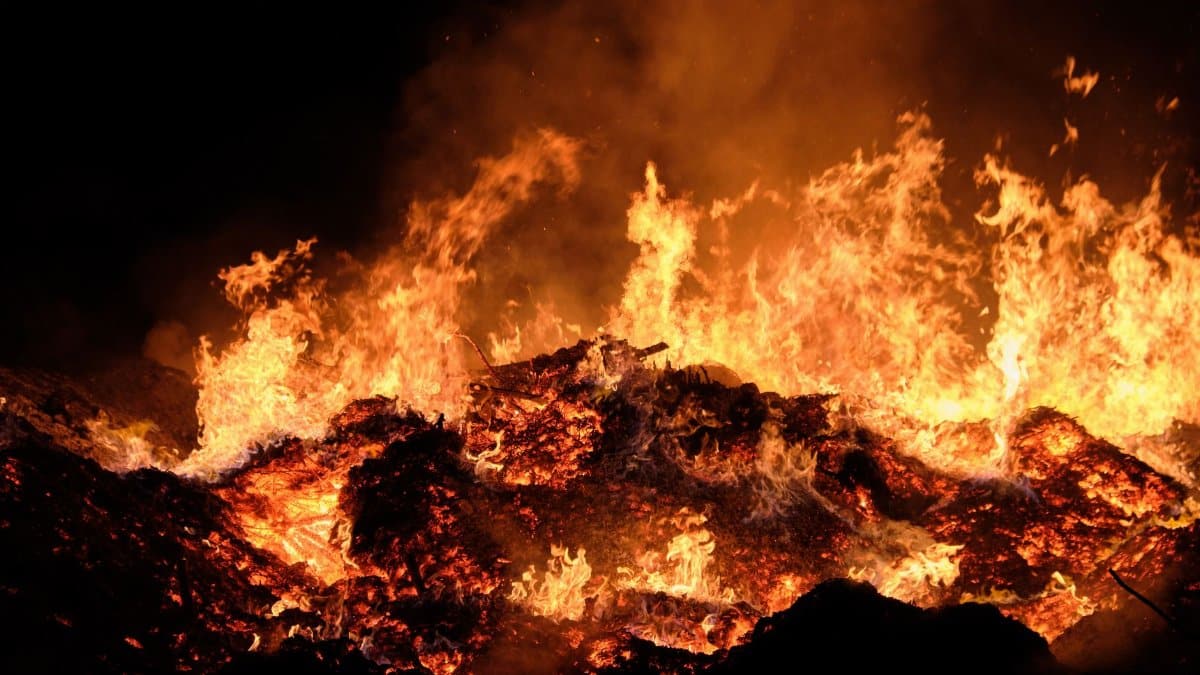
Teams from various agencies coordinated efforts to protect structures and natural areas. The simultaneous presence of two fires demanded careful allocation of equipment and personnel across difficult terrain. Local reports emphasized the dedication of those working long shifts to safeguard lives and property.
Weather Patterns Fuel Rapid Growth

Dry air combined with afternoon winds created ideal conditions for the flames to advance. Forecasters predicted continued risk through the coming days prompting heightened awareness among residents. Such patterns have become more familiar in recent seasons leading to discussions about preparation and adaptation.
Community Bonds Strengthen in Crisis

Neighbors shared resources and information through informal networks as formal aid arrived. Stories emerged of families offering shelter to those displaced highlighting a sense of shared humanity amid adversity. These moments often reveal deeper values of compassion and mutual aid.
Environmental Toll on Coastal Habitats
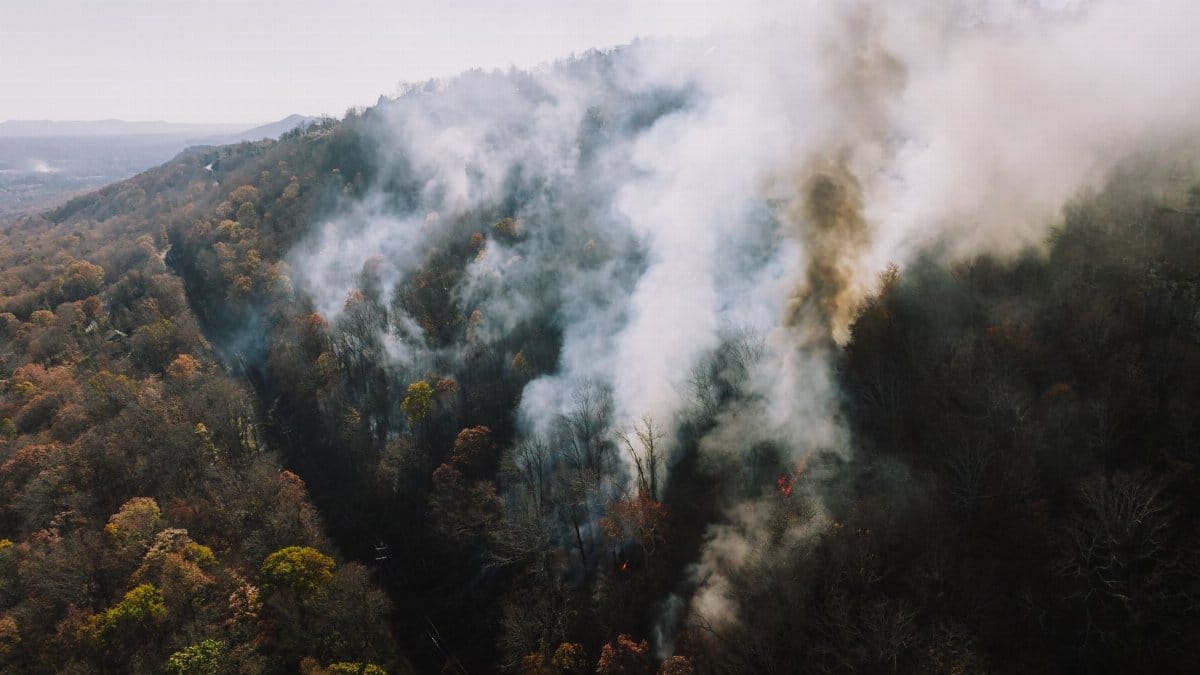
The fires touched sensitive ecosystems along the shoreline raising concerns about long term recovery for plants and wildlife. Experts pointed to the role of natural cycles in the landscape while stressing the importance of mindful stewardship. Restoration efforts may take years but they underscore resilience in the natural world.
Historical Lessons from Regional Fires
Past incidents in the same vicinity offer insights into effective response strategies. Records show how repeated events have shaped local policies on land management and public safety. Reflecting on these experiences can guide current actions toward greater harmony with the environment.
Spiritual Dimensions of Loss and Renewal

Many residents turned to personal faith or meditation practices to process the upheaval. The raw power of the flames prompted contemplation on impermanence and the cycles of destruction followed by regrowth. Such reflections often lead to renewed appreciation for lifes delicate balance.
Recovery Planning Begins Early

Even as containment continued officials outlined steps for returning families and rebuilding affected sites. Support programs focused on emotional wellbeing alongside material needs recognizing that healing extends beyond physical repairs. Community gatherings provided spaces for sharing stories and fostering hope.
Broader Implications for Coastal Living

The incident adds to ongoing conversations about sustainable development in fire prone regions. Advocates call for thoughtful policies that respect both human needs and ecological limits. In this way challenges become opportunities for wiser approaches to shared spaces.