

In recent years young people across California have confronted mounting barriers to higher education as federal actions create ripple effects far from Washington. State level support once offered a pathway forward yet many now question whether that promise can endure amid heightened enforcement and the end of key programs. The California Dream Act students embody this tension as they navigate aid that remains available on paper while real world enrollment slips.
State Aid Persists Amid National Shifts

California continues to allocate resources through its Dream Act framework even as federal changes limit options for work authorization and legal protections. Officials report that funding streams for tuition assistance have not been cut at the state level yet demand has softened noticeably in recent cycles.
Enrollment Numbers Reveal Quiet Decline

Community college districts and university campuses alike show reduced applications from eligible undocumented applicants over the past two years. Administrators attribute part of the drop to concerns over visibility and potential encounters with immigration authorities rather than any formal policy reversal at the state capitol.
Work Permit Uncertainty Clouds Futures

Without renewed federal pathways many graduates find themselves holding degrees that lead to limited job prospects. Employers often require documentation that these individuals cannot supply leaving talent underutilized in fields from healthcare to technology.
Campus Support Networks Adapt to New Realities

University counselors have expanded mental health services and legal referral programs in response to rising anxiety levels among affected students. These efforts focus on immediate needs such as safe housing information and financial planning while avoiding any actions that could draw external scrutiny.
Economic Contributions Hang in Balance

Analysts note that reduced college completion rates among this population could slow growth in key sectors where labor shortages already exist. Long term projections suggest fewer tax contributions and diminished innovation if current trends continue unchecked.
Family Decisions Reflect Heightened Caution

Parents who once encouraged higher education now weigh risks more carefully sometimes steering children toward vocational training or direct workforce entry. These choices stem from practical fears rather than diminished aspirations for advancement.
Legislative Responses Remain Fragmented
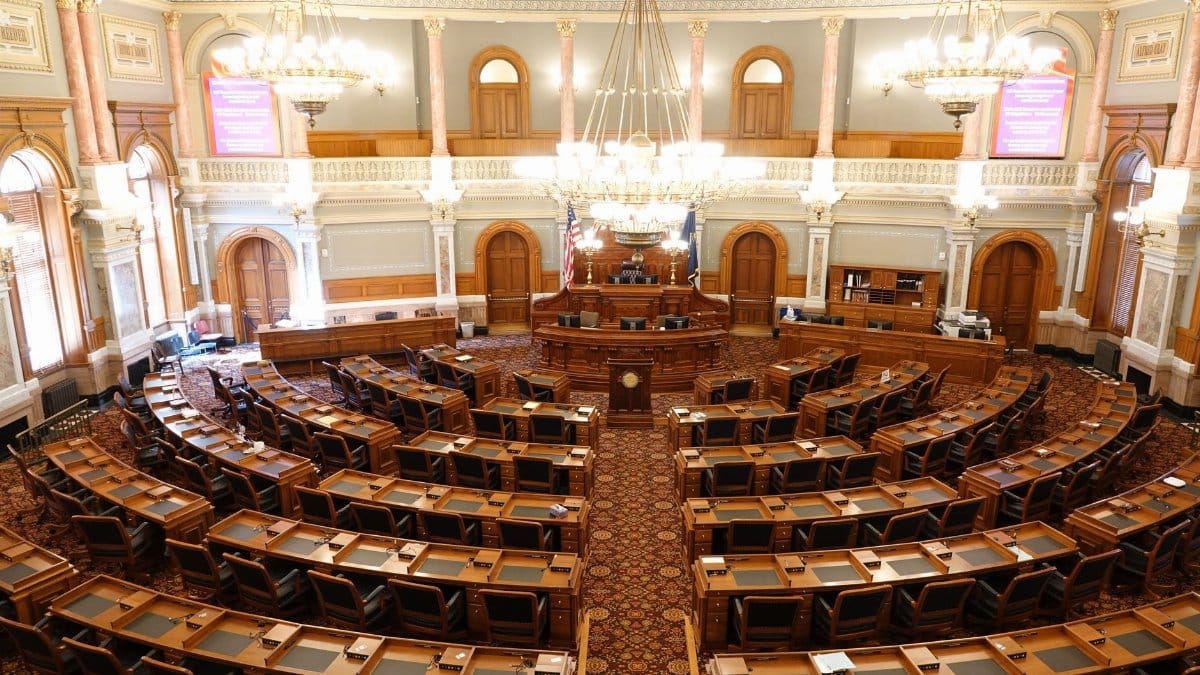
State lawmakers have introduced measures to bolster in state protections yet progress moves slowly through committees. Advocates push for expanded outreach while acknowledging that broader federal reforms would carry greater impact if they ever materialize.
Community Organizations Fill Emerging Gaps

Local groups have stepped up with scholarship drives and mentorship pairings to sustain momentum for those still pursuing degrees. Their work emphasizes continuity and peer connection without relying on federal cooperation.
Student Voices Express Lingering Frustration

Interviews with current enrollees highlight a sense of stalled progress as peers who once shared classrooms now weigh departure or alternative paths. Many describe a gradual erosion of the optimism that defined earlier cohorts under the California Dream Act students umbrella.
Broader Immigration Climate Shapes Daily Life

Everyday activities from driving to part time employment carry added layers of calculation for those without permanent status. This environment affects academic focus and social integration in ways that data alone cannot fully capture.
Looking Ahead Requires Realistic Assessment

Observers agree that state level tools alone cannot offset national policy voids. Sustained attention to both enrollment trends and graduate outcomes will determine whether California Dream Act students can regain ground or continue to drift from earlier expectations.