
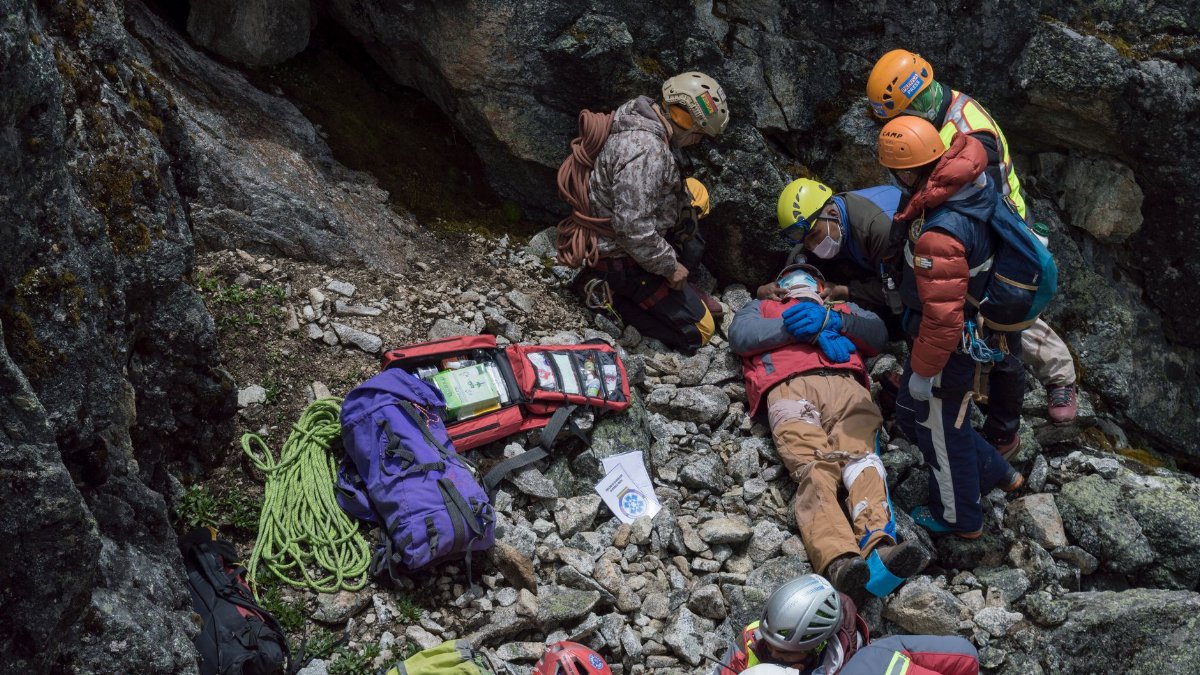
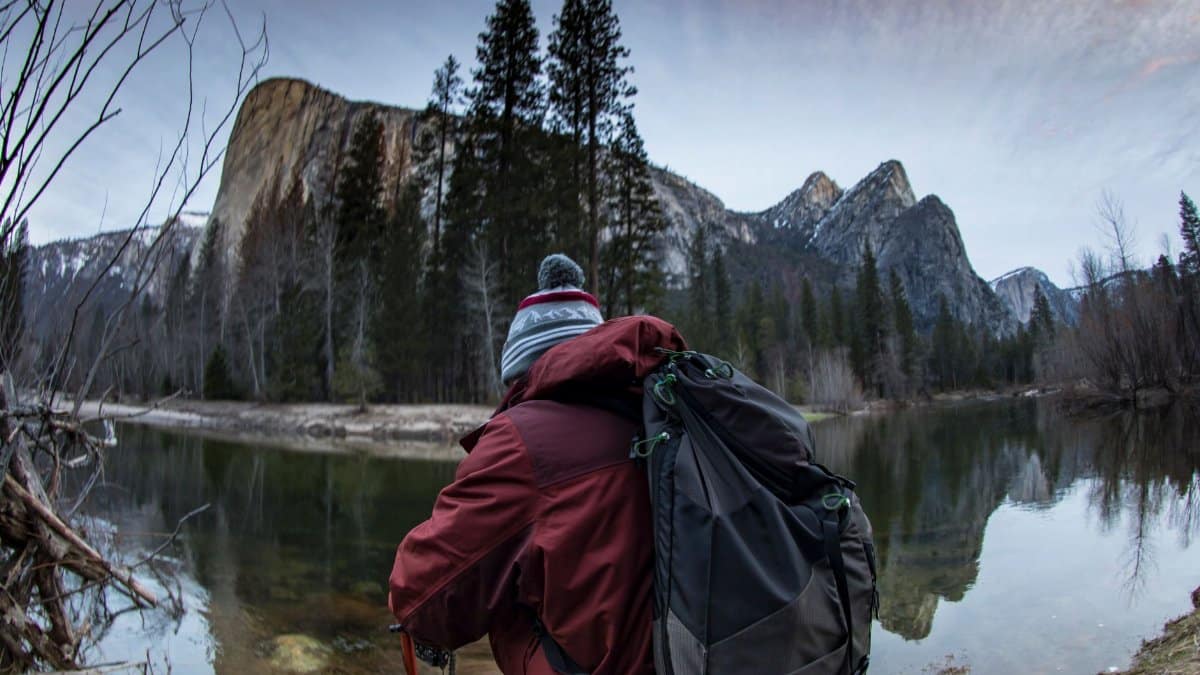
In the dimming glow of dusk high above the valley floor a climber clung to a narrow outcrop on Laurel Mountain his situation growing more urgent with each passing minute. Local teams mobilized quickly for what became a complex Sierra climber rescue involving ropes specialized gear and steady nerves under the cover of darkness. The operation highlighted both the raw power of the wilderness and the dedication of those who venture into it to bring others home safely. Witnesses later described the scene as tense yet marked by remarkable coordination among volunteers and professionals alike.
The Events Leading to the Crisis

The climber had set out earlier in the day seeking a challenging route on the eastern face of the peak. Conditions appeared favorable at first with clear skies and moderate temperatures. As afternoon progressed however loose rock and unexpected shifts in the terrain left him stranded on a six inch ledge far from any established trail. Communication with ground contacts became sporadic prompting an immediate call for assistance from nearby rangers.
Coordination Among Rescue Personnel
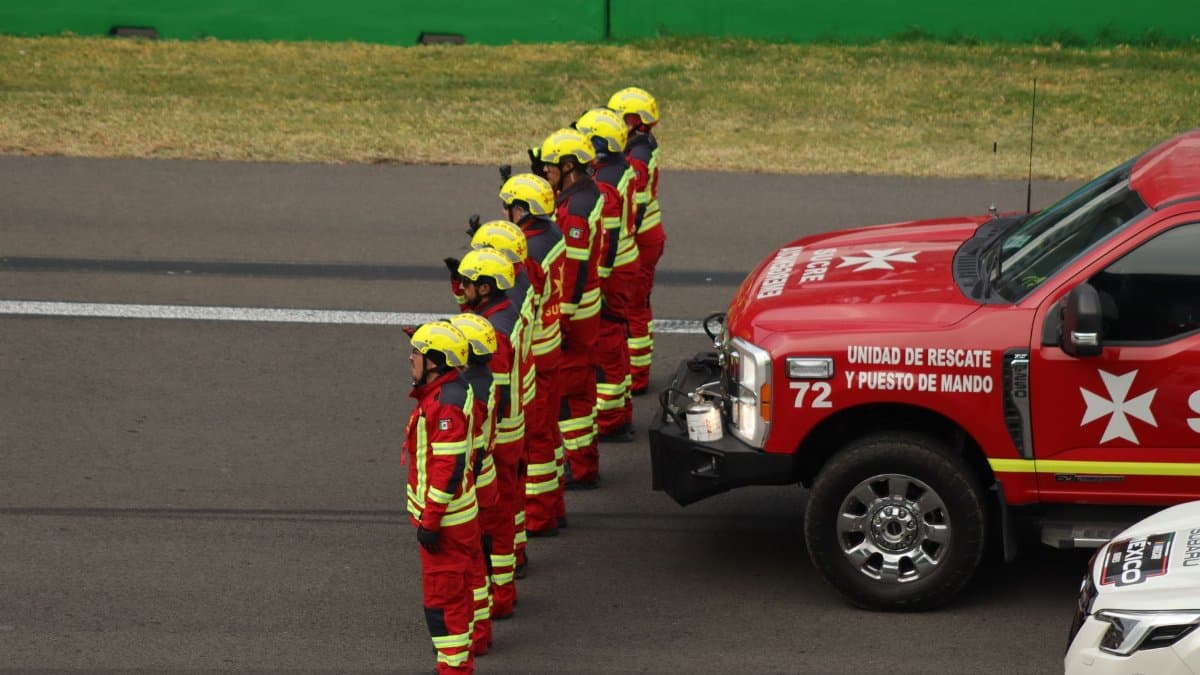
Search and rescue groups from several counties joined forces to reach the site before complete darkness fell. Helicopters circled overhead providing illumination while ground crews navigated steep slopes with headlamps and climbing equipment. Communication remained constant through radios allowing real time adjustments to the plan as weather patterns began to change slightly.
Technical Demands of the Operation
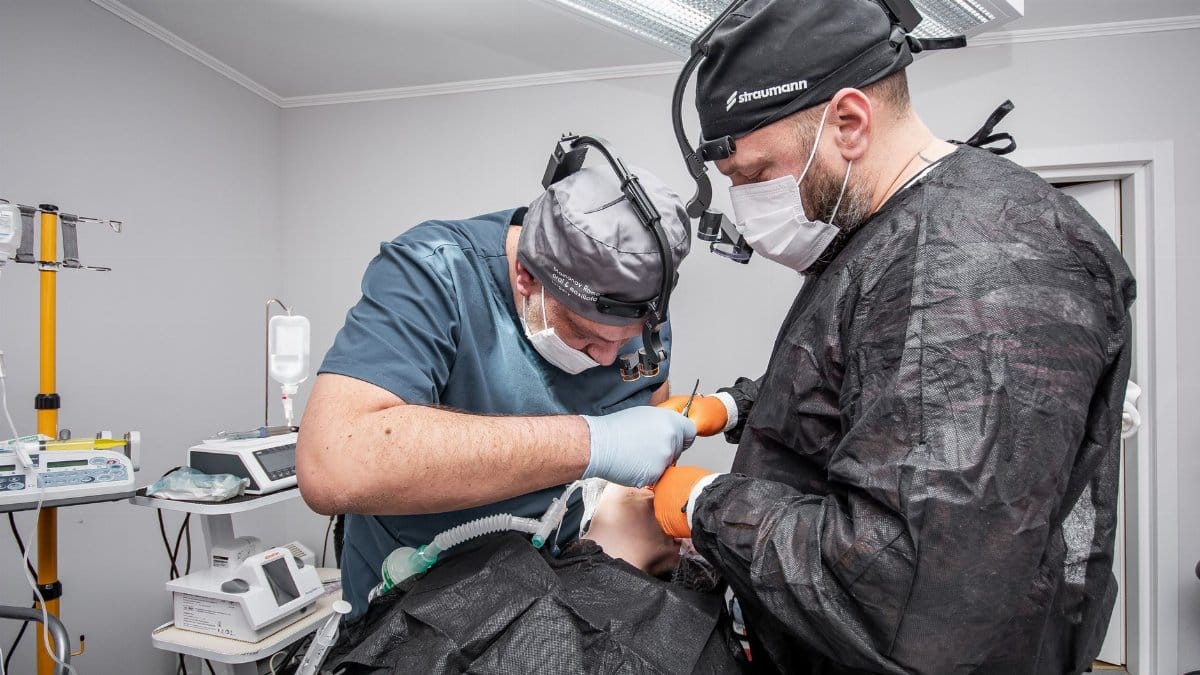
Extracting a person from such an exposed position required precise rope work and careful weight management to avoid further instability in the rock face. Team members descended in stages securing anchors at intervals to maintain safety throughout the process. The effort stretched into several hours yet every participant stayed focused on the shared goal of a successful outcome.
Environmental Factors in the High Sierra
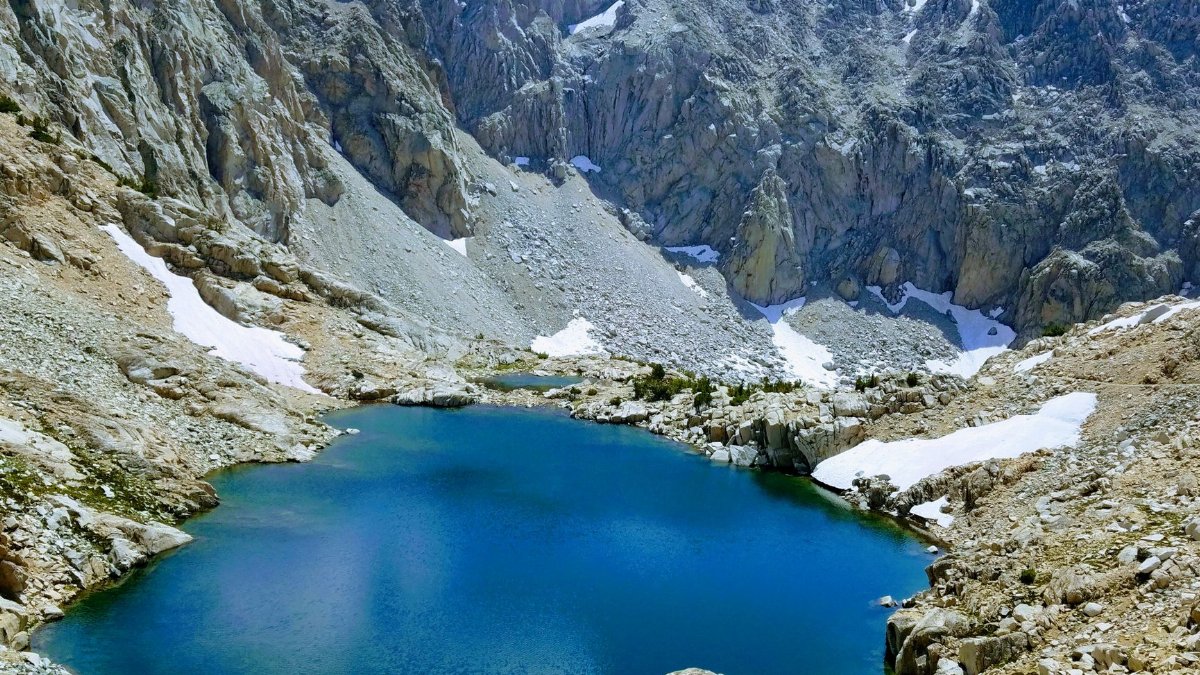
The Sierra Nevada range presents unique obstacles including rapid temperature drops after sunset and limited natural light once the sun disappears behind distant ridges. These elements added layers of difficulty to an already delicate situation. Teams prepared for potential wind gusts and colder air by carrying extra layers and backup lighting sources.
Personal Reflections from Those Involved
One veteran rescuer noted how each call like this reminds participants of the fine line between adventure and vulnerability in remote areas. Another spoke of the quiet satisfaction that comes from seeing a fellow outdoor enthusiast return to solid ground unharmed. Such experiences often reinforce a deeper respect for the mountains and the people who inhabit their edges.
Broader Implications for Outdoor Enthusiasts
Incidents of this nature encourage climbers to review their preparation routines including detailed route planning and reliable communication devices. Groups across the region have begun hosting workshops focused on self reliance and early recognition of changing conditions. The hope remains that awareness will reduce the frequency of similar emergencies in the future.
Community Support and Recovery

Following the rescue local organizations offered resources to the climber and his family as they processed the event. Conversations in nearby towns turned toward gratitude for the volunteers who routinely set aside their own schedules for such missions. This sense of collective responsibility continues to define the culture around mountain activities in the area.
Looking Ahead to Safer Practices

Authorities continue to study the details of the Sierra climber rescue in order to refine future responses. Recommendations include expanded training in low light scenarios and better integration of drone technology for initial assessments. These steps aim to preserve the spirit of exploration while minimizing unnecessary risks for all who venture into the high country.