
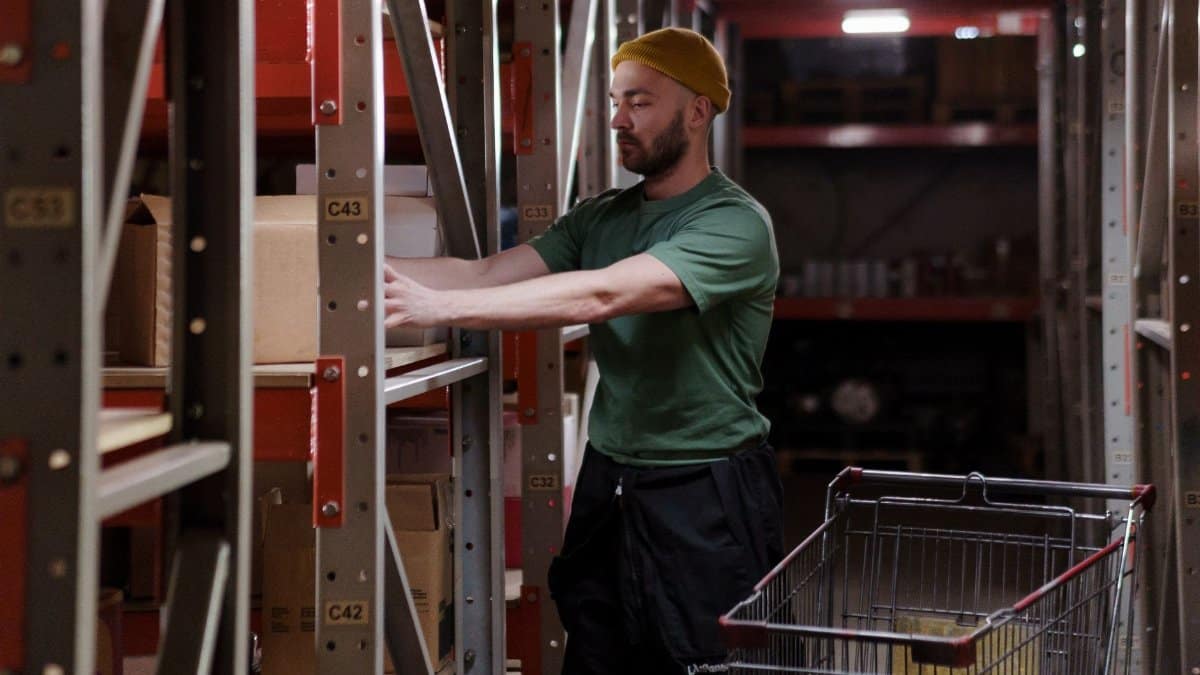
In recent months pantries across the state have faced unprecedented demand from families struggling with higher costs for everyday needs. Volunteers report lines forming earlier each week as more people seek help to fill basic gaps in their households. This surge comes at a time when support systems are being reevaluated at higher levels of government leaving local groups to find new ways to sustain operations. Minnesota food shelves federal cuts have added pressure to an already stretched network of providers who now look to neighbors and businesses for solutions that keep shelves stocked.
Community Groups Fill the Gap
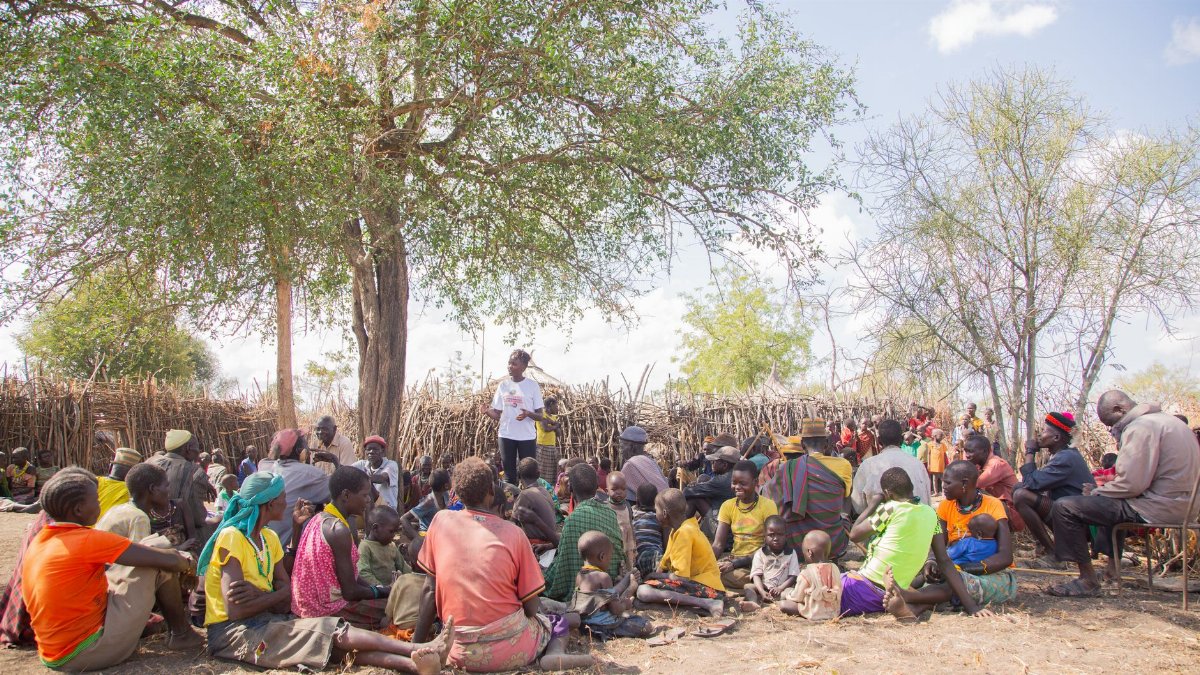
Local churches and civic clubs have organized extra collection drives to gather canned goods and fresh produce. These efforts draw on longstanding traditions of mutual aid that have sustained rural and urban areas alike during past economic shifts.
Record Visits Strain Resources

Staff at distribution centers note that visitor counts have climbed steadily over the past year reaching numbers never seen before in their logs. This increase reflects broader economic conditions affecting working households who once managed without outside assistance.
Statewide Networks Adapt Operations

Coordinators for regional food banks describe shifting delivery schedules and expanding storage capacity to handle larger volumes from private donors. Such changes allow continued service even as external funding streams change.
Business Contributions Grow Steadily

Companies in food processing and retail have pledged additional truckloads of surplus items to offset shortages. These partnerships build on earlier collaborations that proved effective in previous periods of high need.
Volunteer Roles Expand Quickly

More residents sign up for shifts sorting donations and packing boxes as awareness spreads through word of mouth and local announcements. Their time helps maintain steady output at sites that would otherwise face delays.
Policy Shifts Prompt Local Reviews

Officials at the county level examine how existing budgets can stretch further while planners consider modest tax measures to support emergency aid programs. These discussions take place in public meetings where residents share firsthand accounts.
Longterm Effects on Families

Households that rely on regular pantry visits describe adjustments to meal planning and reduced variety in weekly menus. Children in these homes sometimes notice differences during school lunch comparisons with peers.
Success Stories Emerge from Challenges

Some neighborhoods have formed small cooperatives that exchange garden harvests and share bulk purchases reducing overall costs for participants. These grassroots models offer glimpses of resilience amid larger uncertainties.
Future Planning Gains Attention

Analysts suggest that sustained community involvement could stabilize access to food even if federal formulas remain altered. Meetings now focus on building reserves and training new leaders to carry efforts forward.