
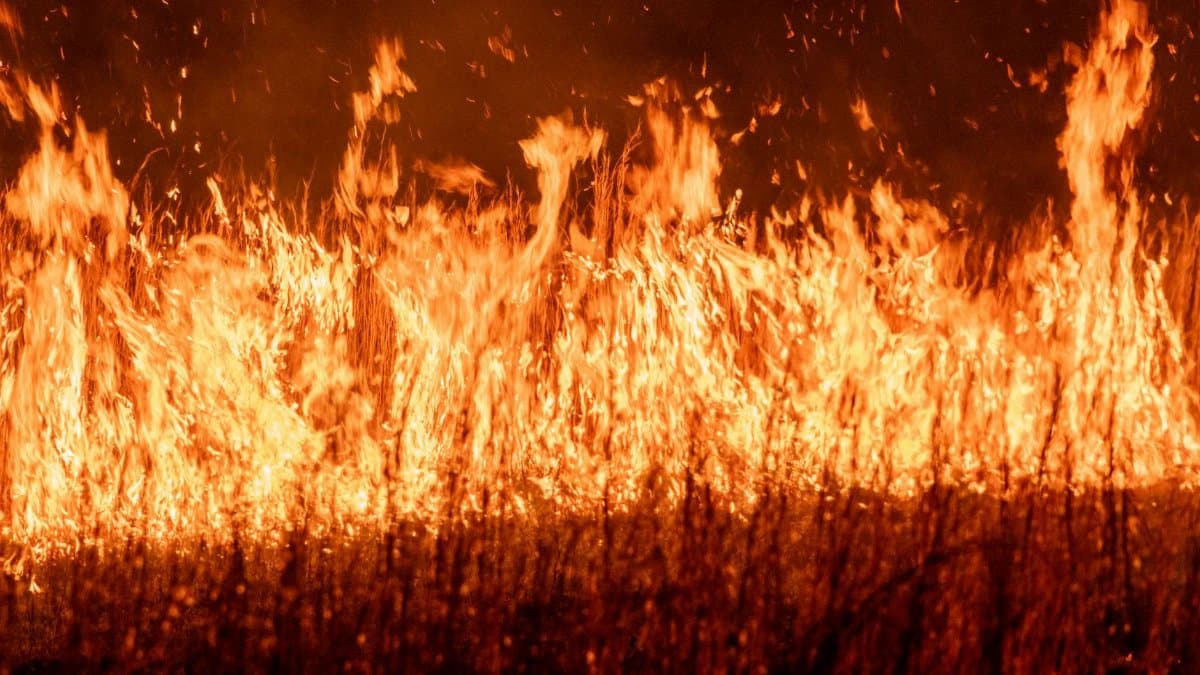
In late August many parts of Southern California experienced intense temperatures that tested daily routines and infrastructure. The Southern California heat wave brought highs near one hundred degrees in inland areas and pushed records in Los Angeles before relief arrived with cooler air over the weekend. People sought shade and adjusted their schedules to cope with the persistent warmth. This event highlighted how such conditions affect everything from energy use to outdoor activities. Observations from locals revealed a mix of resilience and caution as the heat lingered across neighborhoods from the coast to the valleys.
Community responses to rising temperatures
Residents turned to public cooling centers and shared tips on social media for staying comfortable without overusing electricity. Neighborhood groups organized water distribution in areas where asphalt radiated extra warmth into homes. Families altered meal plans to avoid heating kitchens during peak afternoon hours.
Energy demands and grid stability
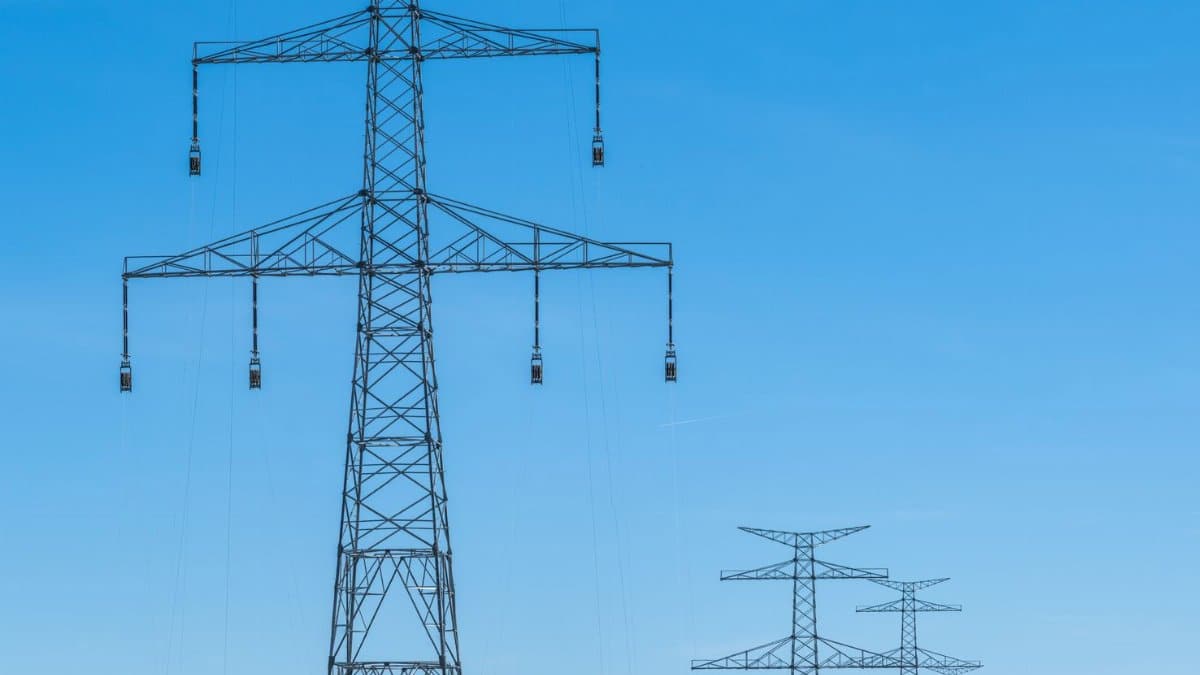
Utility providers reported sharp increases in power consumption as air conditioners ran nonstop. Officials monitored supply lines closely to prevent outages while encouraging conservation during evening peaks. Some businesses shifted operating hours to early morning slots when demand eased.
Health considerations for vulnerable groups

Medical centers advised extra checks on elderly patients and those with respiratory issues amid the sustained warmth. Pharmacies saw higher sales of hydration products and light clothing. Public health messages emphasized recognizing early signs of heat related fatigue before symptoms worsened.
Impacts on local agriculture and wildlife
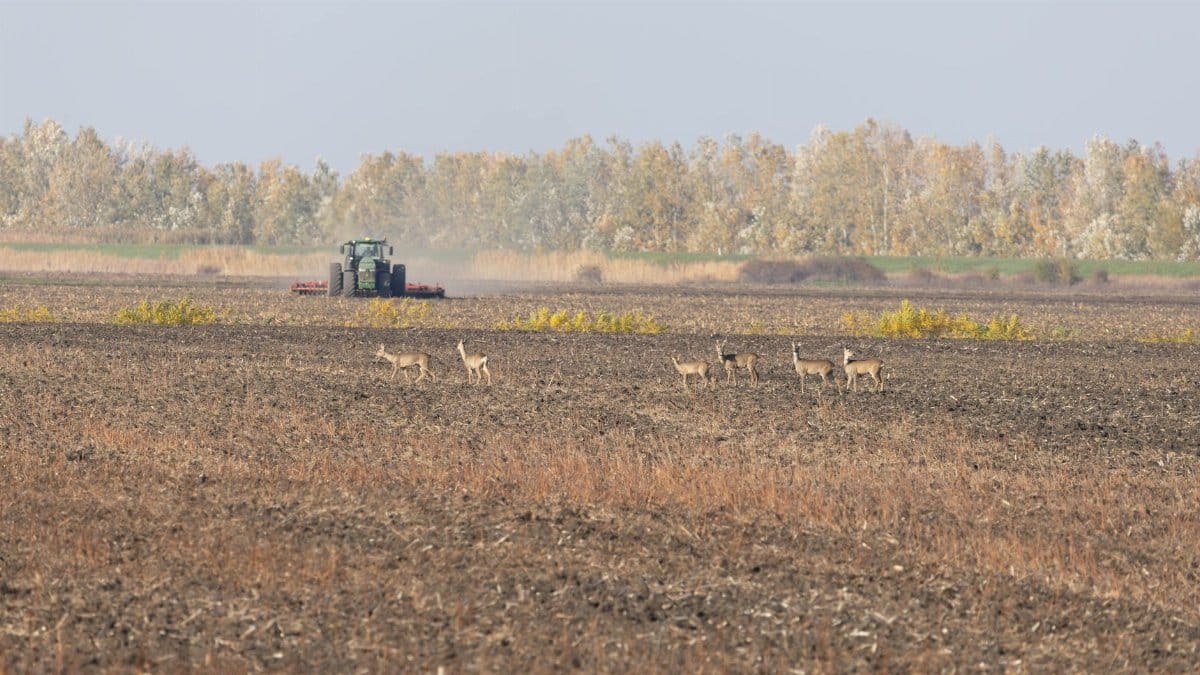
Farmers in inland valleys moved irrigation schedules to nighttime to reduce evaporation losses from crops. Animal shelters increased monitoring for pets left in vehicles or yards. Bird sanctuaries noted changes in feeding patterns as species sought water sources earlier in the day.
Transportation adjustments across the region
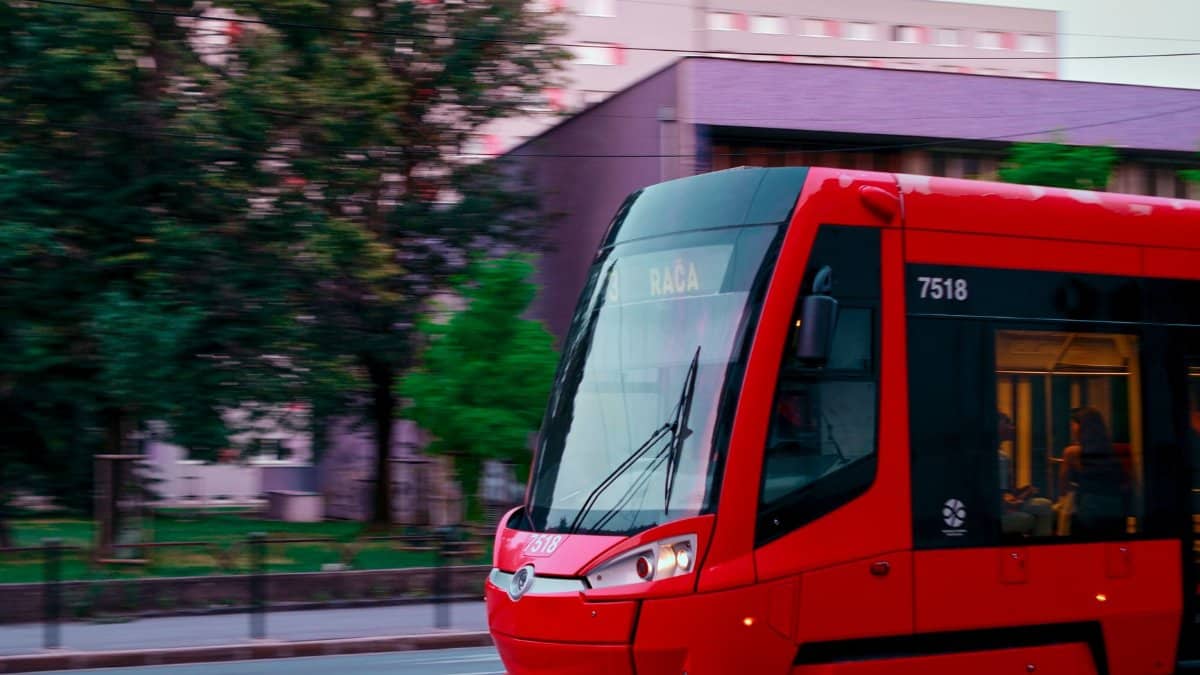
Road crews inspected pavement for softening under the sun while airports managed delays from expanded runways. Commuters chose public transit more often to limit time in personal vehicles. Delivery services extended timelines for perishable goods to avoid spoilage during midday runs.
Recreational shifts and public spaces
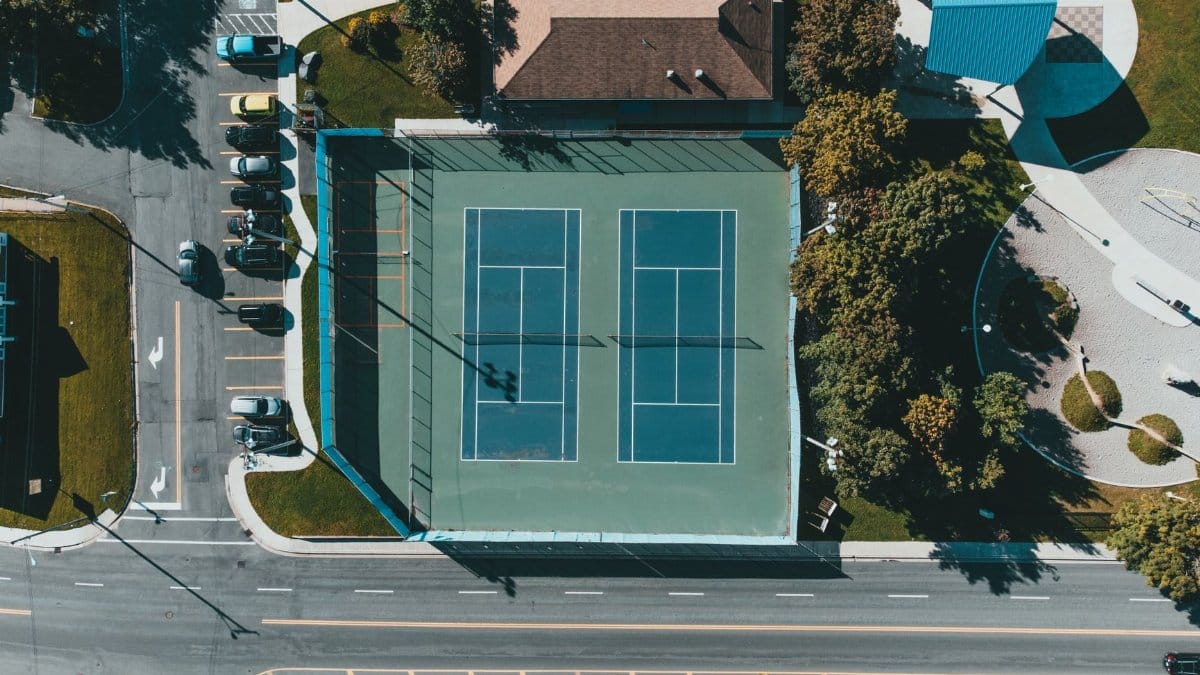
Parks saw fewer visitors during daylight yet hosted more evening gatherings once temperatures dropped slightly. Beaches remained popular but with added lifeguard alerts for dehydration risks. Museums and libraries extended hours to serve as informal gathering spots away from direct sun.
Looking ahead to seasonal patterns
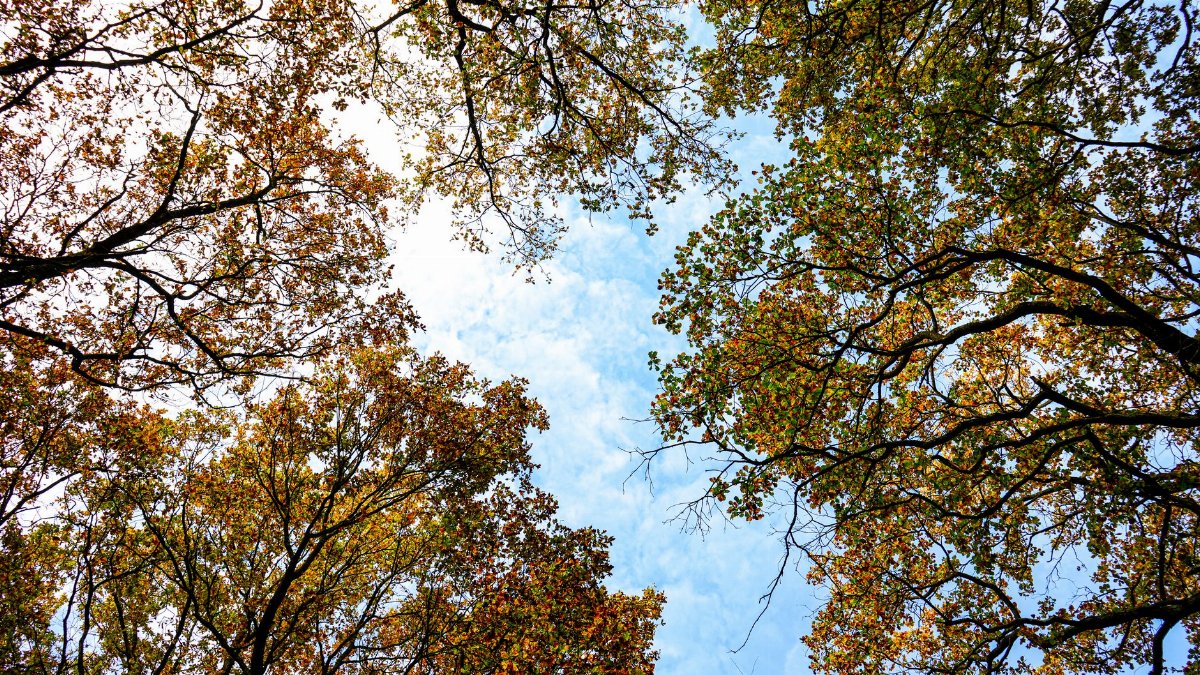
Meteorologists noted this episode fits into broader trends of extended warm periods in the region. Preparedness plans now include earlier warnings for similar events in coming years. Discussions among city planners focus on expanding shade structures and green corridors to ease future strain. Southern California heat wave patterns may influence long term urban design choices that prioritize passive cooling methods in new construction.