

In a quiet Dallas suburb residents took matters into their own hands by circulating a petition that forced elected leaders to reconsider a technology many had accepted without much debate. The action led to a unanimous council decision ending a contract for automated monitoring tools at key roads. This development drew attention because it showed how organized community voices can shift local policy on surveillance tools. Wylie Flock cameras became the center of discussion as people weighed safety gains against risks of constant data collection.
Origins of the Monitoring Initiative

The program began several years ago when city leaders sought ways to assist police in tracking vehicles linked to crimes. Officials argued that such systems could speed up investigations and deter thefts. Funding came through a mix of local budgets and grants aimed at modern crime fighting methods. Over time the setup expanded to cover more streets creating a network that captured images around the clock.
Privacy Worries Among Locals

Many residents expressed unease over how images and plate data might be stored or shared with outside agencies. Some feared the information could lead to unintended tracking of everyday movements without warrants. Community forums revealed stories of people who felt watched even during routine drives to work or school. These discussions grew louder as more households learned about the extent of the recording.
Petition Effort Gains Momentum

A small group of volunteers started gathering names at parks libraries and neighborhood events. They explained the potential downsides of prolonged surveillance and asked neighbors to sign. Within weeks the effort collected enough signatures to place the topic on the official agenda. Organizers noted that turnout at subsequent public hearings exceeded expectations with dozens speaking against continued use.
Council Sessions and Deliberations

During meetings council members listened to both supporters of the tools and those calling for an end. Police representatives described cases solved with help from the cameras while critics focused on civil liberty issues. After several rounds of testimony the group reached a consensus to terminate the agreement early. The vote reflected a desire to respond to constituent feedback rather than extend the existing setup.
Views from City Leaders

Elected officials described the choice as difficult yet necessary to maintain trust with voters. One member highlighted how the petition process demonstrated active civic participation. Another noted plans to explore alternative safety approaches that avoid broad data collection. All stressed that public safety remains a priority even as the contract concludes.
Effects on Police Operations
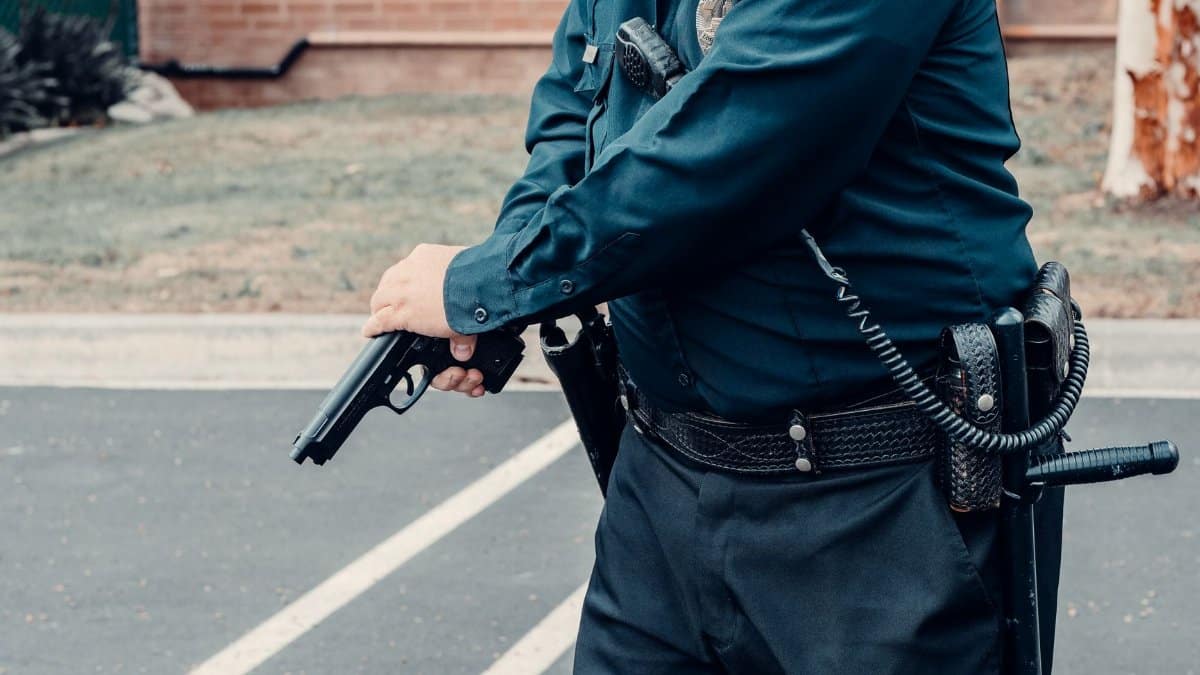
Law enforcement now faces adjustments in how they gather vehicle related evidence for ongoing cases. Detectives may rely more on traditional tips and witness accounts in the near term. Some officers expressed hope that new partnerships with state databases could fill gaps left by the removed system. Training sessions are already underway to adapt procedures accordingly.
Lessons for Nearby Towns

Other suburbs watching the events in Wylie are reviewing their own contracts for similar technology. Discussions at regional conferences now include questions about balancing enforcement needs with resident input. Several communities have scheduled hearings to assess public sentiment before renewing agreements. This ripple effect shows how one local decision can influence wider policy conversations.
Looking Ahead for Safety Strategies

City planners are considering options such as increased patrols or partnerships with private security firms. Emphasis is shifting toward community based programs that encourage reporting without automated monitoring. Leaders aim to rebuild confidence by involving residents in future technology evaluations. The episode serves as a reminder that public programs succeed best when they reflect shared values.