

In the heart of Pennsylvania communities where local traditions and shared values still guide daily life many residents are weighing their choices for the state’s top office with unusual care. With Election Day approaching the Shapiro Garrity poll shows Governor Josh Shapiro maintaining a sixteen point lead over challenger Stacy Garrity. This edge points to steady backing for the incumbent on matters that touch family security and regional identity.
Public Sentiment Across Key Regions

Voters in both urban centers and rural counties express consistent preferences according to recent surveys. Shapiro benefits from recognition built during his time in office while Garrity struggles to broaden her appeal beyond core supporters. The Shapiro Garrity poll captures these divides in clear terms showing how geography shapes perceptions of leadership effectiveness.
Leadership Qualities That Resonate
Many middle aged Pennsylvanians cite experience and steady decision making as priorities when evaluating candidates. Shapiro receives credit for handling recent state challenges with a measured approach that appeals to those seeking continuity. In contrast Garrity positions herself as an agent of change yet the numbers from the Shapiro Garrity poll indicate limited traction on that message so far.
Economic Concerns Driving Choices

Job growth and household costs remain central themes in conversations statewide. Shapiro highlights expansions in manufacturing and energy sectors while critics question the pace of progress. Data in the Shapiro Garrity poll links these economic views directly to voting intentions with the incumbent holding ground among those prioritizing stability over promises of rapid shifts.
Community Values and Moral Leadership
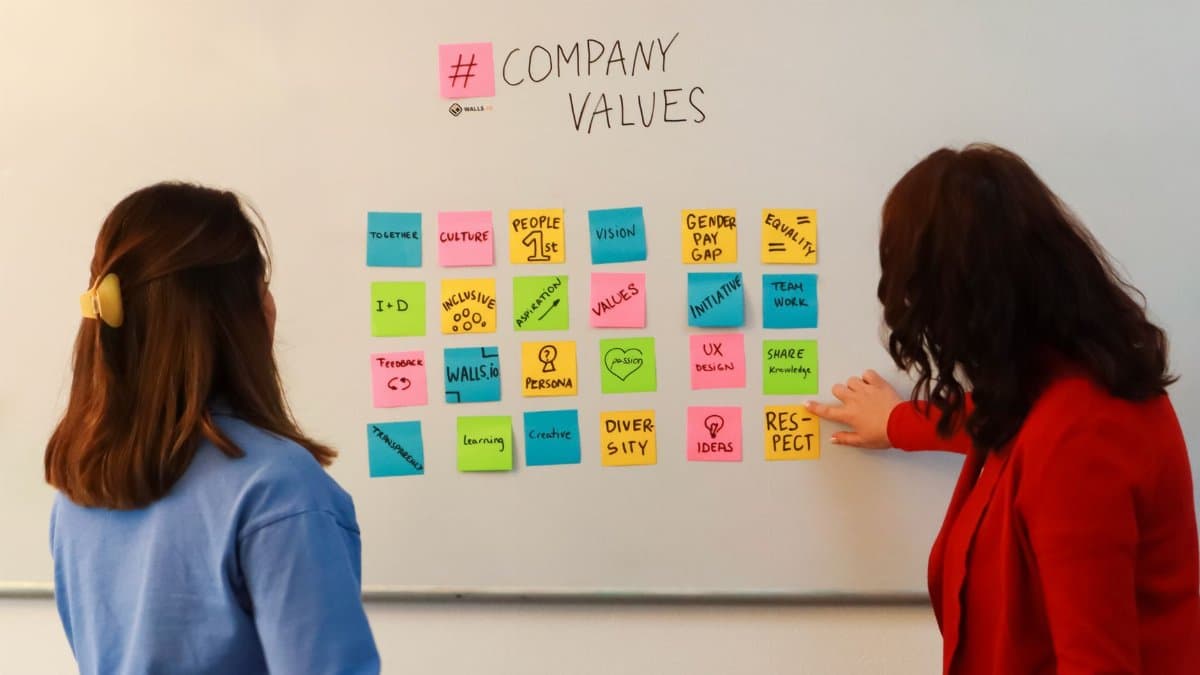
Trends in public opinion often reflect deeper reflections on what kind of guidance people want from elected officials. Shapiro draws support from groups focused on ethical governance and inclusive policies that echo longstanding community standards. The Shapiro Garrity poll suggests these intangible factors play a notable role in sustaining his advantage as voters connect personal beliefs to political options.
Media Coverage and Its Reach

Local outlets and national reports shape how the contest unfolds in living rooms across the state. Balanced presentation of records helps voters form views without undue influence from outside narratives. Coverage patterns align with findings in the Shapiro Garrity poll where awareness levels correlate with preference margins in several demographic slices.
Challenges for the Challenger

Garrity faces the task of energizing a broader coalition in the remaining weeks. Efforts to highlight differences on taxes and regulations have yet to close the gap shown in surveys. Observers note that the Shapiro Garrity poll underscores the difficulty of overcoming an established lead without major external events altering the dynamic.
Looking Ahead to Election Outcomes
Analysts project that current trends could influence not only the governor position but also down ballot races. High turnout in certain areas might reinforce existing patterns or introduce surprises if engagement rises sharply. The Shapiro Garrity poll serves as one snapshot in an evolving picture that will clarify only after ballots are cast.
Broader Implications for State Direction

Whatever the final tally the contest reveals ongoing conversations about Pennsylvania identity in a changing nation. Shapiro appears positioned to continue priorities around infrastructure and education while Garrity advocates alternative paths. Such divides mirror national discussions yet remain rooted in local realities that the latest polling helps illuminate.