
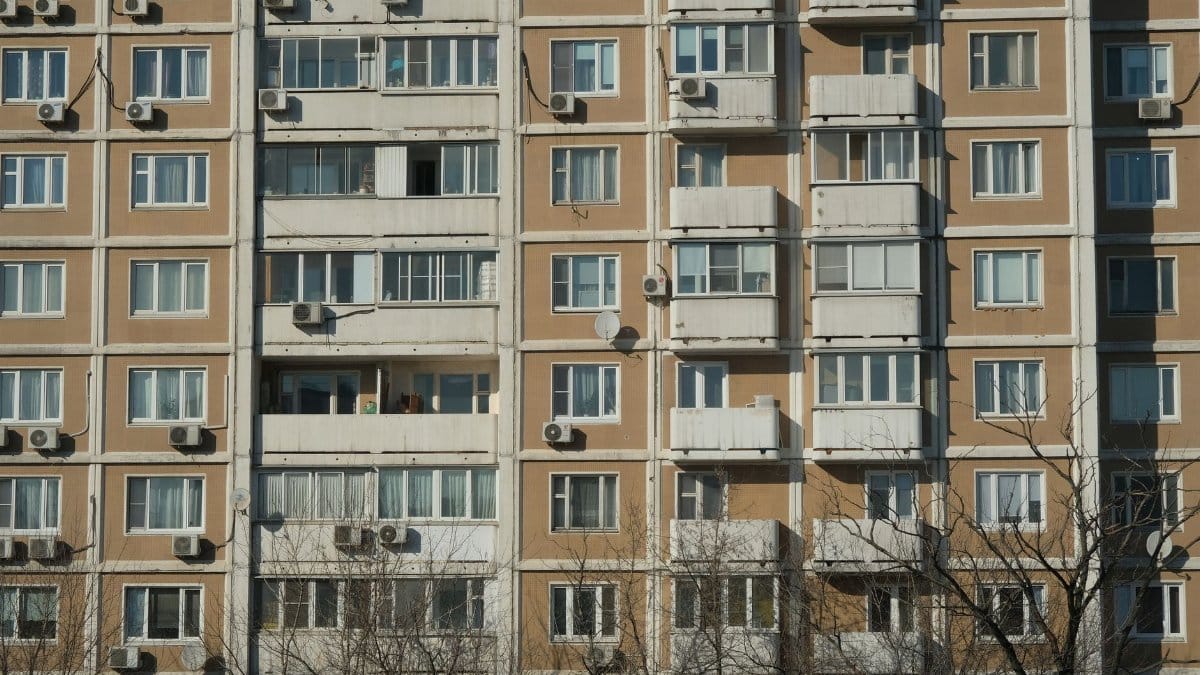
In periods of intense summer heat residents in urban areas face significant health risks without proper cooling systems. Recent census data points to thousands of homes in the county without such equipment highlighting social inequities. The findings come at a time when Dallas County air conditioning remains a critical need for vulnerable populations living downtown and in South Dallas.
Mapping Cooling Access Across Neighborhoods
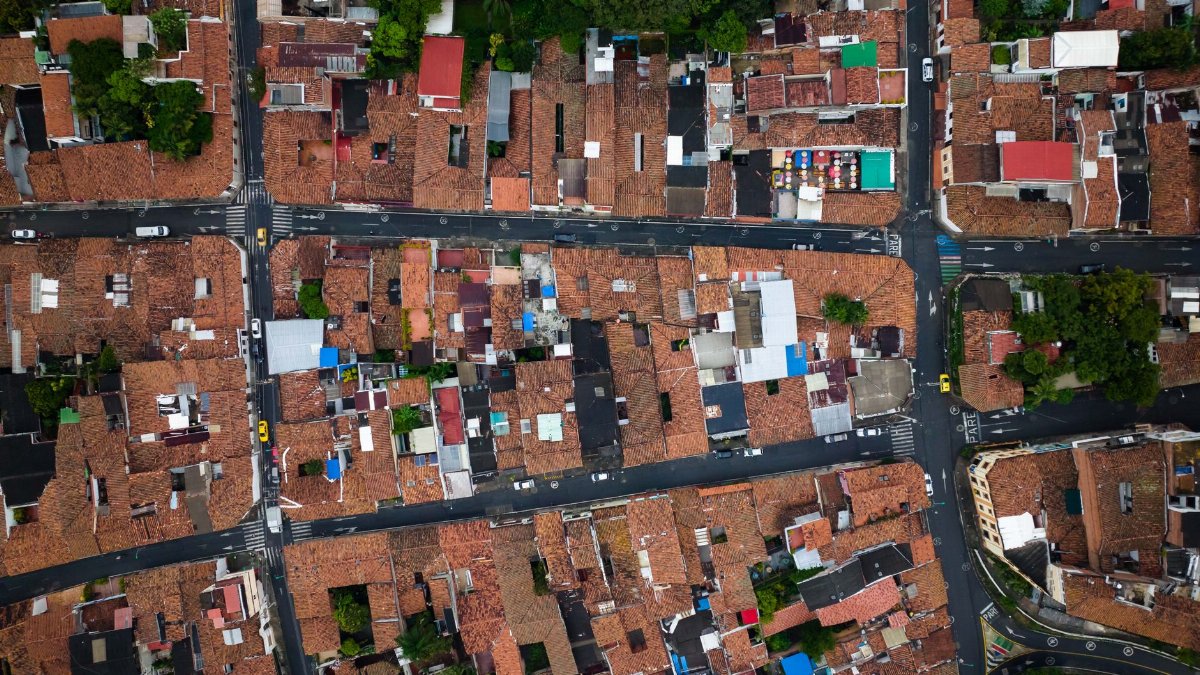
The analysis draws from census estimates showing nearly fourteen thousand households without cooling equipment. These patterns emerge clearly in central and southern parts of the county where older housing stock predominates. Local officials note that such gaps can worsen during extended heat waves.
Community Impacts in High Risk Zones
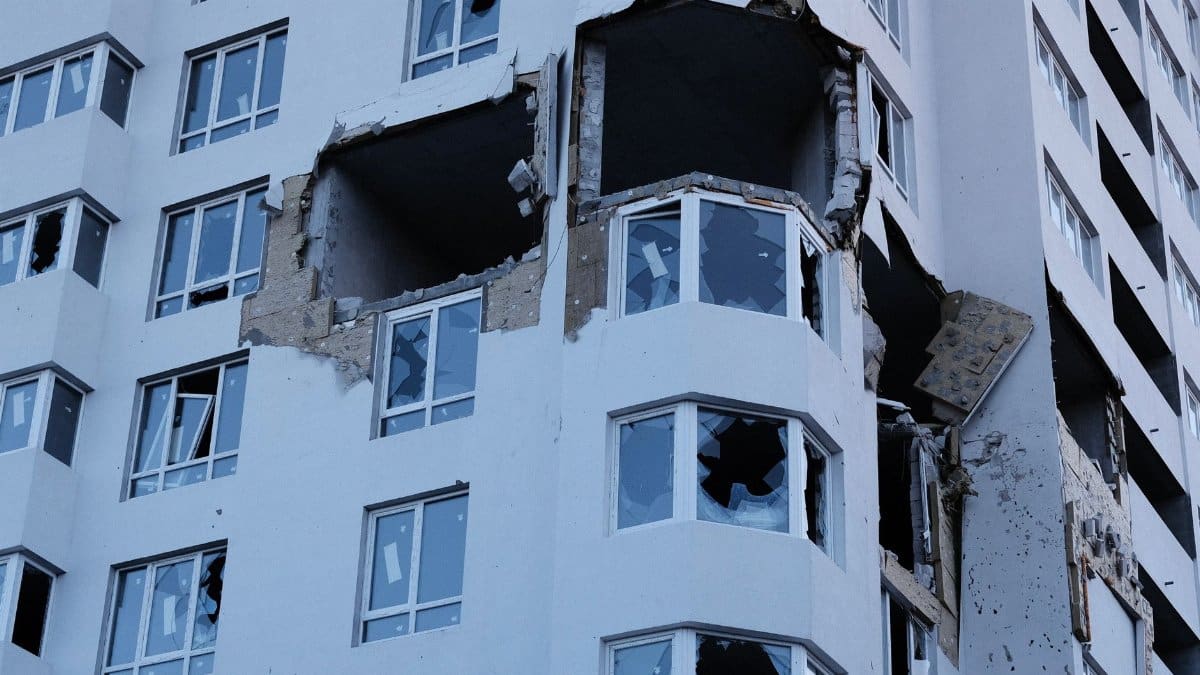
Families in affected areas often rely on temporary measures like fans or shared spaces to cope. This situation raises concerns about equity as heat related illnesses rise among the elderly and those with preexisting conditions. Community groups have begun outreach to identify needs.
Historical Context of Housing and Infrastructure

Many homes built decades ago lack modern updates for climate resilience. Over time urban development has concentrated in ways that leave some districts behind in basic amenities. Planners now examine how past decisions shape current vulnerabilities.
Public Health Considerations During Heat Waves

Medical experts emphasize that consistent access to cooling prevents serious complications from dehydration and heat exhaustion. Hospitals in the region report seasonal spikes in admissions tied to these issues. Prevention efforts focus on education and resource distribution.
Role of Local Government and Aid Programs

County initiatives aim to expand support through weatherization grants and emergency cooling centers. Partnerships with nonprofits help target resources to the most affected blocks. Funding remains a key factor in scaling these efforts effectively.
Broader Climate Trends Affecting the Region

Shifting weather patterns have brought more frequent stretches of extreme temperatures to North Texas. This trend amplifies the importance of reliable cooling for daily life and safety. Experts project continued pressure on infrastructure as conditions evolve.
Resident Stories from Underserved Areas

Individuals describe daily routines shaped by the search for relief from oppressive warmth. One longtime resident speaks of coordinating with neighbors to share limited resources during peak hours. Such accounts illustrate the human side of statistical findings.
Future Steps for Equitable Cooling Solutions
Advocates call for expanded investment in energy efficient upgrades across all districts. Data driven approaches can guide where Dallas County air conditioning programs deliver the greatest benefit. Sustained attention from policymakers will determine progress on these fronts.
Lessons from Similar Urban Challenges

Other cities facing comparable disparities have implemented targeted retrofits with measurable success. These examples offer models for adaptation suited to local conditions in the county. Collaboration across sectors proves essential for meaningful change.