

A recent development in Houston has brought renewed attention to questions of trust in end of life services. A local funeral home operator secured release after arranging for a funeral home bond following accusations that he forged a will and sought control over assets valued at more than two point two million dollars. The case has prompted conversations among families who rely on such professionals during vulnerable moments.
Origins of the Accusations
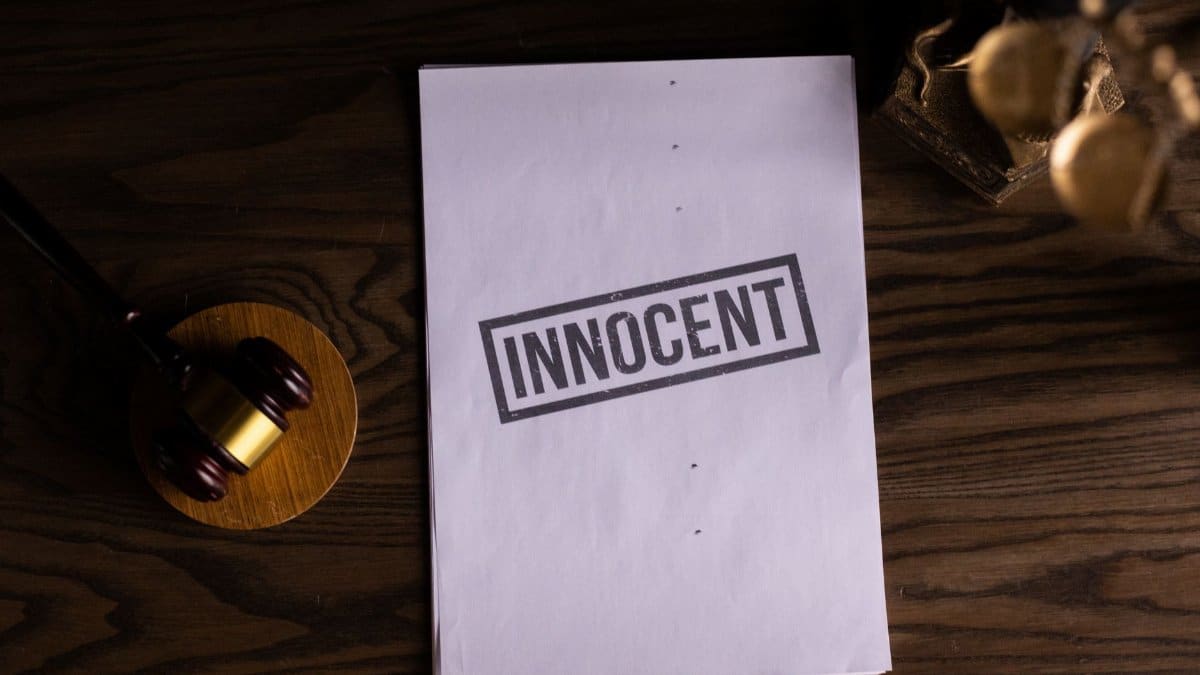
Reports indicate the charges stem from interactions with a client whose passing left an estate open to dispute. Prosecutors allege documents were altered to redirect funds away from intended heirs. Court records show the operator maintained his business offered standard burial arrangements yet became entangled in broader financial claims.
Role of Legal Proceedings

Judicial steps moved forward with an initial appearance where the bond amount was set. The decision allowed the individual to return to daily operations while the matter advances. Observers note such arrangements balance public safety concerns with rights afforded to the accused in similar matters.
Impact on Local Families
Residents in the area have expressed unease about placing confidence in funeral providers. Some families recalled past dealings that went smoothly yet now wonder about oversight mechanisms. Community leaders suggest greater transparency could help restore faith in an industry often chosen at short notice.
Examination of Estate Practices

Estate handling requires precise documentation and adherence to legal standards. In this instance investigators focused on signatures and timing of filings that appeared inconsistent. Experts in probate law emphasize the need for independent verification when large sums are involved.
Business Operations Under Scrutiny

The funeral home itself continues to serve clients even as the legal process unfolds. Staff members have been directed to maintain regular services without interruption. This continuity raises points about separating personal legal issues from ongoing commercial responsibilities.
Broader Industry Standards

Funeral service providers nationwide operate under state regulations that cover licensing and conduct. Reviews of those rules often follow high profile incidents like this one. Advocates argue for periodic audits to detect irregularities before they affect multiple households.
Community Reactions and Discussions

Local gatherings have included talks on how to select reliable providers for final arrangements. Participants shared stories of both positive experiences and moments of doubt. Such dialogues may lead to informal networks for sharing recommendations among neighbors.
Future Legal Developments

Upcoming hearings are expected to clarify the strength of evidence presented by both sides. Attorneys for the operator have indicated plans to challenge the forgery claims directly. Outcomes could influence how similar cases are approached in other jurisdictions.
Reflections on Professional Trust

Incidents of this nature remind society that roles involving grief and legacy demand high ethical conduct. While most operators meet expectations the few exceptions can cast shadows. Continued attention from regulators and the public may encourage stronger safeguards overall.