
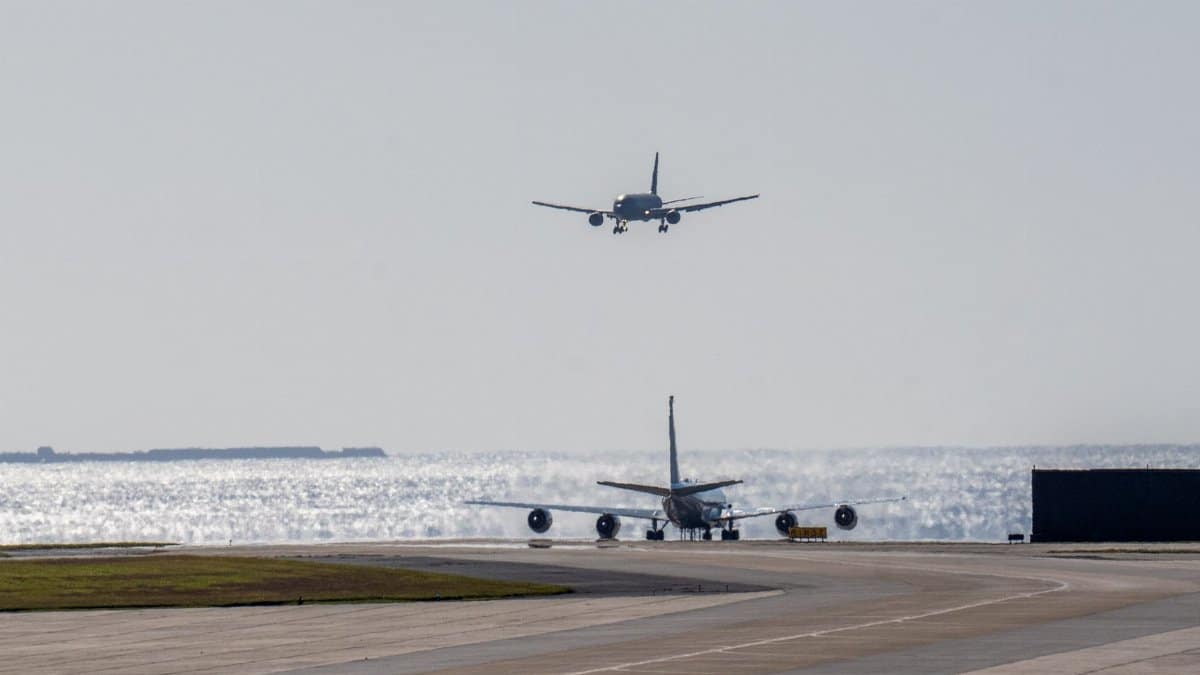
At Seattle Tacoma International Airport travelers move through security lines and baggage claims with the usual mix of purpose and fatigue. Yet beneath this routine activity federal enforcement actions have drawn fresh scrutiny from immigration attorneys who describe a pattern of detentions targeting noncitizens whose cases remain unresolved and who lack significant criminal records. These ICE Sea-Tac Airport arrests reflect a broader national effort that has left families and legal advocates questioning the criteria behind the selections.
Origins of heightened airport enforcement

Airport settings offer immigration officers direct access to individuals returning from abroad or preparing to depart. In recent months agents have approached passengers whose names appear on internal lists tied to pending removal proceedings. Attorneys report that many of those detained had previously checked in with authorities as required and posed no apparent flight risk or public safety concern.
Profiles of those taken into custody

The individuals affected often hold long standing ties to the region including employment and school age children. Several have lived in the United States for a decade or longer while pursuing asylum claims or adjustment of status. Their arrests at the airport have interrupted these processes and introduced new layers of legal complexity.
Attorney observations on selection criteria

Legal representatives note that the choice of targets appears to prioritize those with older deportation orders even when the underlying violations involved only immigration paperwork. This approach contrasts with earlier practices that focused more narrowly on recent border crossers or individuals with serious convictions. The shift has prompted questions about resource allocation within enforcement agencies.
Effects on families and communities

When a parent is detained at the airport children may face sudden separation without time for arrangements. Community organizations have responded by establishing hotlines and rapid response teams to track cases and connect relatives with counsel. These networks emphasize emotional support alongside legal aid as uncertainty lingers for weeks or months.
Operational changes at Sea Tac terminals
Airport staff have received updated guidance on interactions with federal agents to ensure passenger flow continues smoothly. Signs directing travelers to certain areas have been adjusted while coordination between local police and immigration personnel has increased. Passengers report occasional delays during routine screenings though officials maintain that overall security procedures remain unchanged.
National context and policy alignment

Similar enforcement patterns have surfaced at other major gateways across the country as part of directives aimed at increasing interior removals. Data from court filings suggest a measurable uptick in airport based detentions since the start of the current fiscal year. Observers link these developments to renewed emphasis on completing cases that lingered during prior administrative periods.
Legal challenges and court responses

Defense attorneys have filed motions arguing that some detentions lack sufficient justification under existing regulations. Judges in several jurisdictions have granted temporary stays allowing individuals to remain with their families while arguments proceed. These rulings highlight ongoing debates over the balance between enforcement priorities and due process protections.
Community advocacy and public awareness

Local groups have organized informational sessions to explain rights during encounters with federal officers. Flyers distributed at places of worship and community centers outline steps to take if a family member fails to return from travel. Such efforts aim to reduce panic and ensure that accurate information reaches those most affected.
Perspectives from returning travelers

Some passengers describe the experience of being pulled aside after long flights as disorienting and intimidating. Others who witnessed arrests express surprise at the quiet manner in which agents conducted the actions. These accounts contribute to a growing body of anecdotal evidence shared through social media and local media outlets.
Future implications for airport travel

As enforcement continues stakeholders anticipate further adjustments in how noncitizens with pending matters plan their movements. Advance consultation with immigration counsel has become a more common recommendation for those whose records include any prior contact with authorities. The situation underscores the intersection of routine travel and complex legal status in contemporary America. ICE Sea-Tac Airport arrests continue to shape conversations about fairness and proportionality in immigration enforcement.