
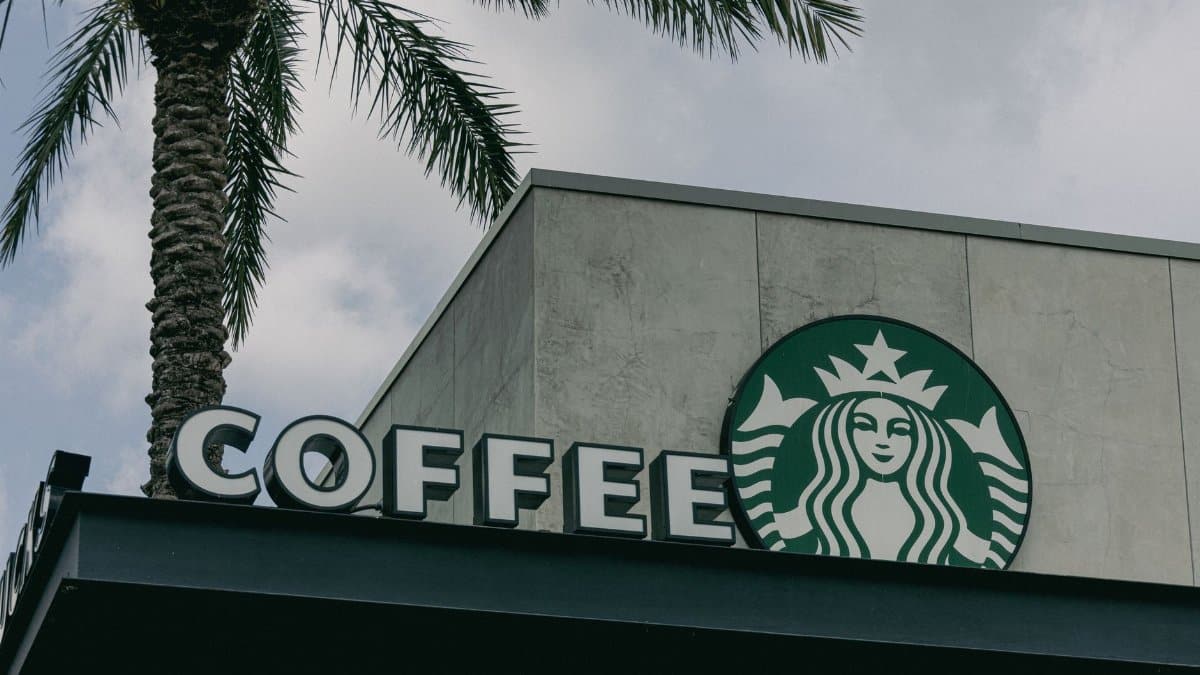
In cafes from coast to coast workers have long sought better terms for their daily efforts and now that push has reached a new level. The recent announcement from Starbucks organized labor groups asks patrons to step back from purchases at the chain until a deal is reached. This development in the Starbucks union boycott reflects broader shifts in how service employees view their roles and rights in a fast changing economy. Observers note that such actions can ripple through communities where these stores serve as social hubs and morning rituals for many. As talks continue without clear progress the situation invites reflection on the balance between corporate goals and individual worker needs in modern retail settings.
Origins of Current Labor Tensions
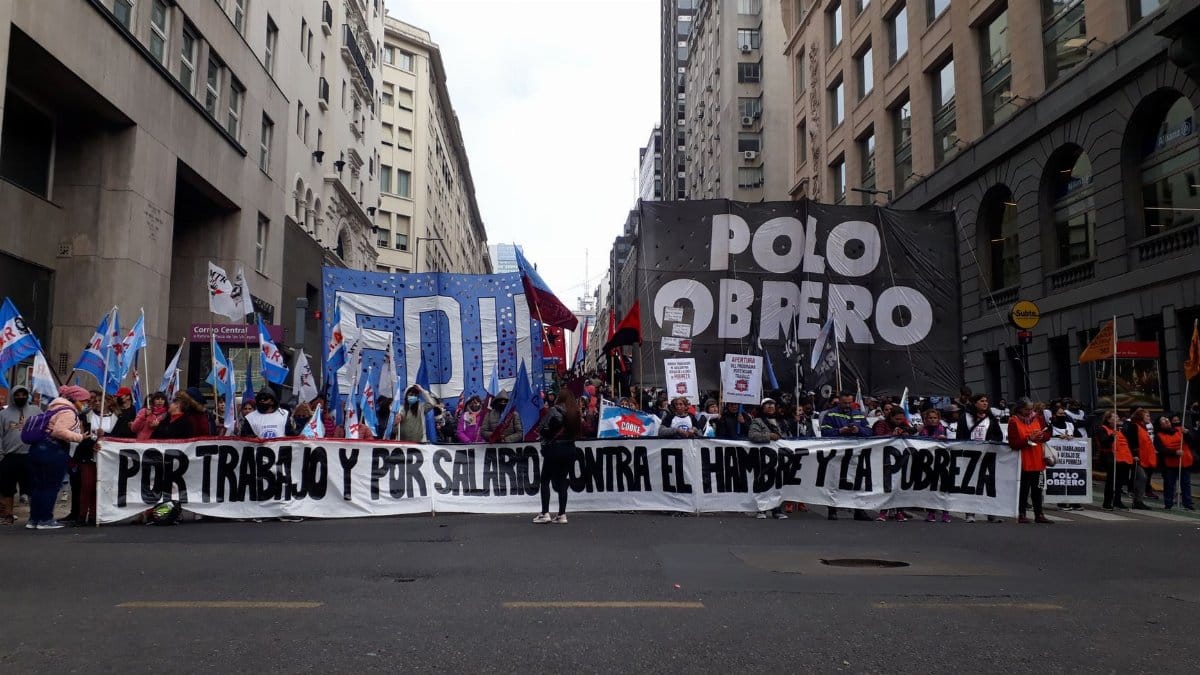
Starbucks locations have seen growing interest in collective organizing over recent years. Employees point to issues like scheduling demands and pay structures that affect daily life. Company leaders have responded with statements on existing benefits yet union representatives argue more direct negotiations are essential. This backdrop sets the stage for the current push involving the Starbucks union boycott as a tool to apply pressure during stalled discussions.
Details Behind the August Announcement

On August 25 2026 the group known as Starbucks Workers United issued its public request. The message urged customers to withhold support until a first contract is signed. Organizers described the move as necessary after months of meetings that yielded little movement on key points. Company officials countered that progress was occurring though at a measured pace.
Impact on Daily Store Operations

Many locations report steady foot traffic even after the call went out. Some regular visitors say they remain loyal due to habit or product quality. Others indicate they are exploring alternatives as a form of quiet support for the workers position. Store managers have focused on maintaining service levels amid the uncertainty.
Broader Trends in Service Industry Organizing

Across retail and food service sectors similar efforts have gained attention in recent times. Groups cite rising costs of living and inconsistent hours as common concerns. The Starbucks case stands out due to the scale of the company and its cultural presence. Analysts suggest outcomes here could influence how other firms approach union talks.
Customer Reactions Across Regions

Feedback varies widely depending on location and personal views. In urban areas some patrons express solidarity with the workers cause while suburban customers often prioritize convenience. Social media shows a mix of messages both encouraging and questioning the boycott approach. This diversity highlights how local factors shape responses to national labor news.
Company Stance and Future Outlook

Starbucks has emphasized its commitment to dialogue and existing employee programs. Executives have avoided direct comments on the boycott itself in public forums. Observers watch for signs of renewed talks or possible policy adjustments. The coming months may clarify whether this tactic leads to faster agreements or prolonged disputes.
Role of Media Coverage in Labor Matters
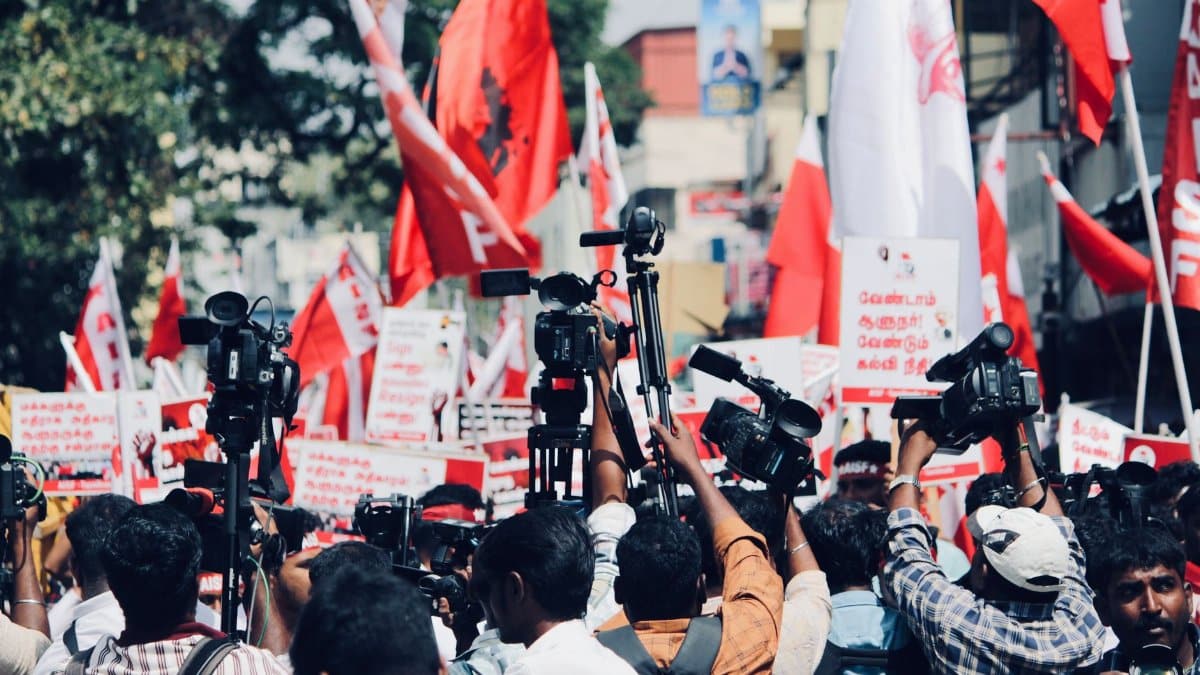
Reports from various outlets have framed the events with differing emphasis. Some focus on worker stories while others highlight business implications. This coverage helps shape public awareness and can affect how the Starbucks union boycott is perceived over time. Balanced reporting remains important for informed discussion.
Potential Effects on Local Economies

Neighborhood businesses near Starbucks outlets might see shifts if traffic changes. Smaller cafes could gain or lose depending on customer choices. The situation illustrates connections between one large employer actions and surrounding commercial activity. Communities continue to monitor developments closely.