
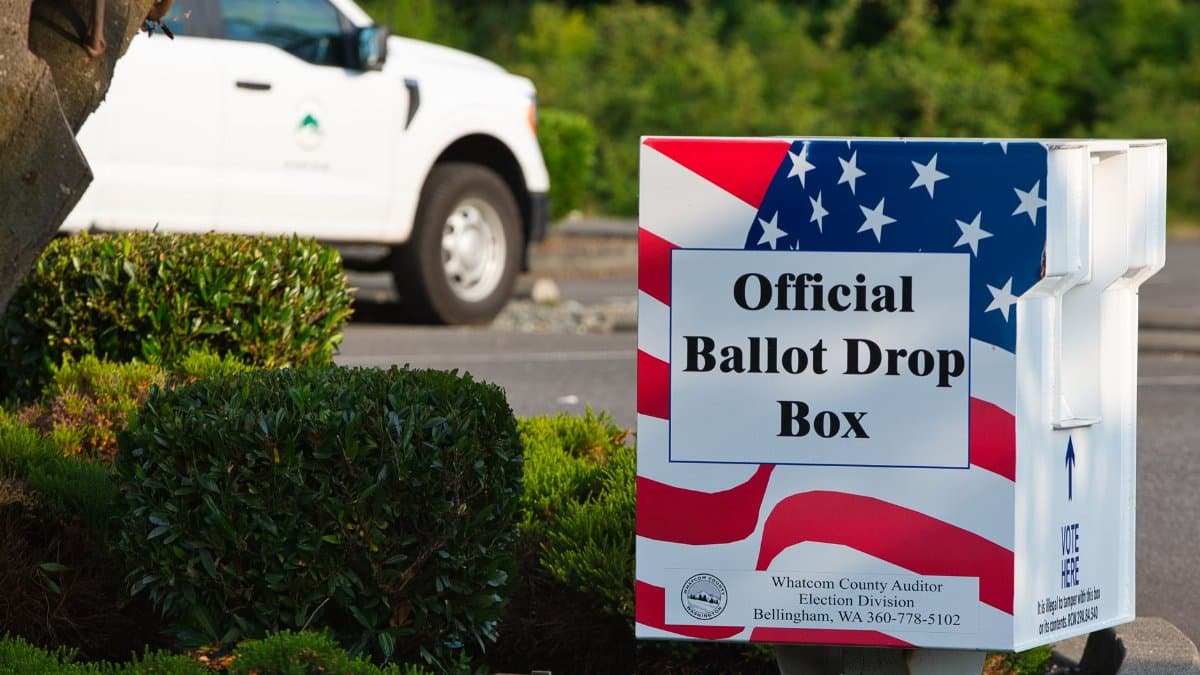
In recent months tensions have risen over changes proposed for how Americans send their votes through the mail. Minnesota has taken a leading role in opposing these alterations by filing the Minnesota mail ballot lawsuit along with other states. This action aims to protect access to voting for citizens who rely on this method especially in rural areas where post offices play a vital role. The effort draws attention to potential barriers that could affect turnout in the fall contests.
Background on the Postal Service Change
The United States Postal Service introduced a new guideline earlier this year that would require stricter handling of ballots sent by mail. Officials in Minnesota argue this step could delay delivery and increase the chance that some votes arrive too late to count. The Minnesota mail ballot lawsuit seeks to halt implementation before the next national election cycle begins.
States Joining the Legal Effort
More than twenty other states plus the District of Columbia signed on to the complaint filed in federal court. Their shared concern centers on uniform treatment of ballots across regions with different population densities and mail service levels. Coordination among these parties shows a broad coalition focused on preserving established voting practices.
Potential Effects on Rural Communities

Residents in less populated parts of Minnesota often depend on mail delivery for essential tasks including casting ballots. Any slowdown in processing could discourage participation among older adults and those without easy transportation to polling sites. The lawsuit highlights data showing higher reliance on mail ballots in such areas compared with urban centers.
Arguments Presented by Minnesota Officials

State attorneys contend that the postal rule exceeds the authority granted to federal agencies under current election laws. They point to past court decisions that upheld state flexibility in managing voting procedures. Supporters of the Minnesota mail ballot lawsuit say the challenge rests on both statutory and constitutional grounds.
Responses from Federal Authorities

Administration spokespeople defend the postal guideline as a necessary measure to ensure ballot integrity and prevent fraud. They maintain that updated standards reflect lessons from previous election periods. Critics of this position counter that evidence of widespread problems remains limited.
Views from Election Experts
Scholars who study voting systems note that mail ballots have grown in popularity over the last decade. They warn that abrupt rule shifts risk confusing voters and local election workers alike. The Minnesota mail ballot lawsuit may set precedents for how future adjustments are reviewed by courts.
Historical Use of Mail Voting

Americans have used mail ballots during times of national crisis and in everyday circumstances for generations. Minnesota itself expanded options for absentee voting well before recent events. This tradition forms part of the context for current legal disputes over access and security.
Impact on Voter Turnout Projections
Analysts tracking participation rates suggest that restrictions on mail ballots could reduce overall numbers especially among certain demographic groups. The lawsuit seeks to avoid such outcomes by preserving familiar methods. Public opinion surveys indicate strong support for keeping multiple ways to vote available.
Role of Local Election Offices

County officials across Minnesota have voiced worries about adapting to new federal requirements on short notice. They describe existing procedures as reliable and tested through multiple election cycles. The Minnesota mail ballot lawsuit includes affidavits from these administrators detailing practical concerns.
Broader Questions About Federal State Relations
The case raises issues about the balance of power between national agencies and individual states in running elections. Minnesota leaders emphasize that states hold primary responsibility under the constitution. Observers expect the litigation to continue through appeals even after initial rulings.
Public Reactions Across the State
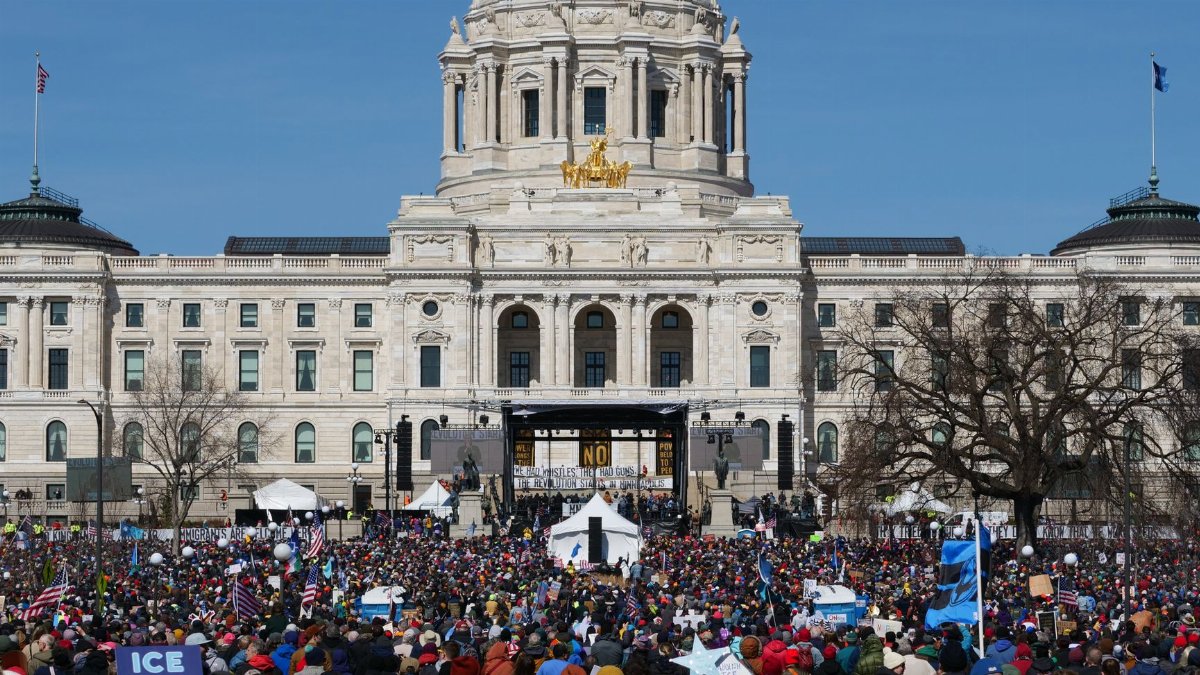
Residents and advocacy groups have organized discussions about the stakes involved in the Minnesota mail ballot lawsuit. Many express a desire for clear information on how ballots will be handled. Community meetings have drawn steady attendance as the filing date approaches.