
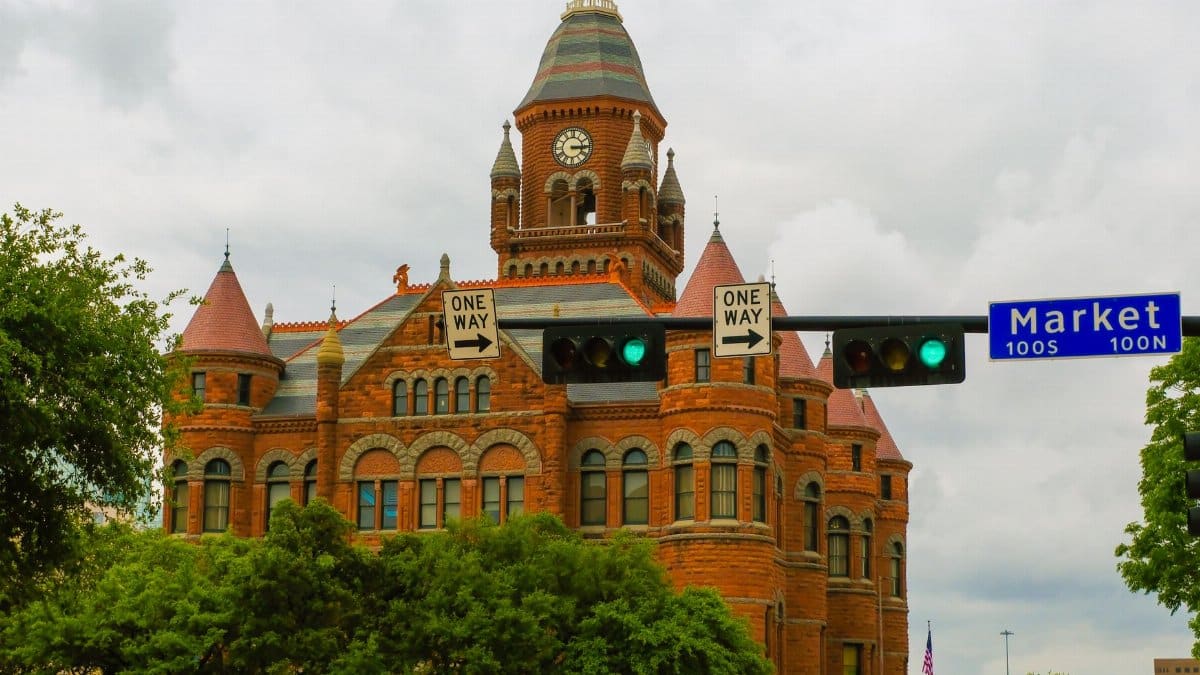
Dallas County has confirmed its first heat related death this year as extreme temperatures continue to affect residents across the region. The case highlights the urgent need to address Dallas heat death through better preparedness and awareness efforts. Officials noted that the victim was an older adult found in a residence without adequate cooling measures during a prolonged stretch of high heat. This development comes amid warnings from local meteorologists about sustained conditions that can overwhelm even healthy individuals. Communities now face questions about how to protect those most exposed while cities adapt infrastructure to handle intensifying summer patterns. The confirmation serves as a reminder that heat poses a silent yet significant threat in growing metropolitan areas like this one.
Details Surrounding the Confirmed Case
Authorities released limited information about the individual to respect family privacy yet emphasized that the death was directly linked to prolonged exposure. Investigators visited the home and found indoor temperatures far above safe levels with no functioning air conditioning unit present. Neighbors recalled checking on the resident in recent days but noted the person had limited mobility and few visitors. Medical examiners completed the review quickly to provide clarity during the ongoing heat event. This instance stands apart from others because it occurred early in the season when many residents had not yet adjusted routines.
Patterns in Local Temperature Records

Weather data from the past decade shows a steady climb in the number of days exceeding ninety degrees with nighttime lows that offer little relief. Such conditions reduce the body’s ability to recover overnight and increase strain on the cardiovascular system. Dallas heat death events tend to cluster during these extended periods rather than isolated hot afternoons. Meteorologists attribute part of the shift to broader atmospheric changes that trap warmth over the southern plains. Tracking these patterns helps emergency planners allocate resources ahead of time.
Impact on Older Adults and Isolated Residents
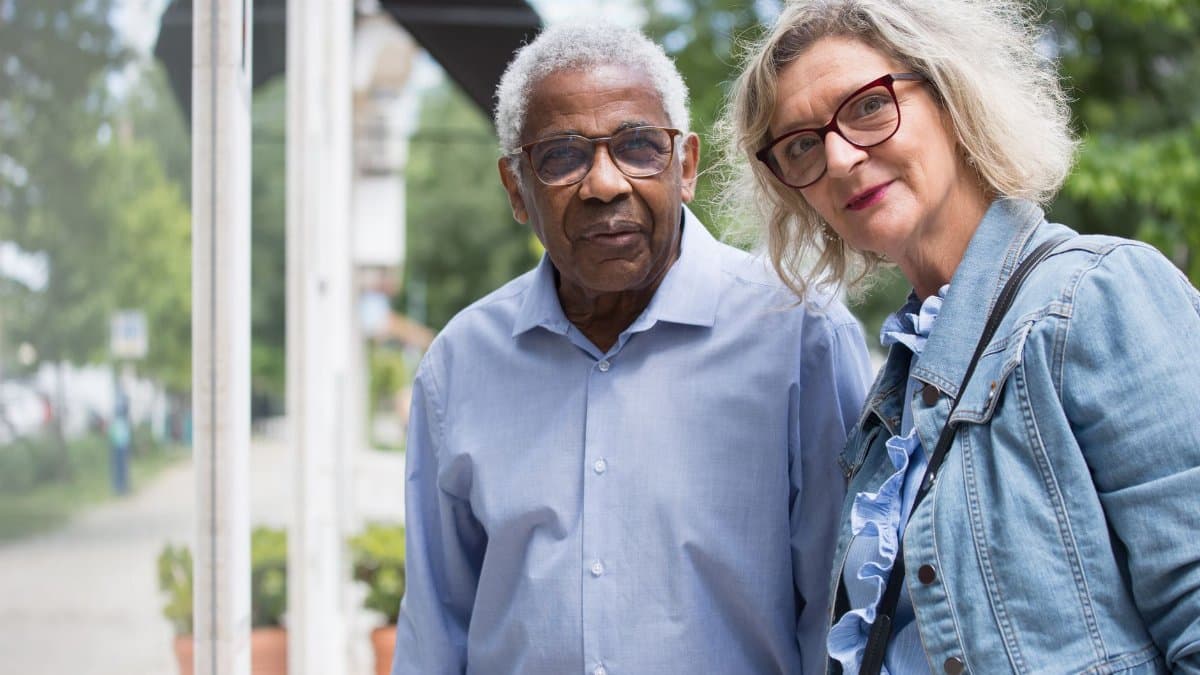
Seniors living alone represent a disproportionate share of heat related fatalities because they often underestimate personal risk or lack transportation to cooling centers. Social isolation compounds the problem when family members live in distant suburbs and daily contact becomes infrequent. Programs that pair volunteers with at risk households have shown promise in other cities by providing regular check ins and simple safety tips. Expanding such networks locally could reduce future incidents similar to the recent one. Public health messages tailored to this group stress hydration and recognition of early warning signs like dizziness.
Role of Housing Quality in Heat Outcomes
Many older homes in Dallas County were built before modern insulation standards and retain heat long after outdoor temperatures drop. Renters in particular may have little control over whether landlords maintain cooling systems. Energy assistance programs exist yet often require applications that overwhelm those already stressed by high utility bills. Retrofitting initiatives that target low income neighborhoods could lower indoor temperatures measurably and prevent tragedies. Partnerships between city agencies and utility companies have begun to pilot such upgrades on a small scale.
Emergency Response and Cooling Resources
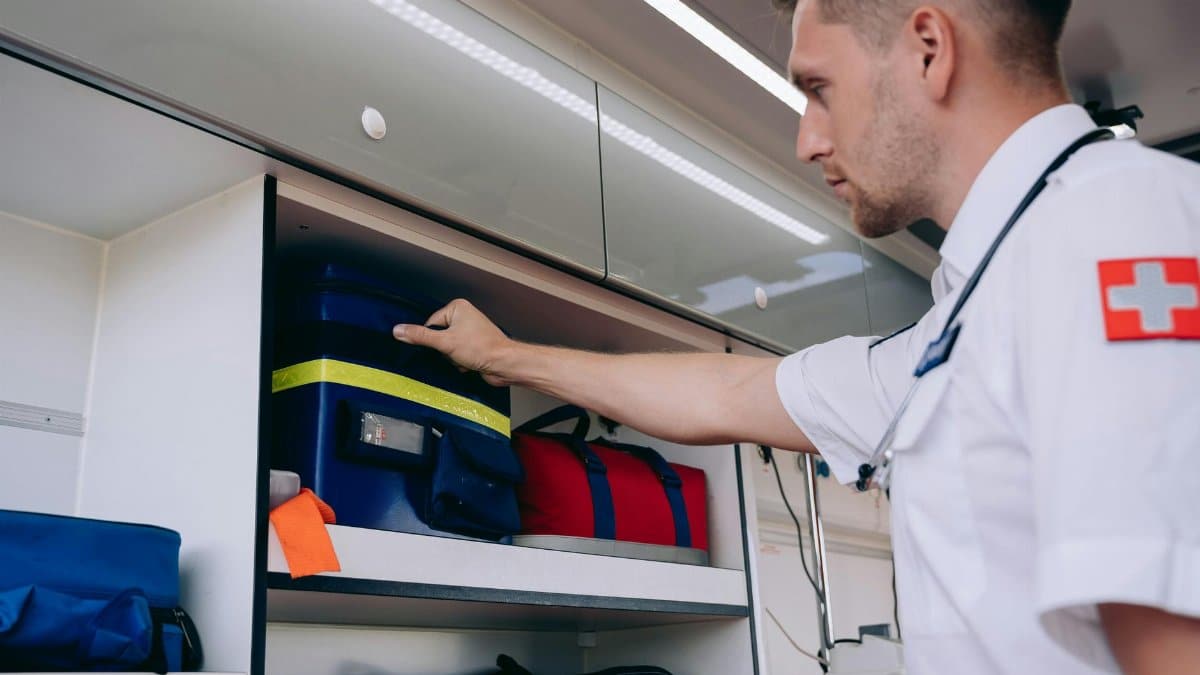
The county activated additional cooling centers at libraries and community centers once the heat advisory was issued yet usage remained lower than expected. Transportation barriers and lack of awareness prevented some residents from reaching these sites. Mobile units that deliver water and temporary shade to high risk areas are now under consideration for the remainder of the summer. Coordination between fire departments and health officials improved after previous seasons yet gaps remain in reaching non English speaking populations. Real time mapping of vulnerable addresses could streamline future deployments.
Community Reflections on Shared Responsibility

Faith groups and neighborhood associations have started informal outreach campaigns that encourage residents to look after one another during extreme weather. These efforts draw on longstanding traditions of mutual aid that predate formal government programs. One local pastor described organizing volunteers to visit elderly members of the congregation each afternoon with cold drinks and conversation. Such personal connections foster a sense of collective duty that official alerts alone cannot replicate. Discussions in community forums reveal a desire for more sustained dialogue about adapting to changing conditions.
Policy Options Under Consideration

City leaders are reviewing ordinances that would require minimum cooling standards in rental properties and expand access to subsidized weatherization. Funding for these measures would likely come from a mix of state grants and local bonds. Advocates argue that upfront investments in housing resilience yield long term savings by reducing hospital visits and emergency calls. Critics worry about added costs for property owners yet acknowledge the human toll when no action is taken. Public hearings scheduled for later this month will allow residents to voice priorities.
Looking Ahead to Seasonal Preparedness

With several weeks of summer still ahead forecasters urge continued vigilance and prompt reporting of any concerns about neighbors. Dallas heat death remains a preventable outcome when systems work together to identify and assist those in need. Ongoing education campaigns will focus on practical steps such as checking air filters and creating personal cooling plans. The recent confirmation has prompted renewed commitment from agencies and residents alike to treat heat as a serious public health matter rather than an inevitable seasonal nuisance.