

In recent years voter engagement in Massachusetts has shown varied patterns. This year observers note that the race may not significantly increase participation rates. Massachusetts primary turnout often depends on broader factors such as local issues and campaign efforts rather than famous matchups alone. State officials have indicated that early voting numbers are not expected to surge based on this particular Senate race.
Background on the Senate Contest
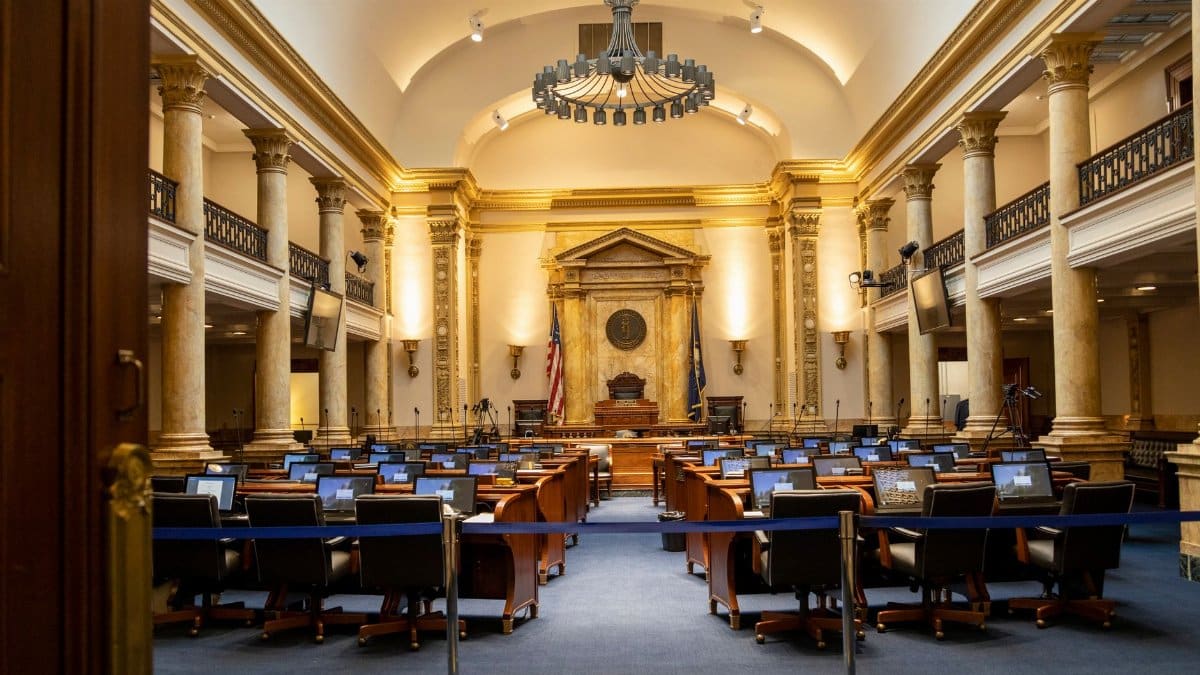
The contest pits two long serving Democrats against each other in a primary setting. Both candidates bring established records on national policy matters yet analysts suggest this dynamic alone rarely shifts overall participation in such elections.
Role of State Election Leadership

Chief officials emphasize that turnout projections rely on historical data and outreach programs. They point to consistent levels seen in prior cycles where similar contests failed to produce notable spikes in voter activity across the commonwealth.
Impact of Early Voting Procedures

Procedures for casting ballots ahead of the main date have expanded in recent cycles. Yet projections indicate these options may see only routine use this time around as interest remains focused on other local races and referendums.
Comparison With Past Election Cycles
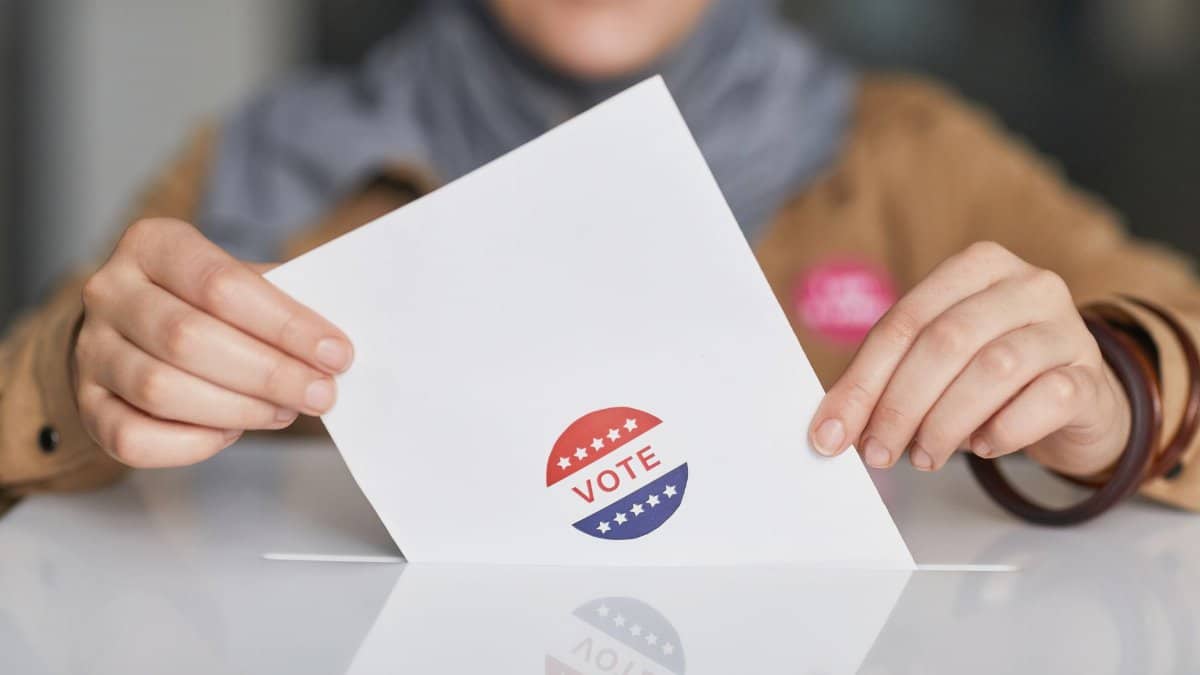
Previous primaries featured different candidate profiles and sometimes generated greater attention from media outlets. Data from those periods reveal that participation fluctuated more due to economic conditions or national events than candidate fame.
Influence of Local Issues on Participation
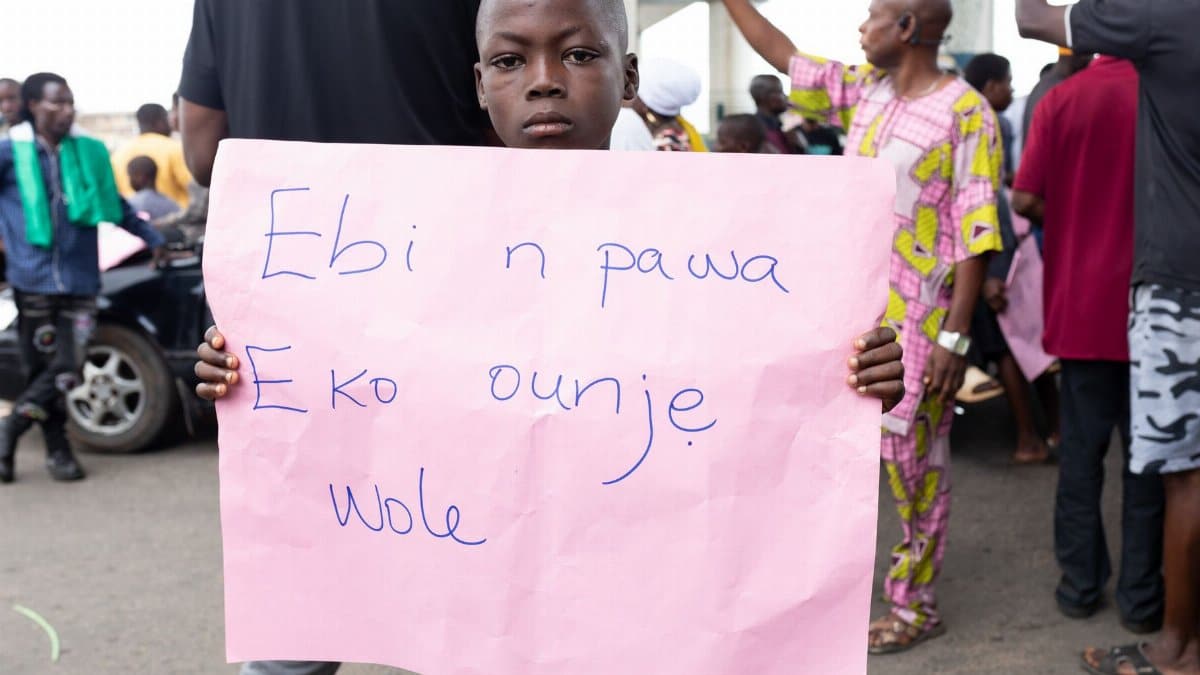
Voters tend to respond strongly to matters like education funding and transportation improvements. These topics often motivate more consistent engagement than a single statewide matchup regardless of the names involved.
Media Coverage and Public Awareness
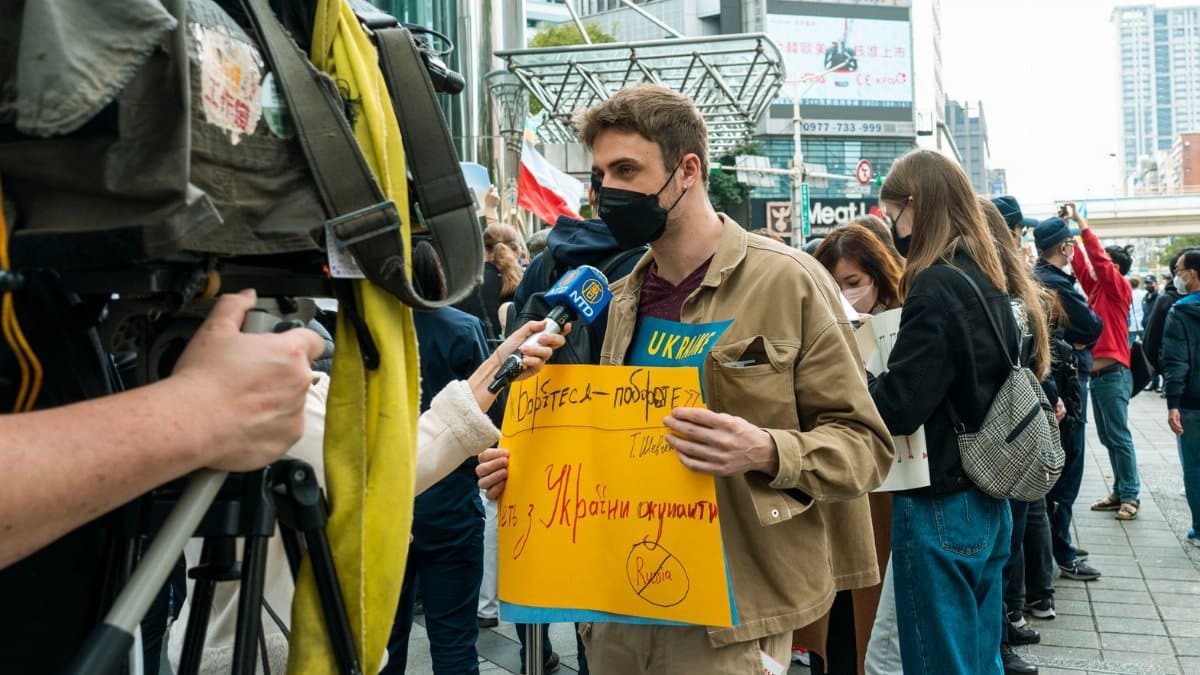
News reports have highlighted the contest but coverage volume has stayed moderate compared to presidential years. This measured attention may contribute to steady rather than elevated levels of interest among the general public.
Demographic Factors in Voting Trends
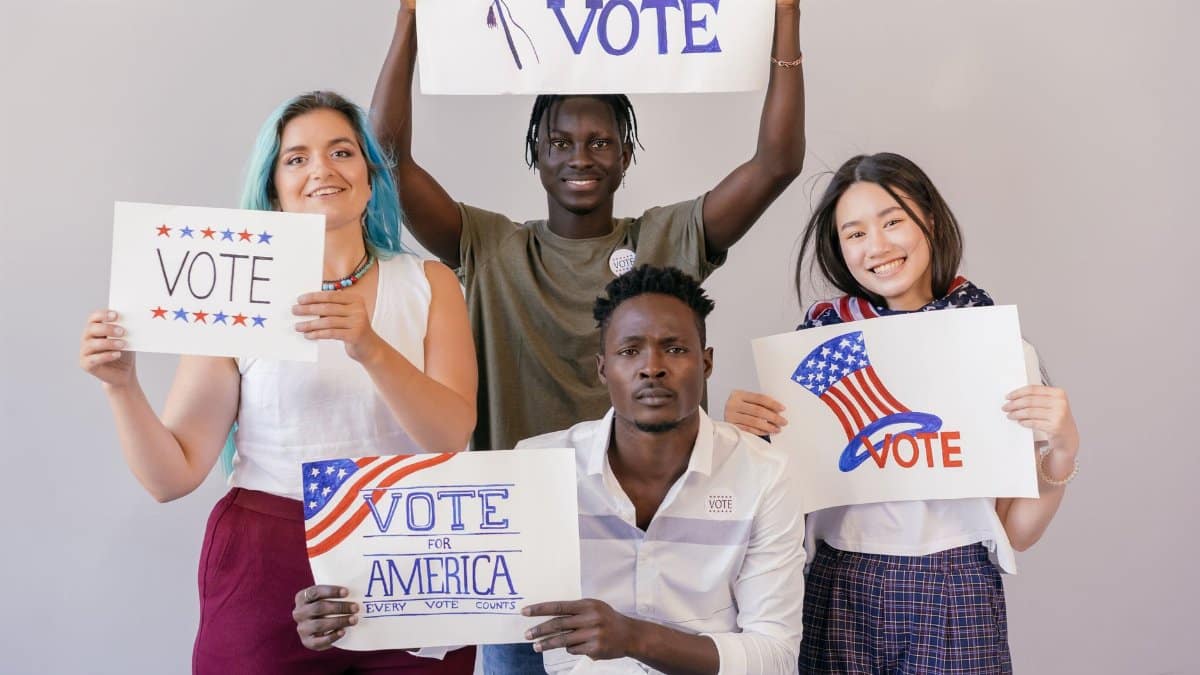
Younger residents and certain urban groups show distinct habits in primary seasons. Outreach efforts targeted at these segments continue as officials seek to maintain baseline participation without expecting dramatic changes from the current contest.
Potential Effects on General Election Preparation
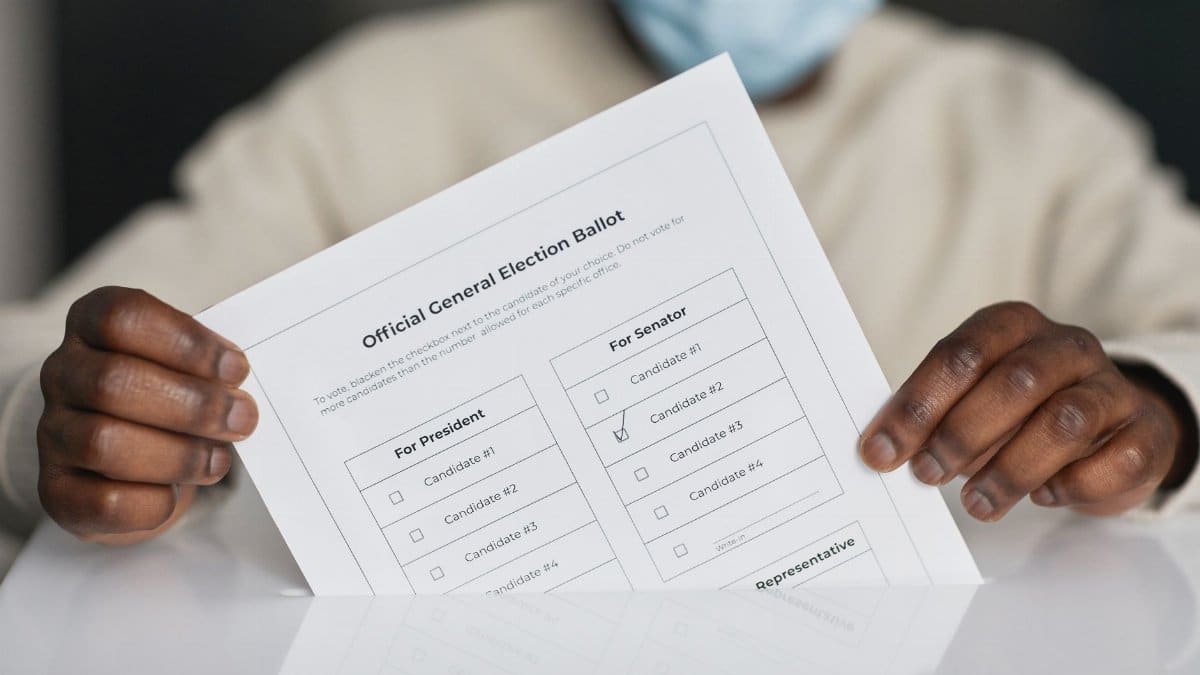
Low to moderate primary activity could influence strategies for the fall contest. Campaigns may adjust resource allocation to focus on building broader coalitions once nominees are confirmed.