
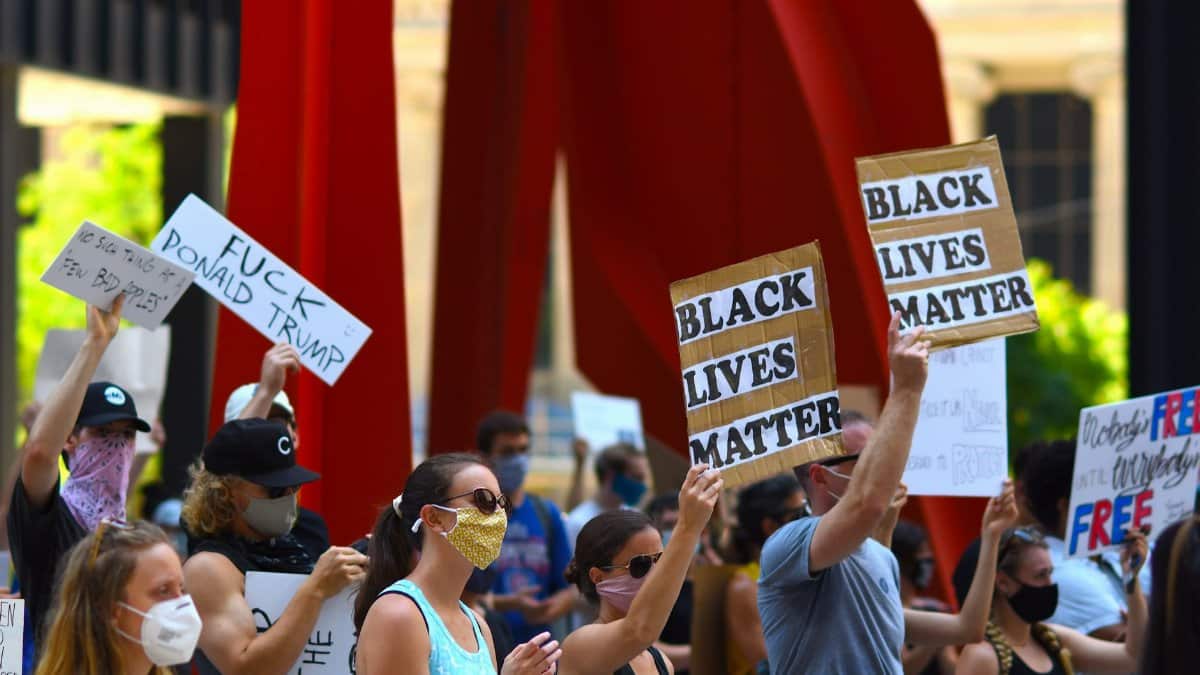
In recent months a quiet but determined effort has taken shape among Democratic leaders and election officials who sense that the coming congressional contests could face unusual pressures. These preparations reflect deep worries about Trump midterms interference and how it might affect voting processes across several states. Observers note that past patterns of rhetoric from former President Trump have prompted this proactive stance as parties position themselves for what promises to be a high stakes cycle.
Background on Election Oversight Practices

Election oversight in the United States has long relied on state level authorities to manage ballot access and count procedures. Recent cycles showed how these systems adapt when external voices raise doubts about outcomes. Officials in key battleground areas have reviewed their protocols to ensure continuity even if challenges arise from national figures.
Democratic Responses to Political Pressures
Party strategists have held closed sessions to map out scenarios where Trump midterms interference could manifest through public statements or legal maneuvers. They emphasize coordination with local governments to maintain voter access and transparent counting methods. This approach draws from lessons in previous contests where unexpected claims created confusion.
State Level Contingency Measures

Secretaries of state in multiple regions have updated training for poll workers and clarified chains of command for dispute resolution. These steps aim to limit disruptions that might stem from broader national debates. Resources have been allocated for rapid communication networks among jurisdictions.
Legal Tools Available to Protect Processes

Courts have historically played a role in settling election related questions though the timing of rulings can vary. Advocates suggest that clear statutes on certification deadlines provide some safeguards against attempts to alter results after votes are cast. Preparation includes briefings for judges on relevant precedents.
Public Sentiment and Voter Engagement

Surveys indicate that many citizens remain focused on local issues such as economic conditions and community services rather than national disputes. Yet awareness of potential Trump midterms interference appears to have grown among frequent voters who follow political news closely. Campaigns on both sides are adjusting messages accordingly.
Media Role in Shaping Narratives

News outlets face decisions about how much attention to give claims that question election integrity without clear evidence. Balanced coverage requires distinguishing between policy disagreements and factual challenges to vote tallies. Journalists have begun discussing internal guidelines for such situations.
International Observations and Comparisons

Observers from other democracies have noted the unique aspects of American federalism in handling election disputes. Some compare the current climate to tensions seen in prior transition periods though institutional differences limit direct parallels. Diplomatic channels have stayed largely quiet on the topic.
Long Term Implications for Governance
Whatever unfolds the episode could influence how future administrations approach relations with state election bodies. Discussions already touch on reforms that might strengthen administrative independence without favoring one party. The goal remains preserving trust in the overall system. Trump midterms interference remains a central phrase in these conversations among analysts who track institutional resilience.