

In the heart of Boston, where community meetings often stretch late into the evening and local issues dominate conversation, signs point to an unusually open contest ahead. Observers note that the Stephen Lynch primary could reshape expectations in a district long viewed as secure for incumbents. Residents discuss everything from housing costs to transit upgrades with a fresh sense of urgency, sensing that established patterns may shift. This development draws from years of quiet discontent that has now surfaced in public forums and campaign stops alike.
Roots of the Eighth District Political Landscape
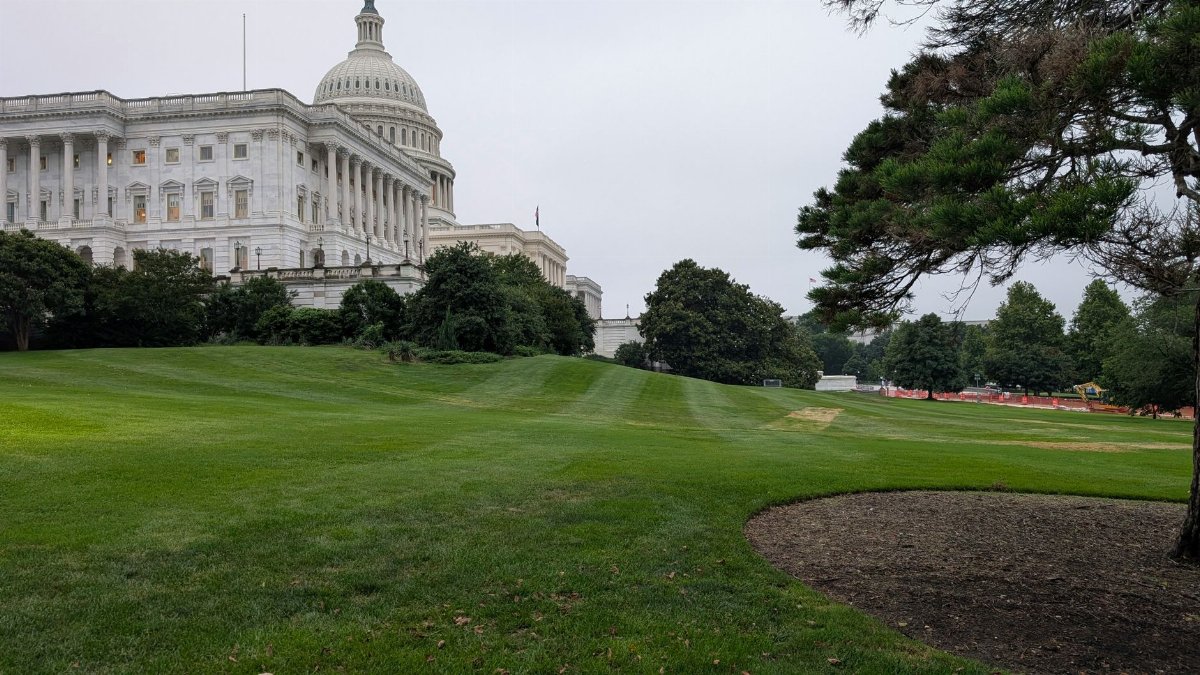
The eighth district stretches across diverse neighborhoods, blending urban density with pockets of suburban calm. Voters here have backed Democratic candidates for decades, yet turnout patterns reveal pockets of independence that challengers hope to activate. Economic pressures tied to rising rents and job shifts have prompted many to question whether current leadership fully addresses daily needs. Past elections showed comfortable margins, but recent community surveys suggest growing appetite for alternatives on core policy fronts.
Record of the Sitting Congressman Examined

Stephen Lynch has served multiple terms, focusing on labor protections and infrastructure funding that benefited ports and rail lines. His approach often emphasized bipartisan deals in Washington, yielding results on trade measures and public works projects. Critics argue this style sometimes overlooked emerging voices on equity and climate action. Supporters counter that steady advocacy preserved manufacturing jobs during economic downturns, creating a base of loyalty that may prove resilient in upcoming votes.
Emerging Challengers and Their Platforms

Several candidates have entered the race, each highlighting distinct priorities such as expanded affordable housing and stronger environmental safeguards. One contender stresses grassroots organizing in working class areas, while another draws from academic circles to push education reforms. These efforts mark a departure from previous cycles where opposition remained limited. Organizers report increased volunteer sign ups at local events, indicating broader engagement than seen in prior contests.
Voter Sentiment Across Key Neighborhoods

Conversations in South Boston and surrounding communities reveal a mix of appreciation for continuity alongside calls for new energy. Older residents often recall specific legislative wins that aided families, while younger voters express frustration over stagnant wages and limited transit options. Door knocking teams note that issues like elder care and small business support surface repeatedly. This blend of views creates a fluid environment where outcomes remain uncertain until ballots are cast.
Role of External Groups in Shaping the Contest

National organizations focused on progressive policies have begun allocating resources to support alternative voices. Meanwhile, traditional labor unions continue to back the incumbent based on his voting history. These contrasting influences play out through mailers, digital ads and community endorsements that reach households daily. The dynamic adds layers to an already multifaceted campaign, with each side framing the stakes around different visions for district priorities.
Potential Impact on Broader Massachusetts Politics

A closer result here could signal shifts in how other safe seats are viewed across the state. Party leaders watch closely, aware that competitive races often energize turnout in general elections. Discussions among strategists touch on messaging adjustments that might apply elsewhere if this primary proves tight. Historical parallels from neighboring districts suggest that such contests can influence candidate recruitment in future cycles.
Media Coverage and Public Awareness Levels
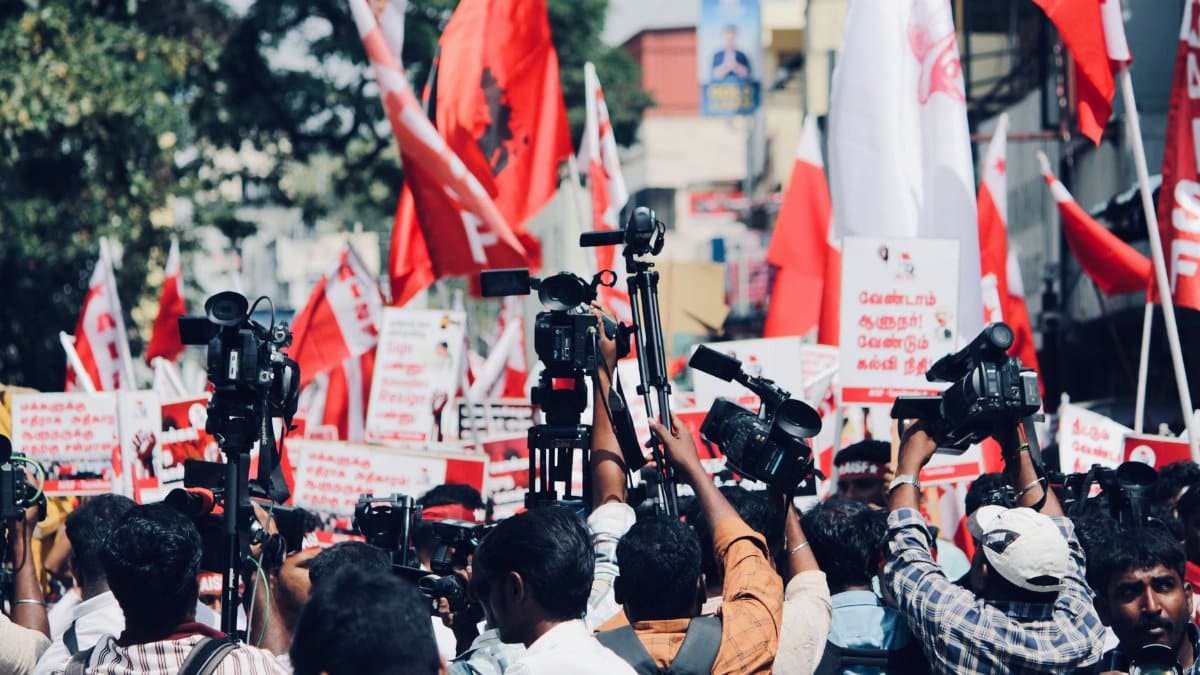
Local outlets have increased attention on candidate forums and policy debates, bringing details to audiences beyond core political followers. Stories explore candidate backgrounds and funding sources, helping shape informed opinions. Social media amplifies clips from these events, extending reach to demographics that traditionally tune out mid cycle activity. This heightened visibility may contribute to higher participation rates on primary day.
Looking Ahead to Election Outcomes

Analysts caution against firm predictions given the variables at play, from weather on voting day to last minute endorsements. Both camps emphasize get out the vote efforts in targeted precincts where margins could decide the result. Whatever the final tally, the Stephen Lynch primary already stands out for prompting wider reflection on representation and accountability in a changing district.