
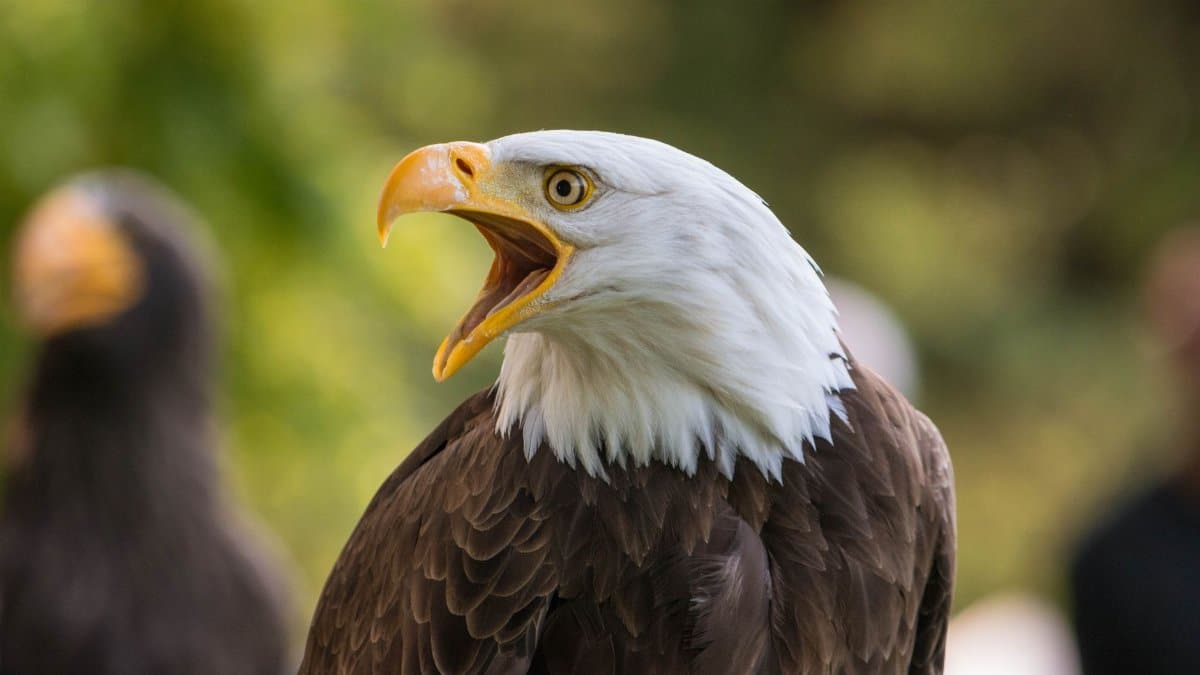
In a quiet corner of Texas a man recently drew national attention after federal authorities charged him with shooting one of the nations most iconic birds. The case unfolded in Porter where local residents expressed shock that such an act could occur in their backyard. Prosecutors presented evidence showing the defendant used a rifle to kill the protected raptor and then tried to conceal the remains. The bald eagle case quickly became a talking point among conservation groups that monitor threats to the species even after decades of recovery. Judges handed down a sentence that included prison time along with a substantial fine underscoring the seriousness with which courts now treat violations of wildlife statutes. Observers noted that the outcome sends a clear message about the continued need for vigilance around protected animals.
Details of the shooting incident
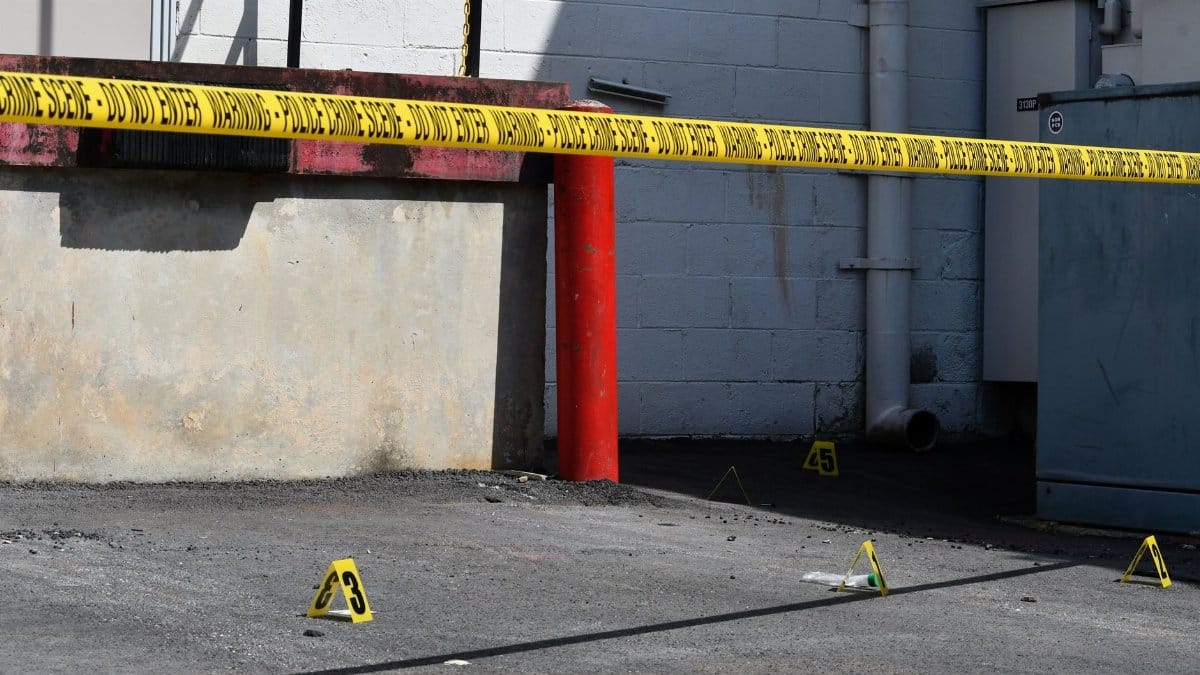
Court records indicate the events took place on private land near a wooded area where the eagle had been spotted perching on a tall pine. Witnesses described hearing a single shot followed by the sound of wings flapping before silence fell. Investigators later recovered the carcass along with shell casings that matched a firearm registered to the accused. The bird showed no signs of disease or injury that might have prompted a mercy killing defense.
Legal framework applied in court

Federal statutes protecting bald eagles carry strict penalties including possible jail terms and financial sanctions. Prosecutors relied on the Bald and Golden Eagle Protection Act to build their argument without needing to prove commercial motive. Defense attorneys sought leniency by highlighting the defendants clean record yet the judge emphasized the deliberate nature of the act when imposing the sentence of several months behind bars plus five thousand dollars in fines.
Impact on local wildlife populations
Bald eagles have made a steady comeback in Texas thanks to habitat restoration and bans on harmful pesticides. Each illegal killing however represents a setback for breeding pairs that already face challenges from development and storms. Biologists tracking nests in the region say even one loss can affect recruitment rates over several seasons particularly in areas with limited suitable trees for nesting.
Public reaction across the state

Residents in Porter and surrounding communities voiced dismay on social media and at town meetings calling the shooting senseless. Some organized small vigils near the recovery site while others contacted lawmakers to ask for stronger enforcement resources. Local schools incorporated the story into lessons on environmental stewardship to help younger generations understand the value of native species.
Role of federal investigators

Agents from the United States Fish and Wildlife Service led the inquiry working alongside state game wardens to gather forensic evidence. Their work included tracing ownership of the weapon and interviewing neighbors who had seen the defendant in the vicinity on the day of the incident. Such collaboration between agencies has become standard in cases involving protected raptors.
Broader lessons for conservation policy

This matter illustrates how courts continue to treat violations as serious crimes rather than minor infractions. Lawmakers may consider additional funding for monitoring cameras in remote areas or public awareness campaigns aimed at hunters and landowners. Sustained protection efforts have already lifted eagle numbers from near extinction levels yet ongoing threats require consistent attention from both officials and citizens.
Comparison with past enforcement actions
Similar prosecutions in other states have resulted in comparable outcomes including probation combined with community service requirements. The Texas ruling aligns with a pattern of increasing penalties that reflect the cultural significance of the bald eagle as a national symbol. Conservation advocates point to these cases as proof that statutes retain their deterrent power when applied firmly.