
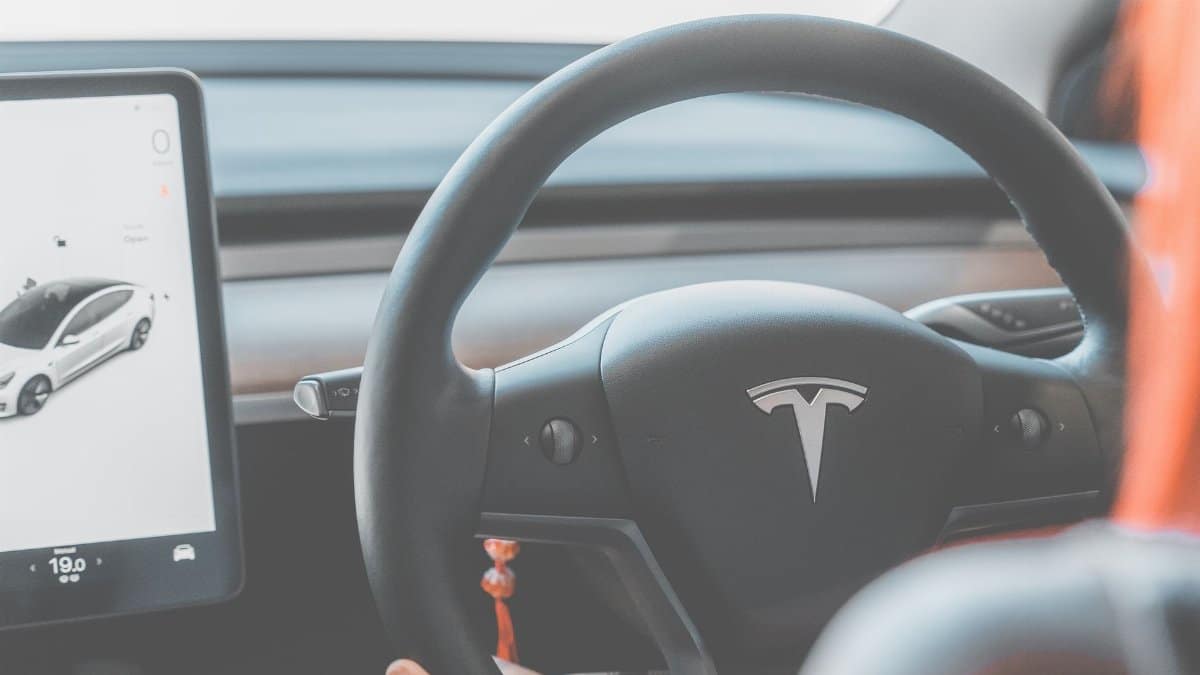
The roads of Texas may soon welcome a new kind of vehicle, one that operates without any human intervention at the wheel. This development comes as companies push the boundaries of what autonomous technology can achieve in everyday settings. Tesla Cybercab stands out in this evolving landscape with its distinctive design and ambitious goals for urban mobility. Observers note that such vehicles could alter daily commutes in growing cities like Austin where traffic patterns continue to shift.
Design Elements That Define the Vehicle
The absence of a steering wheel marks a clear departure from conventional cars. Engineers focused on a minimalist interior that prioritizes passenger space and comfort during trips. This approach aligns with broader trends in vehicle production where simplicity supports advanced software systems. Riders would interact through digital interfaces rather than physical controls.
Timeline for Texas Deployment
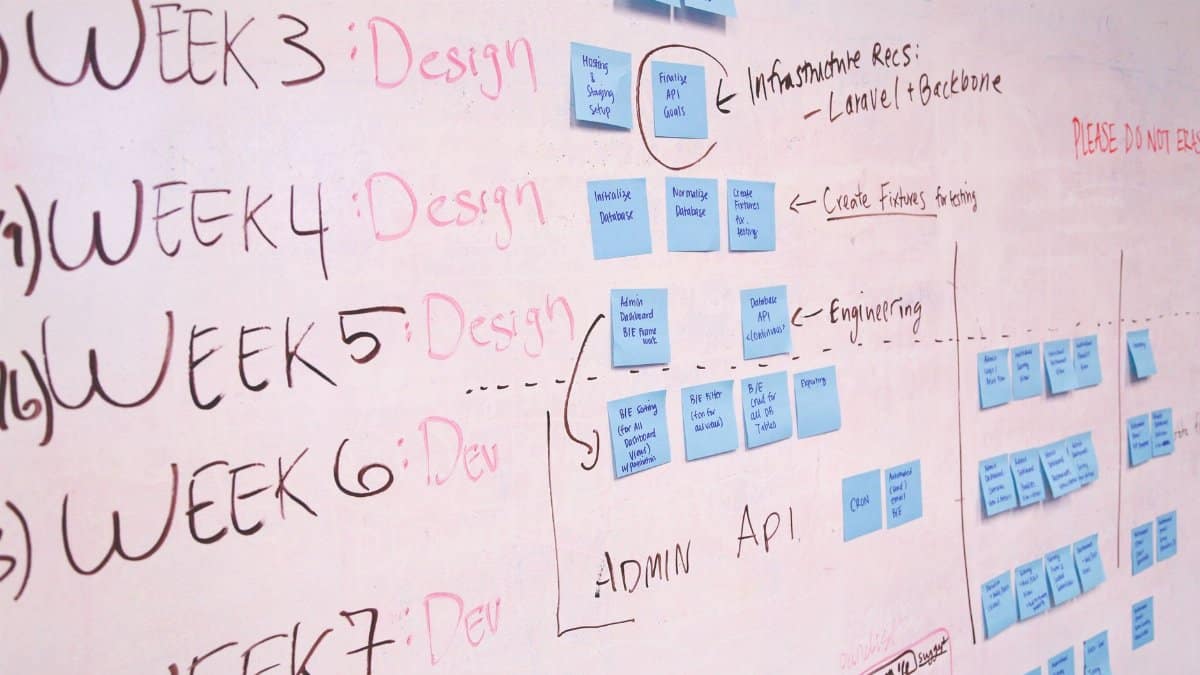
Plans call for initial rides in Austin by the close of August 2026. Local regulations will play a key role in determining how quickly the service expands. State officials have shown interest in supporting innovation while maintaining safety standards. Early tests could provide valuable data on performance in varied weather conditions common to the region.
Impact on Urban Transportation Patterns
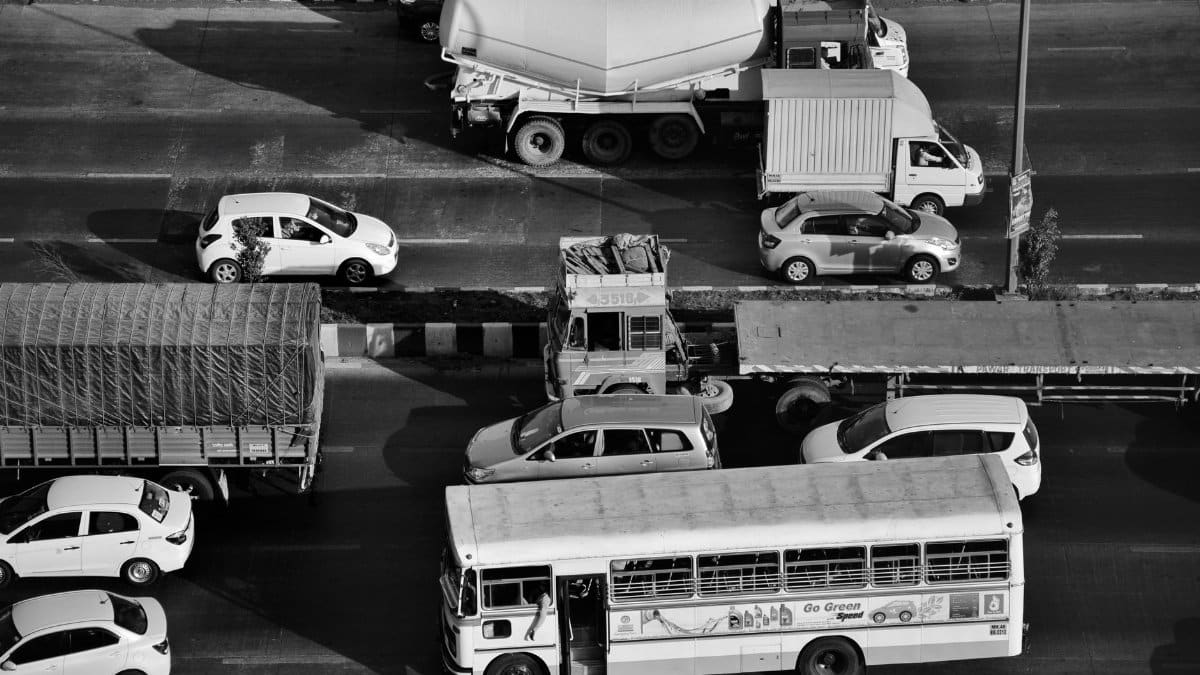
Widespread adoption might reduce the need for personal car ownership in dense areas. Public transit systems could integrate with these autonomous options to fill gaps in coverage. Cities would likely see changes in parking demand as fewer vehicles sit idle on streets. Economic effects may extend to local businesses that rely on steady foot traffic from commuters.
Regulatory Challenges Ahead

Lawmakers must address liability questions when no driver sits behind the wheel. Insurance frameworks require updates to account for software based decision making. Federal guidelines offer some direction yet states retain authority over road rules. Public input sessions have highlighted both excitement and concerns about reliability during peak hours.
Public Reception and Daily Use Cases

Early feedback suggests middle aged commuters value the potential for hands free travel. Families might appreciate the option for supervised rides without constant adult presence. Tourism operators see opportunities to offer guided tours through automated means. Concerns remain about accessibility for those less familiar with smartphone apps.
Broader Industry Context
Other manufacturers pursue similar goals yet differ in their approach to hardware. Software updates could allow rapid improvements after launch based on real time data. Competition may accelerate progress across the sector as each player refines its model. Supply chains for sensors and computing power face increasing demand from multiple firms.
Future Expansion Possibilities

Success in Texas could pave the way for rollouts in additional states with comparable infrastructure. International markets present further opportunities once domestic operations stabilize. Long term planning includes features like fleet management through centralized systems. Such growth depends on consistent performance metrics gathered from initial users.