
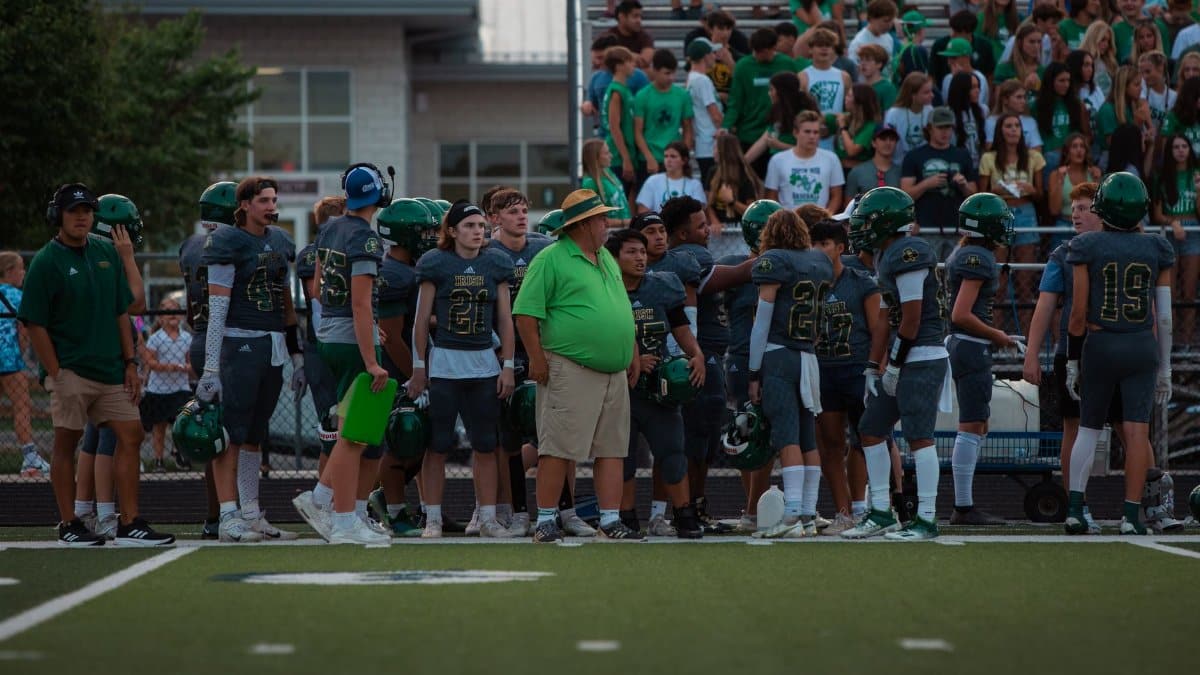
The opening kickoff of the season in Houston brings with it a familiar yet intensifying challenge for local teams as they step onto fields already baking under relentless summer skies. Players and coaches alike find themselves navigating the demands of Houston high school football heat that has grown more pronounced in recent years with forecasts calling for sustained high temperatures and elevated humidity levels throughout August and September.
Early season conditions set a demanding tone

August practices often begin before sunrise yet the air remains thick and oppressive by midmorning. Trainers monitor athletes closely for signs of fatigue while adjusting drills to shorter intervals with more frequent water breaks. Teams have reported slower adaptation periods this year compared with previous seasons as the baseline temperature refuses to drop even after sunset.
Player safety protocols receive renewed attention

Schools across the district have expanded their heat management plans to include mandatory acclimatization periods and on site medical staff during every session. Helmets come off more often between repetitions and cooling towels sit ready in shaded areas. These adjustments reflect broader awareness that young athletes face heightened risks when exertion meets extreme environmental stress.
Coaches adapt strategies to protect endurance
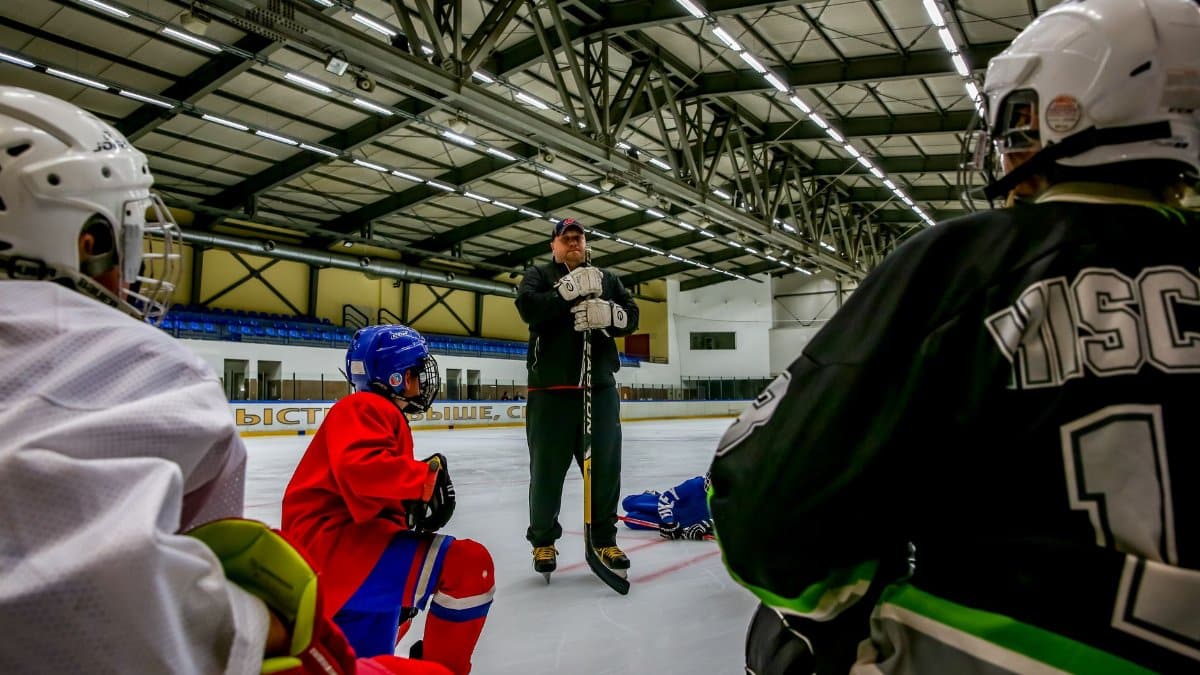
Many programs now favor lighter contact work during peak afternoon hours and shift intense conditioning to early morning or late evening slots whenever schedules allow. The focus has moved toward building aerobic capacity gradually rather than pushing for immediate peak performance. This measured approach helps reduce the number of heat related incidents while still preparing athletes for the physical grind of weekly games.
Community resources support hydration and recovery
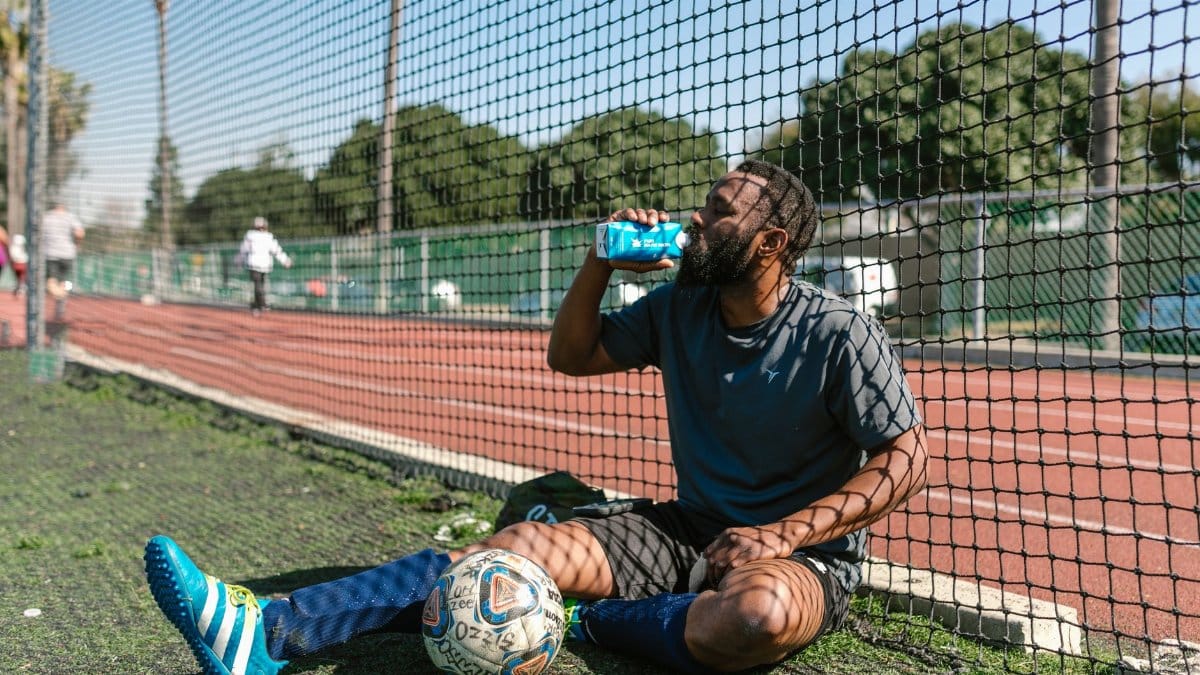
Local businesses and parent groups have stepped forward with donations of sports drinks and portable shade structures that travel with teams to away contests. Some districts have installed misting stations near practice fields to offer quick relief during breaks. These efforts create a network of support that extends beyond the coaching staff alone.
Long term climate patterns influence scheduling

Meteorologists note that Houston has seen an increase in days exceeding ninety five degrees during the traditional start of the academic year. Athletic directors weigh these trends when setting practice calendars and consider moving nonconference matchups later into the fall when possible. Such planning acknowledges that environmental factors now play a larger role in how seasons unfold.
Medical experts emphasize education for families

Pediatricians and sports medicine specialists have increased outreach to parents highlighting early warning signs of heat strain in adolescents. Workshops at community centers cover proper nutrition and sleep as factors that influence how well bodies handle high temperatures. The goal remains preventing problems before they require intervention on the field.
Equipment choices reflect awareness of heat load

Some programs have invested in lighter weight pads and breathable uniforms designed to promote airflow. While these upgrades carry higher costs they offer measurable benefits during extended time outdoors. Equipment managers work with vendors to balance protection needs against the added thermal burden that heavier gear can impose.
Regional comparisons highlight unique local pressures

Coastal humidity sets Houston apart from drier parts of the state where heat dissipates more readily after sundown. Visiting teams from inland districts sometimes struggle more than expected when facing the combination of temperature and moisture common near the Gulf. This distinction shapes how local coaches prepare opponents for the conditions they will encounter.
Season outlook depends on sustained vigilance

With Houston high school football heat expected to remain a central factor through September coaches and trainers will continue refining their daily routines. Success this year will likely hinge on consistent attention to recovery as much as on talent or strategy. The teams that manage the environment most effectively stand to gain an edge that extends beyond the scoreboard.
Broader lessons emerge from this years start

The current season offers a case study in how athletic programs respond to shifting environmental realities. Houston high school football heat has prompted conversations that reach beyond the sport itself into areas of public health and urban planning. These discussions may influence how future generations approach outdoor activities during the warmest months of the year.