
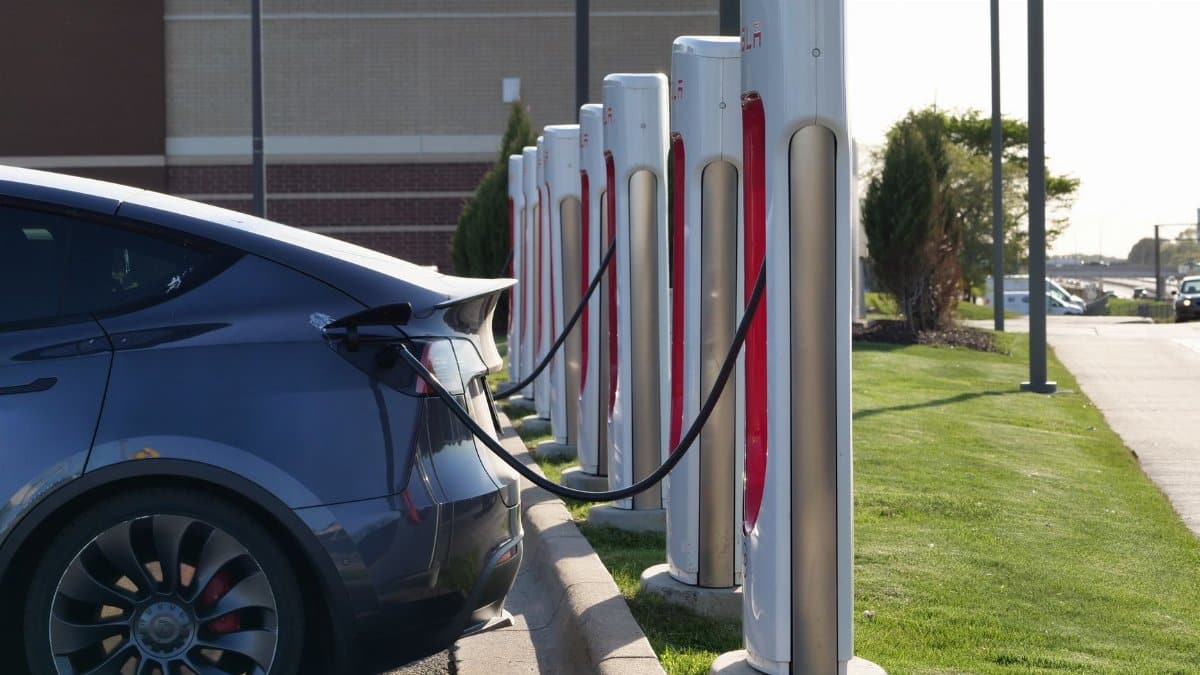
Drivers across Maryland are increasingly turning to electric vehicles for daily commutes and longer trips. This shift brings attention to the availability and reliability of Maryland EV chargers. While the state has made progress in building out its network, many areas still face limited options that can affect adoption rates. Residents in suburban and rural communities often express concerns about finding convenient locations to recharge their cars during peak travel times. Officials continue to invest in new installations to address these issues and support broader use of cleaner transportation methods. Recent counts show nearly seventeen hundred public stations in place, yet access remains uneven.
Expansion of Public Charging Options
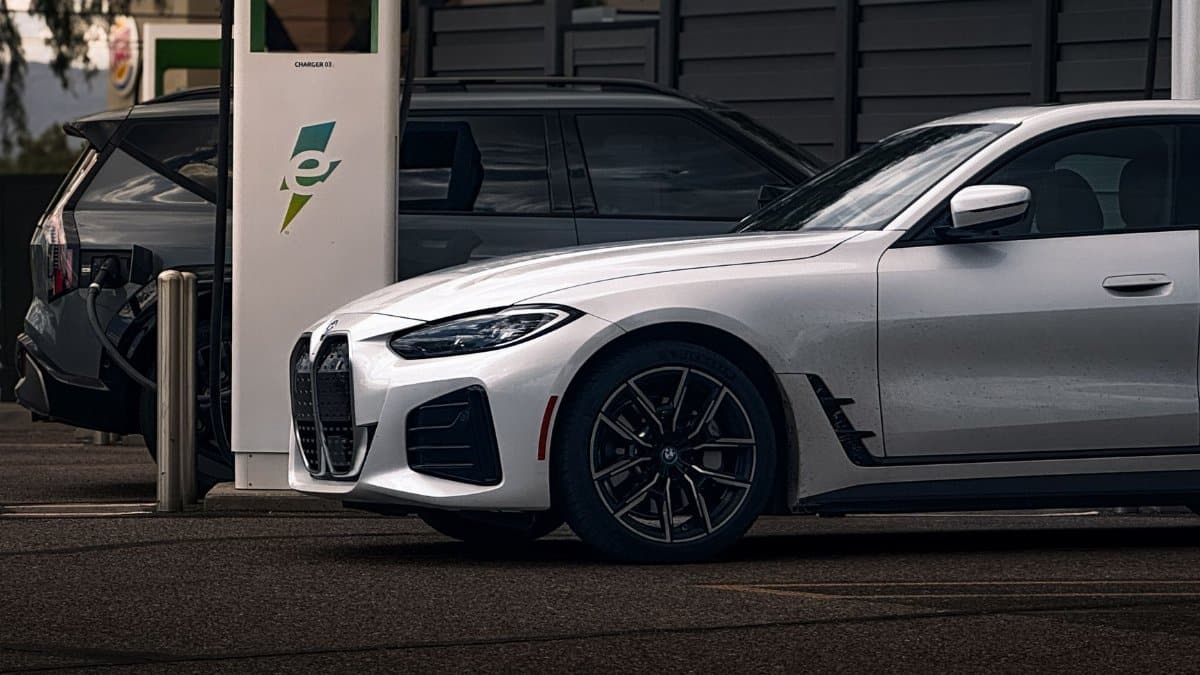
Urban zones in Baltimore and surrounding counties have seen the fastest additions to charging capacity in recent years. New sites appear at shopping centers, office parks, and transit hubs, allowing more drivers to plug in without long detours. Local utilities work with private firms to install higher power units that cut recharge times substantially. These efforts help Maryland EV chargers serve a growing fleet of vehicles on the roads each day.
Challenges in Rural Areas
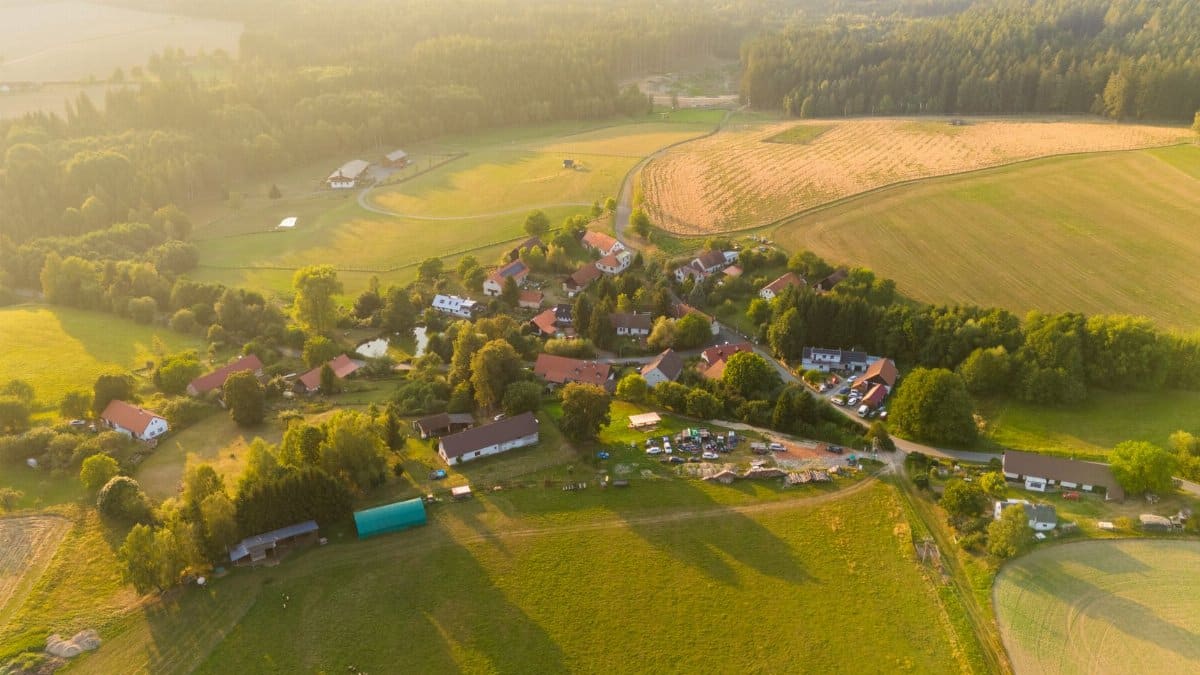
Outside major cities, coverage drops sharply, leaving drivers to plan routes with extra care. Some counties report fewer than five stations for hundreds of square miles, which discourages purchases of electric models. Terrain and lower population density raise costs for providers, slowing rollout. Communities there seek creative solutions such as shared installations at schools or fire stations to fill the voids.
Government Initiatives and Funding

State lawmakers have directed millions toward grants that speed up construction of new stations along key corridors. Federal support supplements these dollars, targeting routes that connect Maryland with neighboring regions. Programs also train technicians to maintain equipment, ensuring reliability once sites open. Such policies aim to close gaps and make Maryland EV chargers more dependable for all users.
Impact on Local Economies

Businesses near charging locations report added foot traffic from drivers who linger while vehicles refill. Restaurants and retail outlets benefit when stations sit in their lots, creating small but steady revenue streams. Property owners sometimes negotiate revenue shares with operators, turning unused space into productive assets. This pattern suggests infrastructure can stimulate activity beyond simple transportation needs.
Environmental Benefits Observed

Reduced tailpipe emissions in areas with higher electric vehicle use contribute to cleaner air, especially along busy highways. Data from monitoring stations show modest declines in certain pollutants where Maryland EV chargers see heavy daily traffic. Over time these changes support state goals for lower carbon output from the transportation sector. Wildlife corridors and watersheds also gain indirect protection as fewer fossil fuel spills occur.
User Experiences and Feedback

Drivers describe mixed results when searching for open spots during evening hours or holidays. Mobile apps help locate available units, yet real time updates sometimes lag behind actual conditions. Families on road trips appreciate faster chargers at rest areas, though they note occasional waits during peak seasons. Surveys indicate satisfaction rises when stations include lighting, shelter, and clear signage.
Future Projections for Expansion

Planners expect several hundred additional sites by the end of the decade if current funding trends hold. Focus areas include highways leading to beaches and mountains, where demand spikes seasonally. Partnerships with automakers could bring branded fast charging networks that complement public options. Continued monitoring will determine whether these additions keep pace with rising vehicle registrations.
Comparisons with Neighboring States
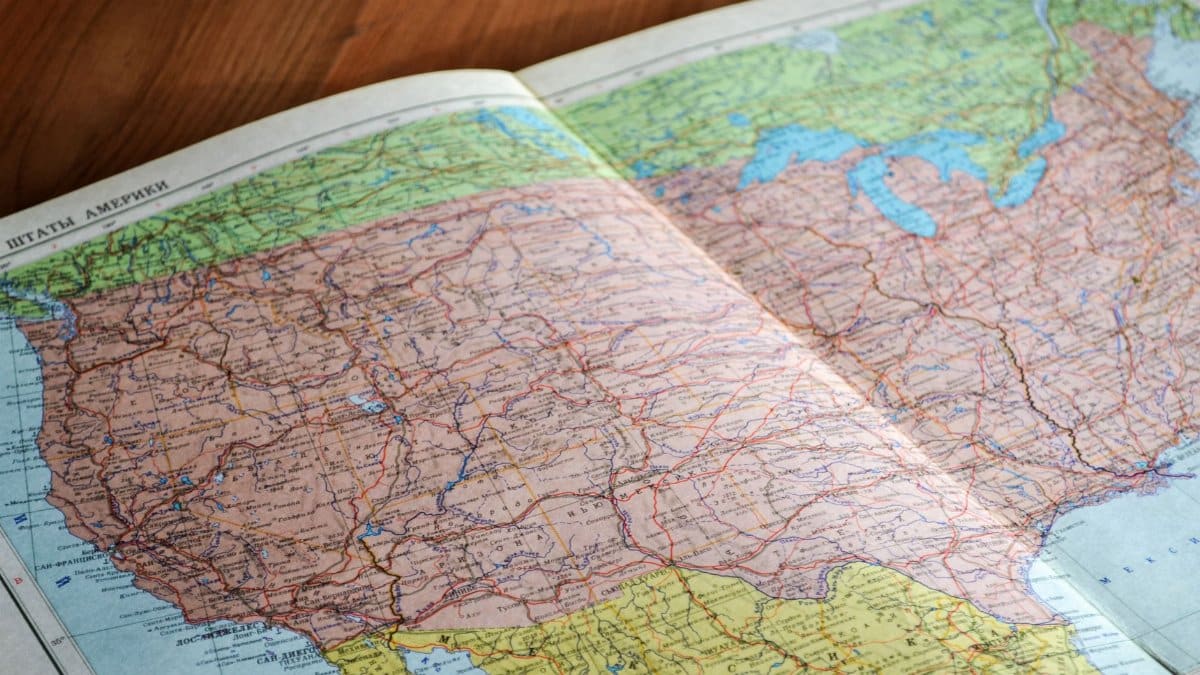
Virginia and Pennsylvania have pursued aggressive targets that sometimes outpace Maryland efforts in total stations per capita. Delaware emphasizes coastal routes that draw tourists, offering lessons in seasonal planning. Cross border coordination on major interstates could create seamless travel for electric vehicle owners moving between states. Maryland officials study these models to refine their own approaches and avoid duplication of effort.