

The Dallas Cowboys face critical roster choices as they prepare for the season ahead. With training camp approaching, the focus turns to how the team will shape its Cowboys 53-man roster amid questions at key positions. Observers note that depth charts rarely stay static, and this year brings added pressure from salary cap limits and performance expectations. The organization must balance veteran experience against emerging talent, all while keeping an eye on special teams contributions that often decide final cuts.
Quarterback Depth Faces Scrutiny

Dak Prescott remains the clear starter, yet the backup roles invite debate. Several signal callers compete for spots, each bringing different strengths in mobility and decision making. Coaches weigh recent game film against practice repetitions to determine who offers the most reliable insurance. A strong preseason could elevate one candidate above others who have lingered on the periphery.
Pass Rush Options Require Evaluation
The edge group includes established names alongside younger players seeking to prove their worth. Micah Parsons continues to anchor the unit, but supporting roles demand attention. Teams often find that rotation patterns affect injury prevention and sustained pressure throughout games. Staff members review how each prospect fits within varied defensive schemes.
Linebacker Adjustments Loom Large
Middle linebacker duties and coverage responsibilities overlap in ways that force tough selections. Veterans with proven tackling ability square off against athletes who excel in pass defense. The coaching staff examines how these pieces complement the front four during full team drills.
Secondary Roles Draw Attention

Cornerback and safety positions hold several capable athletes, yet only a limited number can dress each week. Experience in zone coverage versus man to man techniques influences final choices. Recent additions from the draft class add another layer of competition.
Offensive Line Stability Matters
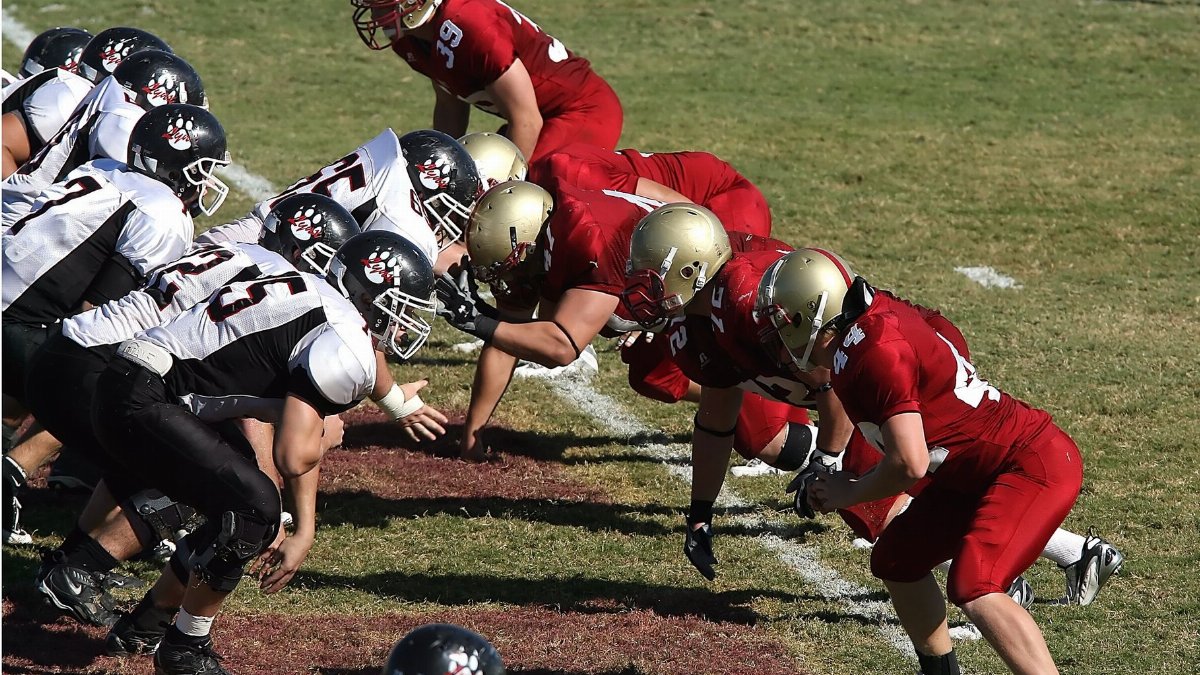
Protection for the quarterback depends on consistent starters and reliable reserves. Injuries have altered plans in past years, prompting the front office to prioritize versatility. Players who can shift between guard and tackle spots gain an advantage in these evaluations.
Running Back Committee Considerations
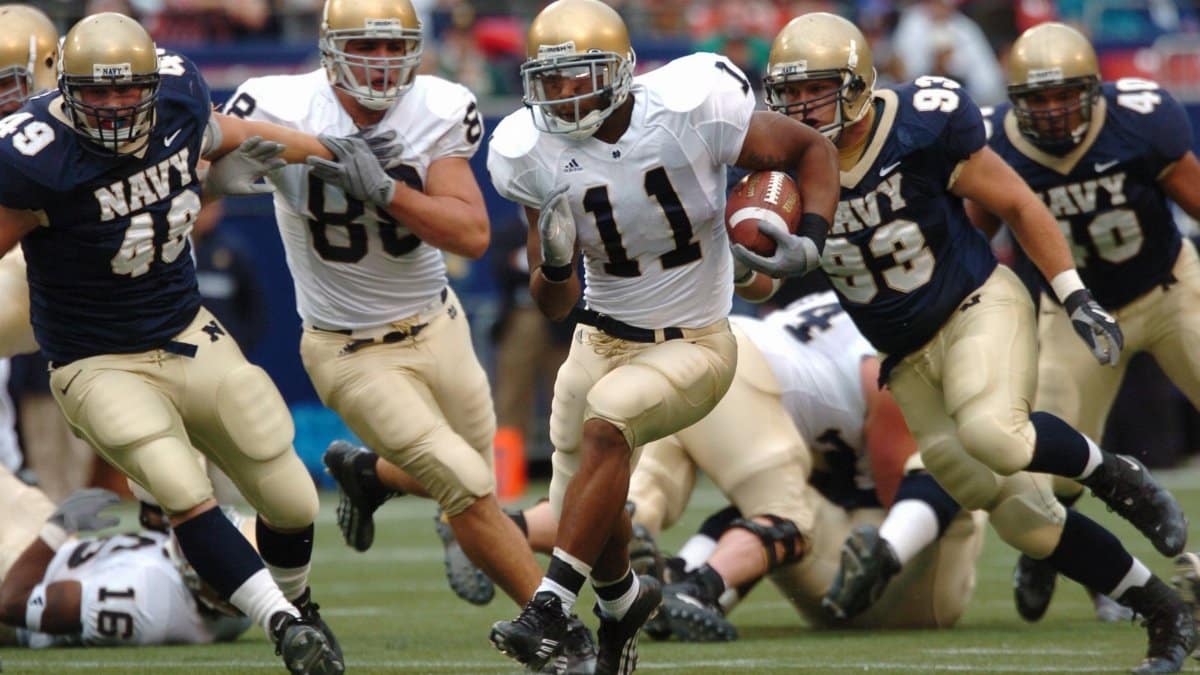
The ground attack relies on a mix of power runners and those who contribute in the passing game. Workload distribution helps maintain freshness over a long schedule. Special teams duties further complicate which backs secure their places.
Wide Receiver Battles Intensify
Speed and route precision define the group, with several targets fighting for targets in practice. Chemistry with the starting quarterback develops through repeated sessions. Depth here proves essential when injuries strike during the regular season.
Tight End Versatility Tested
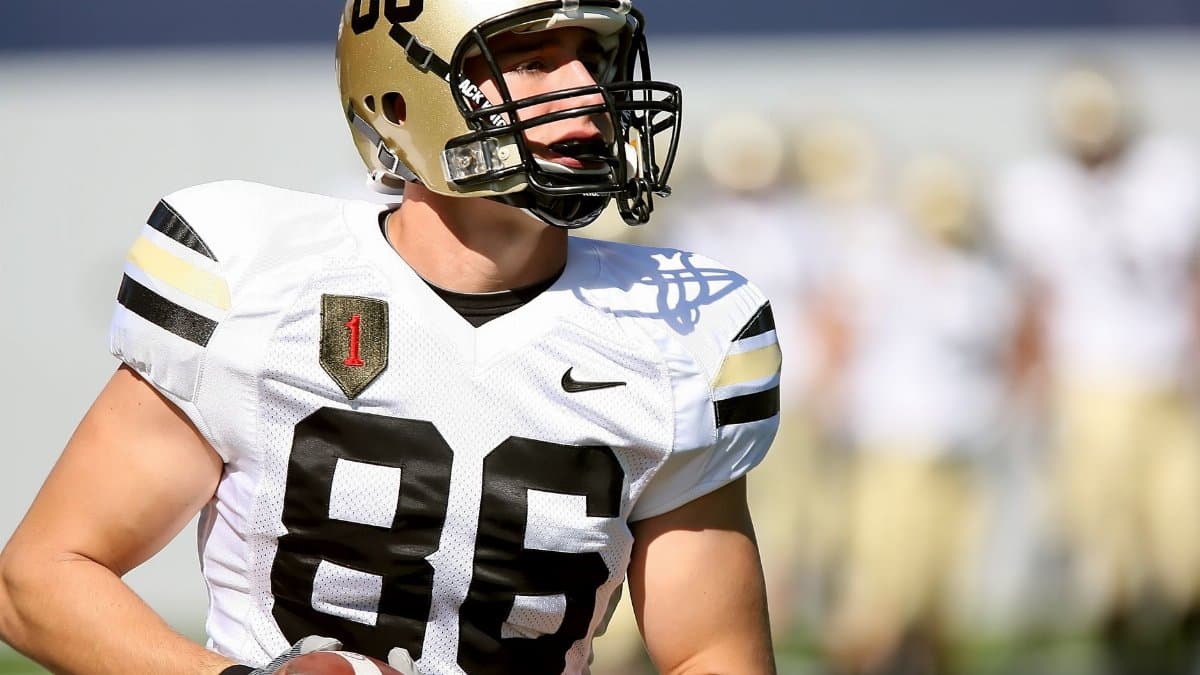
Blocking assignments and receiving skills combine to determine who stays. The position often serves as an extension of the line while creating mismatches downfield. Coaches track how each player handles these dual demands.
Special Teams Contributions Count

Kicking, punting, and return units require dedicated specialists who rarely appear on offense or defense. These roles influence field position and scoring margins in close contests. Final roster decisions frequently hinge on reliability in these areas.
Practice Squad Implications

Players who fall short of the active roster may still land on the practice squad for further development. This option allows the team to retain promising talent without immediate activation. Monitoring trends across the league helps gauge availability.