
In the fast paced world of heart medicine a single invention can shift survival rates for thousands. David Cannom stood at the center of that shift through decades of work on devices that monitor and correct dangerous rhythms. Colleagues recall a doctor who balanced deep technical skill with a steady focus on patient needs. The David Cannom cardiologist obituary captures both the reach of his contributions and the quiet close of a long career spent in Los Angeles hospitals and research labs.
Roots in Southern California Medicine

David Cannom grew up in the region he would later serve. Local clinics and early hospital roles gave him direct exposure to cases where heart rhythm problems led to sudden loss. Those experiences shaped a lifelong drive to find reliable tools that could act inside the body before a crisis struck.
Training That Built a Technical Foundation
Medical school and specialty work in cardiology placed Cannom amid emerging ideas about electrical signals in the heart. Mentors encouraged questions about how devices might sense trouble and respond in real time. This period laid groundwork for later projects that moved from theory into working implants.
Arrival of Implantable Defibrillators
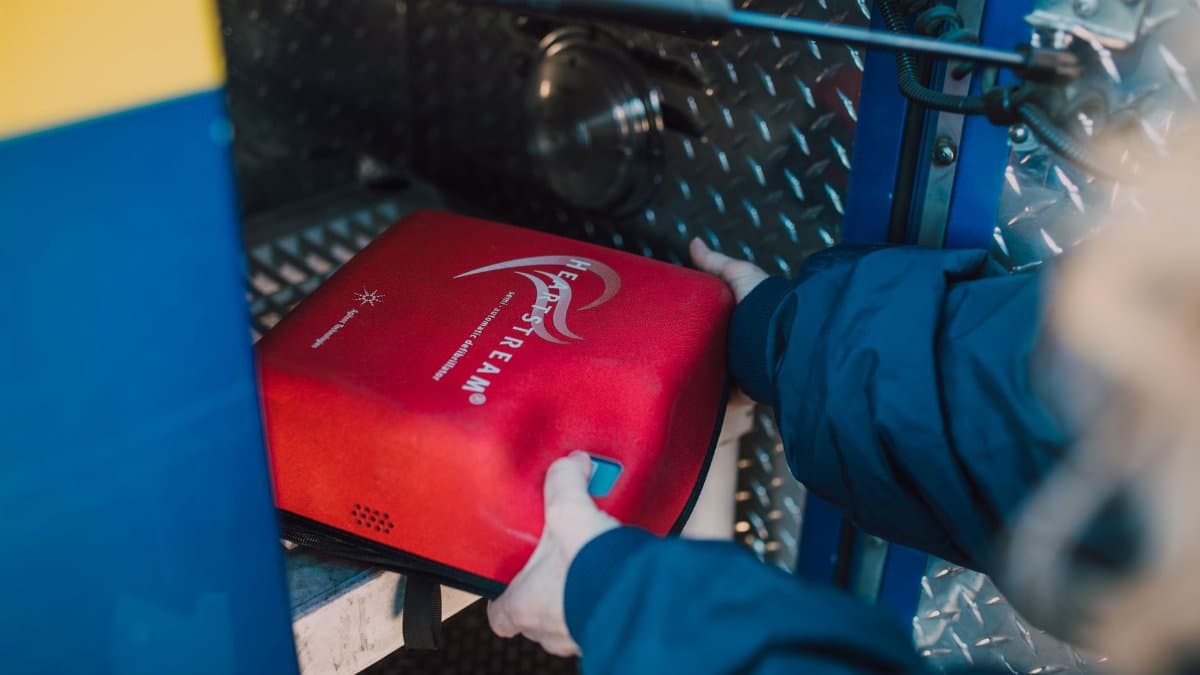
Early versions of these devices faced size and power limits that made them impractical for most patients. Cannom joined teams that refined sensors and batteries until the units could sit under the skin and last for years. Clinical trials showed clear drops in sudden death rates among high risk groups.
Partnerships Across Hospitals and Labs
Progress required steady ties between academic centers and device makers. Cannom helped bridge those worlds by translating bedside observations into engineering specs. Regular meetings kept the focus on safety data and long term follow up for every recipient.
Teaching the Next Generation of Specialists

At Los Angeles teaching hospitals Cannom led rounds and lectures that stressed both the promise and the limits of new technology. Fellows learned to weigh device benefits against infection risks and the need for careful programming. Many went on to lead programs of their own.
Research Papers and Conference Impact

Published studies from his groups tracked outcomes across large patient sets. Data showed steady gains in battery life and fewer inappropriate shocks. At major meetings he often moderated sessions that let competing ideas surface without personal attacks.
Family Perspective on a Public Career

Those closest to Cannom describe evenings when hospital calls interrupted meals yet also recall his habit of checking on former patients years after procedures. The balance between professional demands and private life remained a quiet priority throughout his later decades.
Broader Changes in Heart Rhythm Care
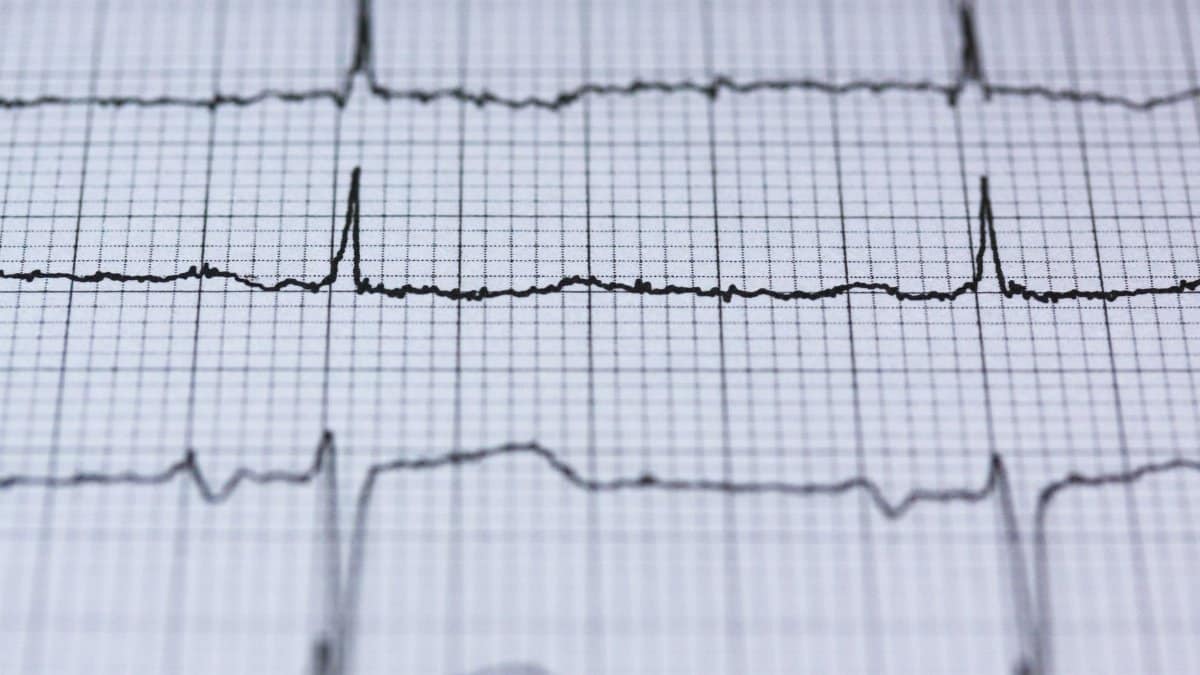
Over time defibrillators moved from last resort options to standard consideration for certain diagnoses. Guidelines evolved in part because of evidence Cannom and similar investigators supplied. Insurers began covering the devices once survival statistics became hard to ignore.
Reflections Shared in Later Interviews

In conversations near the end of his active years Cannom noted how far the field had come since the first bulky prototypes. He also pointed to remaining gaps such as access in smaller communities and the need for better prediction tools that could flag trouble before any device fires.
Legacy Measured in Lives and Standards

The David Cannom cardiologist obituary arrives as hospitals continue to use and refine the tools he helped bring forward. Current teams cite his insistence on rigorous testing as a model for new projects. That emphasis on evidence over speed still guides training programs across the country.