
California has taken a notable step to shield immigration nonprofit workers from online harassment and threats. With the recent signing of new legislation by Governor Gavin Newsom, these advocates now qualify for address confidentiality measures that were once limited to narrower groups. The Safe at Home expansion reflects growing recognition of the risks faced by those assisting vulnerable communities amid heightened public debates over border policies.
Background on address confidentiality programs

Address confidentiality initiatives have existed in California for years to help people escape dangerous situations. Participants receive a substitute mailing address through the state, which keeps their actual residence hidden from public records. This approach has proven useful for survivors of domestic abuse and stalking, allowing them to maintain daily routines without constant fear of being located.
Why immigration advocates face unique pressures
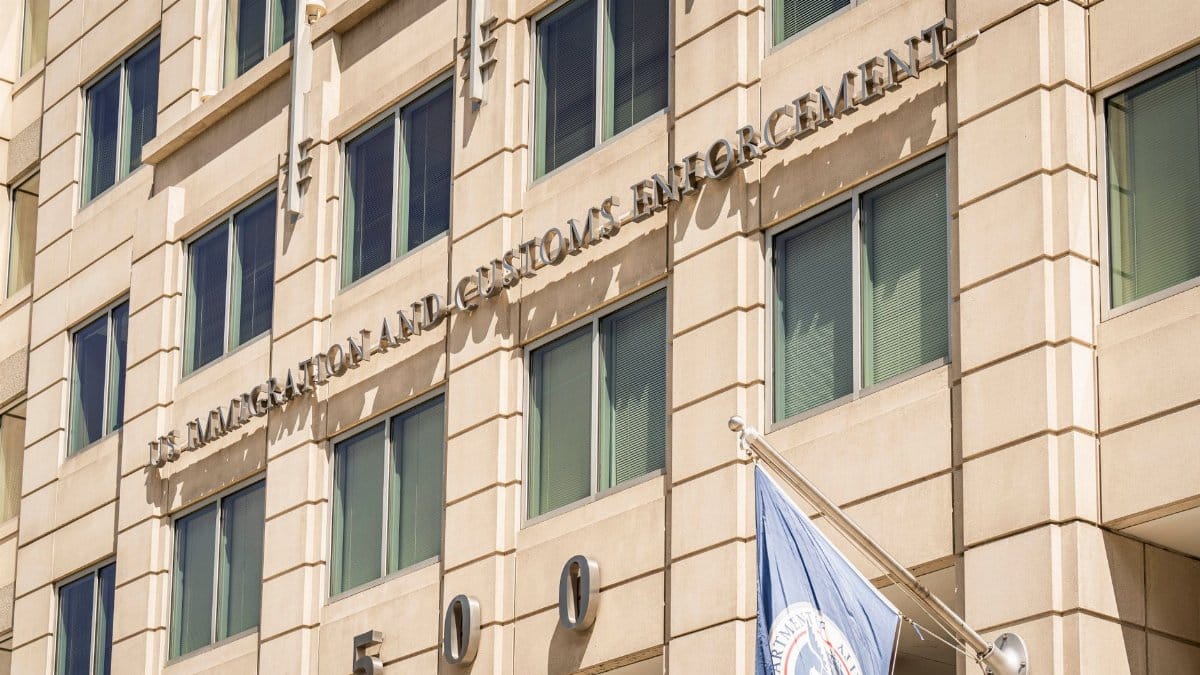
Workers at immigration focused nonprofits often handle sensitive cases involving asylum seekers and families in transition. Their public roles can draw attention from individuals or groups opposed to their efforts, leading to personal information being shared online without consent. Such exposure has prompted many to seek greater privacy safeguards as part of their professional duties.
Details of the new legislation

The bill extends eligibility for the state program to employees and volunteers at qualifying immigration organizations. It requires verification of employment and a demonstrated need for protection. Officials expect this change to cover several hundred additional participants in the coming year, broadening access to a service previously unavailable to this category of public facing staff.
Reactions from advocacy groups

Organizations that support immigrants welcomed the measure as a practical response to documented incidents of harassment. Leaders noted that staff members have received threatening messages and had home addresses circulated on social media platforms. They view the update as validation that these roles carry real personal risks requiring official intervention.
Implementation challenges ahead

State agencies must now update application processes and train staff to handle the new applicant pool. Nonprofit directors anticipate some administrative hurdles, such as gathering required documentation quickly. Still, many express optimism that the framework will integrate smoothly once initial procedures are established across relevant departments.
Broader context of online threats

Doxxing incidents have risen across various professions tied to contentious social issues. Immigration work sits at the center of national discussions, which can amplify individual targeting. Lawmakers cited similar protections in other states as models when crafting the California version, aiming to keep pace with evolving digital safety concerns.
Potential effects on recruitment and retention

Some observers suggest the added layer of privacy could encourage more people to enter or remain in immigration related fields. Burnout from safety worries has been cited as a factor in staff turnover at smaller agencies. With these measures in place, organizations may find it easier to attract candidates who previously hesitated due to personal exposure risks.
Looking forward for similar reforms

Advocates hope the California action inspires parallel efforts elsewhere. Discussions have already begun in other legislatures about adapting address confidentiality rules to additional frontline roles. As public discourse on immigration continues, such policies may become standard tools for protecting those who facilitate community support services.