

After a decisive ruling from the states highest court cleared lingering obstacles, Boston Mayor Michelle Wu stood before supporters to declare that work on the long planned venue can proceed without pause. The decision resolved a drawn out challenge that had threatened timelines and budgets for what locals increasingly refer to as Wu White Stadium. Observers noted the mayors measured yet upbeat tone as she framed the outcome as validation of years of planning and community input. With construction crews now set to begin site preparation in earnest, city officials described a renewed sense of momentum that extends beyond the sports facility itself. The project promises new public spaces, improved transit links, and economic activity in a neighborhood long overlooked by major investment. Wu emphasized that the court victory allows Boston to focus on delivery rather than defense.
Background on the Stadium Project Origins
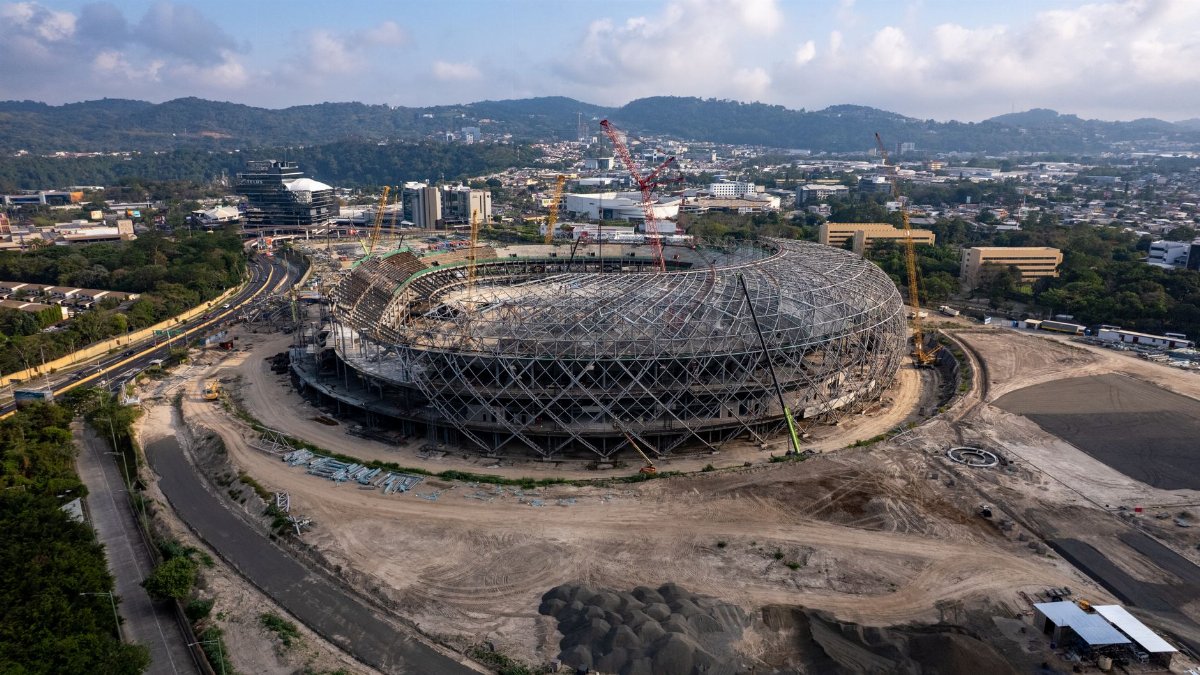
The effort to modernize the aging facility dates back more than a decade, rooted in studies that highlighted structural concerns and limited capacity. Early proposals emphasized mixed use development that would serve both professional teams and community programs. Over successive administrations, the vision expanded to include affordable seating options and green infrastructure aimed at reducing environmental impact.
Details of the Supreme Judicial Court Decision
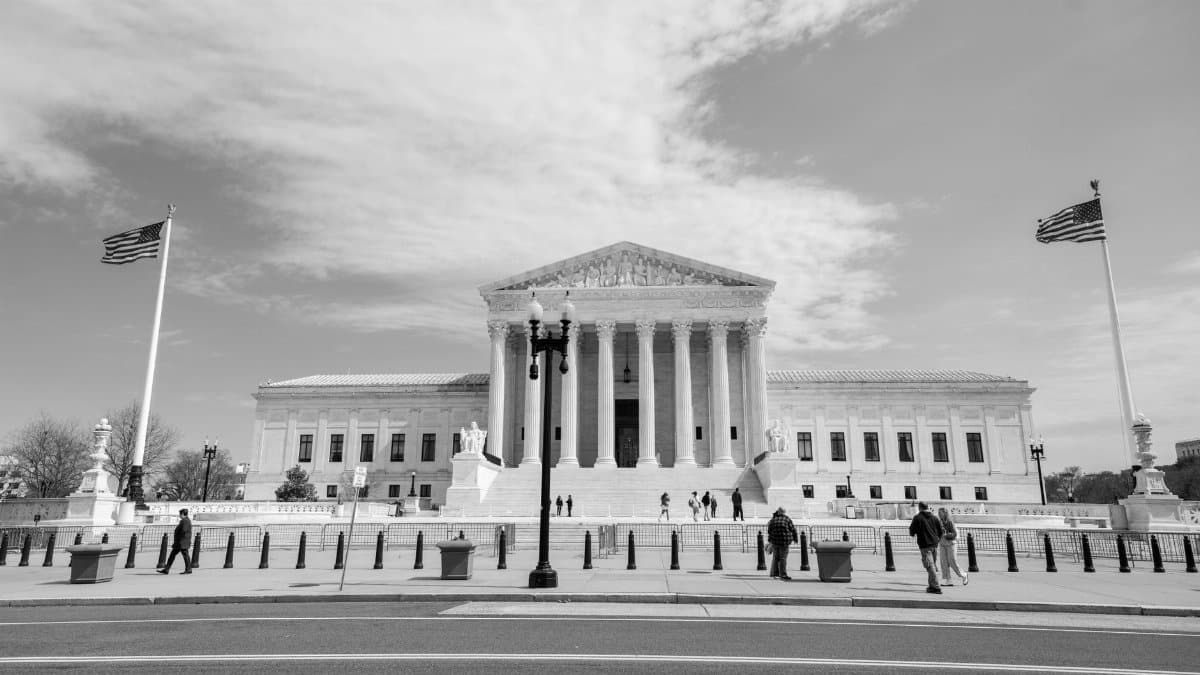
In its unanimous opinion the court rejected claims that procedural shortcuts had undermined public review processes. Justices affirmed that city agencies had followed required steps for environmental assessments and land use approvals. Legal analysts viewed the outcome as a precedent that could streamline similar infrastructure efforts statewide.
Public Response and Community Reactions
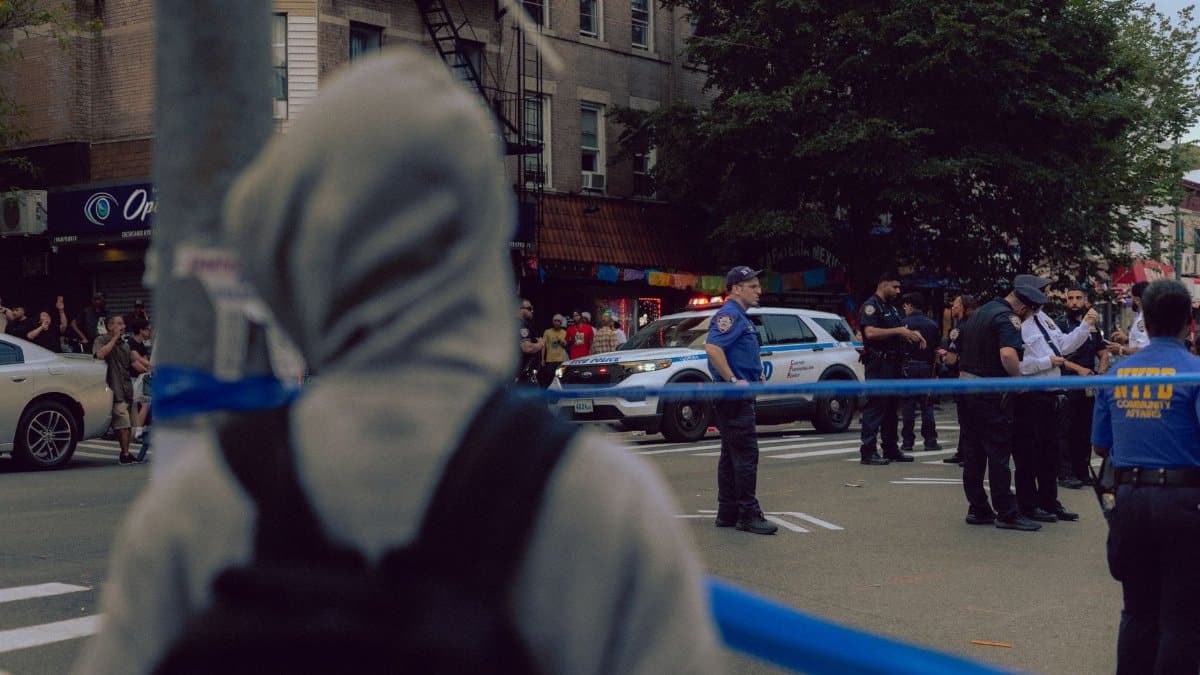
Residents near the site expressed relief mixed with cautious optimism. Many cited promises of local hiring and youth sports access as reasons for their support. Small business owners anticipated increased foot traffic once events begin, though some voiced concerns over traffic management during peak times.
Wu Leadership Style in Navigating Challenges

Throughout the litigation the mayor maintained a steady focus on coalition building across city departments and external partners. Her approach blended public advocacy with behind the scenes negotiations that kept stakeholders aligned. This method appears to have contributed to the final positive result.
Economic Projections Tied to the Venue
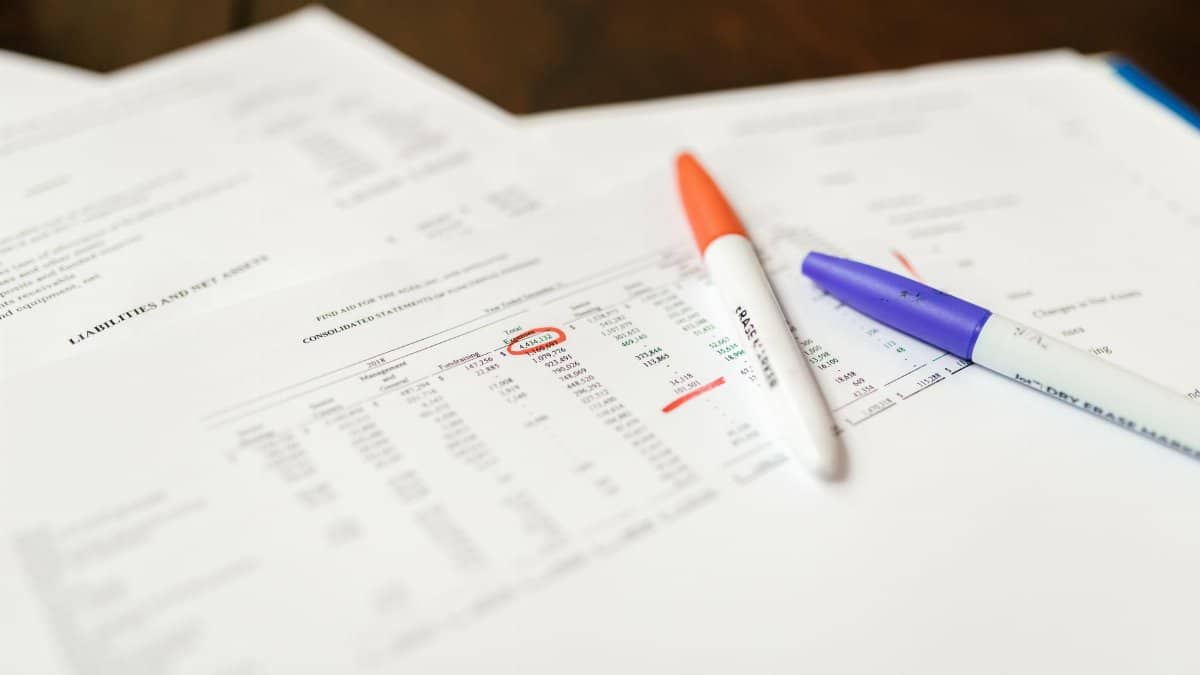
Independent forecasts suggest the completed complex could generate several hundred jobs during construction and dozens of permanent positions afterward. Revenue from events is expected to offset operational costs while supporting nearby commercial corridors. City budget documents project a modest but measurable boost to property values in adjacent blocks.
Environmental and Design Features Planned

Architectural plans incorporate extensive native landscaping, rainwater collection systems, and energy efficient lighting. Designers aimed to meet or exceed current sustainability standards for public buildings. These elements reflect broader city goals around climate resilience.
Next Steps for Construction Timeline
Site work is scheduled to start within weeks, beginning with utility relocation and foundation preparation. Project managers have established quarterly progress reports to maintain transparency with the public. Completion remains targeted for the middle of the decade provided no new delays arise.
Broader Implications for City Infrastructure
The resolution may influence how Boston approaches future large scale developments, particularly those involving public private partnerships. Advocates argue it demonstrates the value of thorough early planning. Critics continue to watch for signs that community benefits will be fully realized once operations commence.