
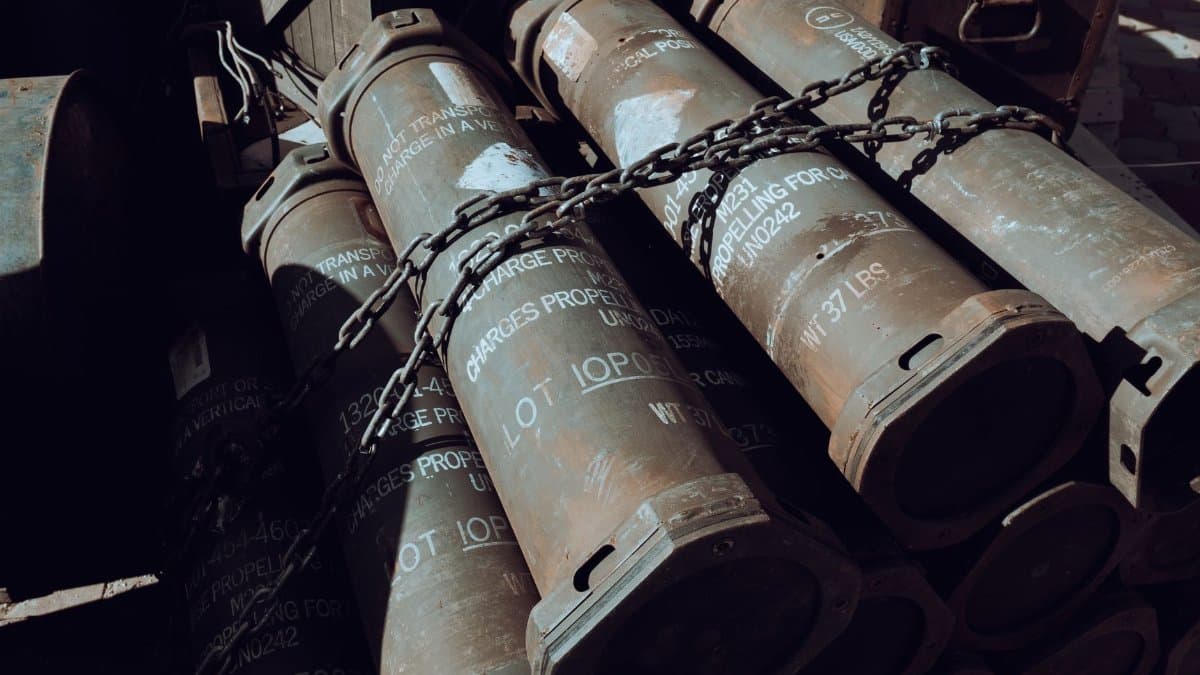
In the quiet suburbs north of Baltimore an unexpected relic from a tense period in American history has become a point of fascination for locals and tourists alike. A restored Cold War missile site now welcomes hundreds of visitors each month who come to walk the grounds and hear stories of vigilance during a time when global tensions shaped daily life across the nation.
Historical Context of the Era

During the middle of the twentieth century the United States invested heavily in air defense systems to guard against potential aerial threats. Sites like this one formed part of a larger network positioned around major cities. Personnel lived on site ready to respond at a moments notice. The routines involved constant drills and maintenance of equipment that stood ready through shifting political climates. Many veterans recall the isolation mixed with a strong sense of duty that defined their service at such posts.
Location and Strategic Importance

Baltimore County offered a logical placement due to its proximity to industrial centers and population hubs. The elevated terrain allowed for clear radar coverage extending toward the coast. Engineers selected the spot after careful surveys that weighed response times against concealment needs. Today the same geography draws historians who map how the layout fit into broader defense strategies of the period.
Restoration Efforts Underway

Local preservation groups have spent years returning buildings and launch areas to their original appearance. Funding came from state grants and private donations aimed at keeping physical reminders intact. Workers replaced deteriorated structures while preserving original concrete foundations. The process required detailed research into period photographs and military records to ensure accuracy in every detail.
Visitor Experiences on Tours

Guided walks take groups through barracks control rooms and the remnants of missile batteries. Participants often pause to imagine the daily life of soldiers stationed there. Volunteers share anecdotes collected from former personnel which add personal layers to the technical explanations. Many guests leave with a deeper appreciation for how ordinary communities contributed to national security measures during uncertain times.
Educational Value for New Generations

Schools in the region now incorporate visits into history curricula to illustrate concepts of deterrence and international relations. Students examine artifacts and listen to recorded interviews that bring abstract events into focus. The site serves as a tangible link between textbook accounts and real world decisions made decades ago. Organizers note rising interest from younger audiences seeking context on past conflicts.
Comparisons With Similar Sites Nationwide

Other restored installations across the country share common features yet each reflects unique regional adaptations. This location stands out for its intact support buildings and accessible public programs. Researchers compare operational logs from multiple facilities to trace patterns in training and equipment upgrades. Such studies highlight both the uniformity and the localized variations in how the defense network operated.
Impact on Local Community

Residents in surrounding neighborhoods have embraced the site as a cultural asset that attracts outside interest. Small businesses nearby report increased foot traffic on tour days. Annual events hosted at the grounds foster gatherings that blend remembrance with community engagement. Property values in the area have remained stable partly due to the positive attention surrounding the preservation project.
Future Preservation Plans

Officials are exploring expansions that would add interpretive centers and improved pathways for accessibility. Partnerships with universities could support ongoing research into the sites role within larger military frameworks. Long term goals focus on sustainable maintenance that protects the structures while accommodating growing numbers of curious visitors. The effort continues to evolve as new details emerge from archival sources.