
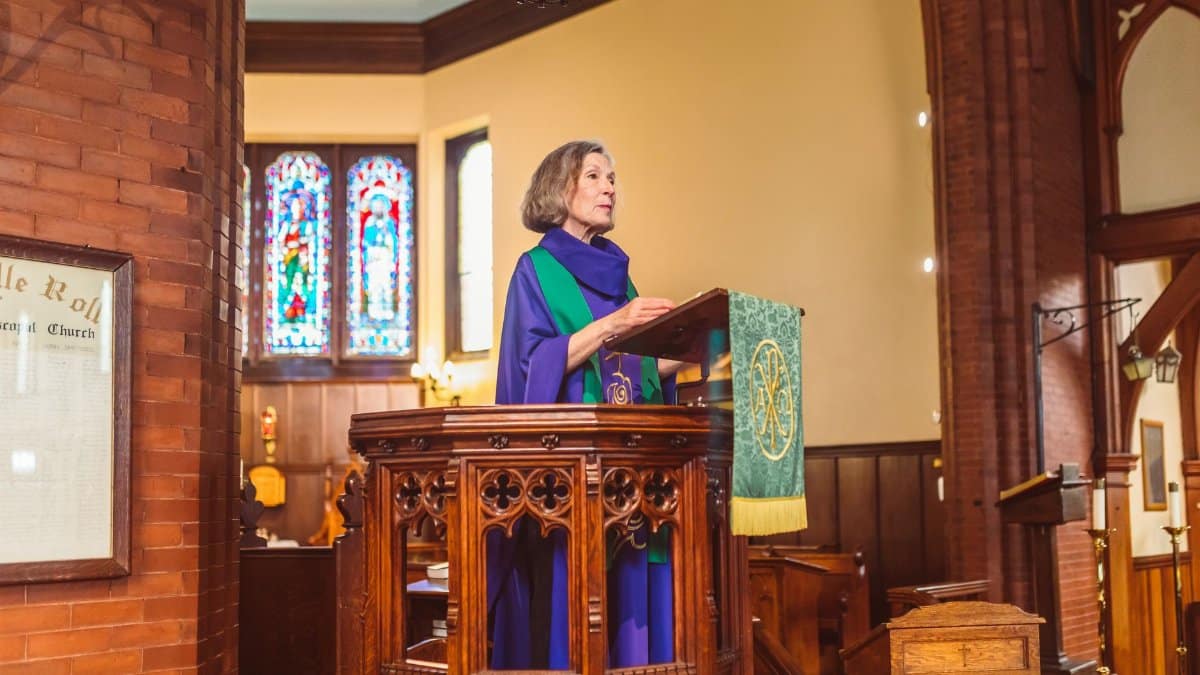
In Dallas Texas a prominent Methodist church finds itself embroiled in a leadership conflict that has captured the attention of the faithful across the region. The local council has taken steps to assert its independence from the bishop overseeing the area. Observers see this as part of larger debates about authority in church structures. The Highland Park UMC dispute serves as a focal point for these discussions as participants seek resolution through dialogue and legal channels.
Historical Context of Methodist Governance
Methodist traditions have long emphasized a balance between local congregations and regional oversight. This structure evolved over centuries to promote unity while allowing some autonomy at the parish level. Recent events show how such arrangements can lead to friction when interpretations differ on key matters of policy and property.
Details of the Current Leadership Challenge

The council at the Dallas church voted to limit the influence of the bishop in daily operations. This move came after months of private meetings and consultations with legal advisors. Supporters of the council argue that local voices deserve more weight in decisions that affect their community directly.
Reactions from Church Members
Many longtime attendees expressed surprise at the public nature of the disagreement. Some voiced support for greater local control while others worried about potential division within the larger denomination. Personal stories shared in meetings revealed deep emotional ties to the institution and its future direction.
Role of Legal Proceedings

Court documents filed in the case outline claims regarding authority and decision making rights. Lawyers on both sides have presented arguments based on church bylaws and historical precedents. The process could extend for months as evidence is reviewed and witnesses are called.
Broader Implications for Religious Institutions

Such disputes reflect ongoing shifts in how faith groups manage internal power dynamics. Similar cases have arisen in other denominations facing membership changes and cultural pressures. Analysts suggest these conflicts may prompt reviews of governance models nationwide.
Perspectives from Denominational Leaders
The bishop involved has maintained a focus on preserving unity and following established procedures. Statements from the regional office emphasize the value of collective decision making. Other bishops have offered varied responses ranging from caution to calls for reform.
Community Impact and Future Outlook

Local programs and outreach efforts continue despite the uncertainty. Members report that worship services remain well attended though conversations often turn to the ongoing matter. Resolution may require compromise that satisfies both local and regional concerns while setting precedents for similar situations. The Highland Park UMC dispute continues to unfold with potential lessons for faith communities everywhere.