
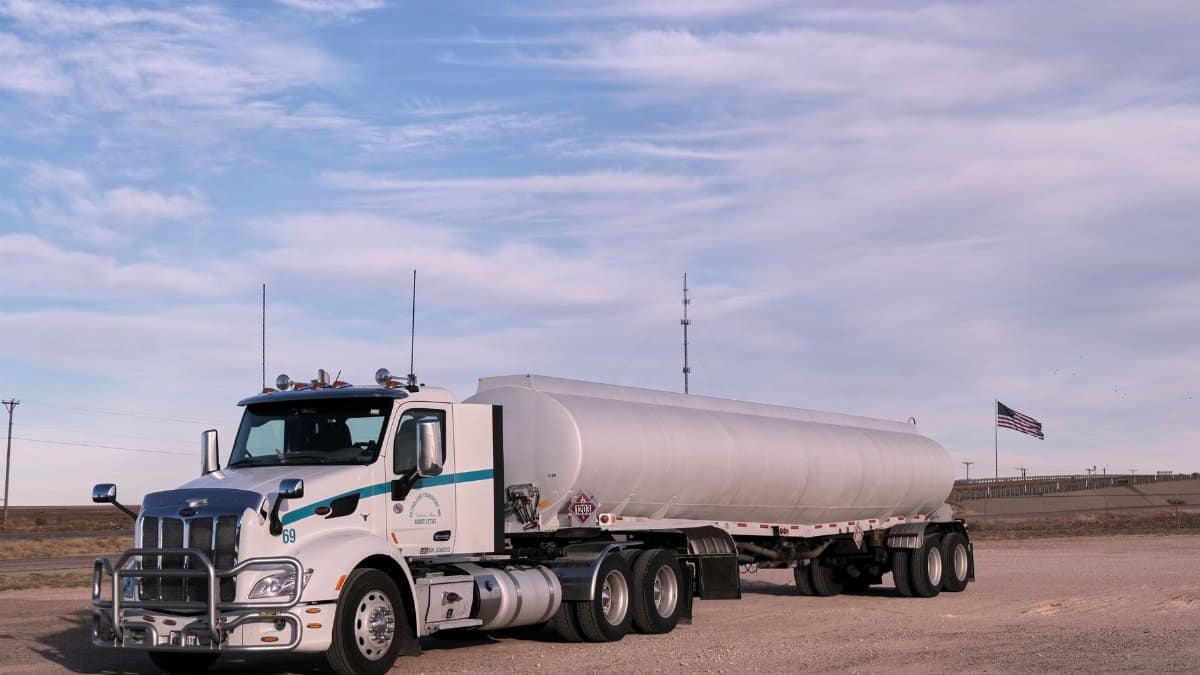
In a quiet moment at one of the busiest ports of entry along the southern frontier, federal agents stopped a commercial truck carrying what appeared to be an ordinary load of cleaning supplies. A closer look revealed something far more troubling hidden inside those containers, drawing fresh attention to the persistent flow of Texas border drugs and the lengths traffickers will go to evade detection.
Details Behind the Recent Discovery

Officers at the crossing found packages tucked among detergent boxes that held methamphetamine and other controlled substances valued at roughly 9.5 million dollars. The seizure came after routine screening equipment flagged the shipment for further review. Agents worked methodically through the load and uncovered multiple bundles wrapped in plastic and fabric softener sheets to mask any odor. Such tactics reflect the ongoing cat and mouse game at these checkpoints where smugglers constantly adjust their methods.
How Concealment Techniques Have Evolved

Over time those moving Texas border drugs have shifted from simple hidden compartments to more elaborate disguises like everyday consumer goods. Detergent offers an advantage because its strong scent can interfere with canine units and scanning devices. Agents report that traffickers now experiment with layered packaging and altered product formulas to reduce the chance of discovery during quick inspections.
Role of Commercial Traffic in These Cases

High volumes of legitimate freight cross daily and create cover for illicit loads. Drivers often claim no knowledge of the hidden items and may receive payments far below the street value of what they carry. This pattern complicates enforcement because separating lawful commerce from criminal activity requires time and resources that remain limited at busy facilities.
Effects on Nearby Communities

Residents living close to major crossings describe a mix of economic reliance on trade and concern over the social costs tied to Texas border drugs. Local hospitals and treatment centers see rising cases of addiction while schools report increased demand for counseling programs. Business owners note that repeated news of large seizures can deter some visitors even as cross border shopping remains vital to the regional economy.
Coordination Among Agencies

Success in cases like this one depends on joint efforts between customs officers, state police and federal investigators. Information sharing across jurisdictions allows patterns to emerge that single agencies might miss. Training programs now emphasize both technology use and behavioral observation to spot anomalies in driver responses during secondary questioning.
Challenges With International Supply Chains
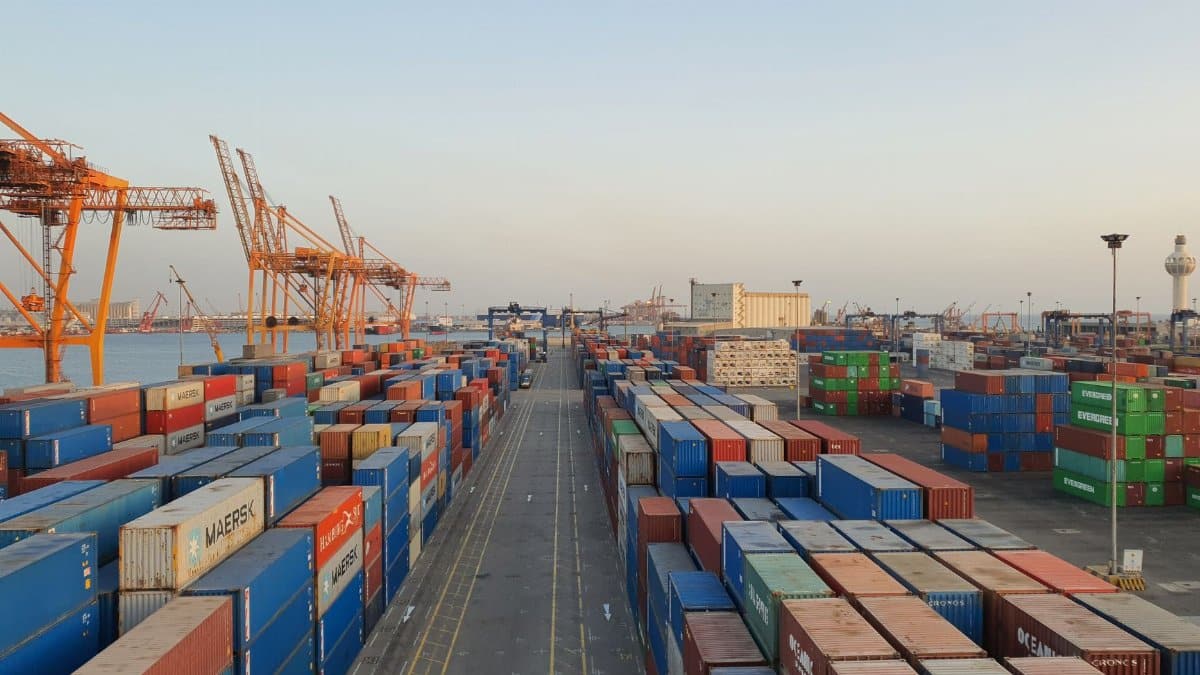
Many of the substances originate in clandestine labs across the border and travel through established distribution networks before reaching the United States. Precursor chemicals often come from distant manufacturers and change hands several times which makes tracing the full path difficult. Diplomatic channels remain essential for disrupting production at its source rather than only intercepting finished product at the line.
Public Health Dimensions

Beyond enforcement the arrival of potent synthetic drugs fuels overdoses and strains emergency services in towns across Texas. Outreach workers distribute naloxone and educational materials in areas where use has risen sharply. Data from state health departments show that Texas border drugs contribute to a larger national picture of shifting consumption habits away from plant based substances toward laboratory created ones.
Economic Pressures on Enforcement Budgets

Each successful stop requires personnel hours equipment maintenance and laboratory testing that add up quickly. Lawmakers weigh these expenses against the street value of seized goods when setting annual allocations. Some propose increased technology investment while others call for more officers on the ground to handle the daily flow without creating lengthy delays for regular travelers.
Looking Ahead at Policy Options

Discussions continue in state and federal capitals about adjusting inspection protocols and expanding partnerships with private carriers. Proposals include better data analytics to predict high risk shipments and incentives for companies that adopt stricter internal security measures. Observers caution that no single change will eliminate the problem of Texas border drugs but incremental improvements may reduce the overall volume that gets through.