

Residents across Minneapolis are preparing for significant changes in their annual bills as local leaders debate new revenue measures. The Property tax hike stands at the center of discussions surrounding Mayor Frey budget proposal. Many property owners could see their obligations rise by twenty percent or more even as the overall levy increase sits at eleven point three percent. This disparity arises because of shifts in assessed values and how the city distributes the tax burden among different types of properties. Local officials point to rising costs for public safety and infrastructure as the main drivers behind the need for additional funds.
Shifts in Property Assessments Fuel Uneven Tax Burdens

Recent reevaluations of home values have placed greater weight on certain neighborhoods where prices climbed rapidly in recent years. This approach means some owners shoulder a larger share of the total levy than others even when the citywide rate grows at a slower pace. City analysts explain that properties in high demand areas absorb more of the load to balance the budget without raising rates across the board. Such adjustments aim to reflect current market conditions yet they create noticeable differences in what individual households pay each year.
City Council Members Weigh Options for Relief
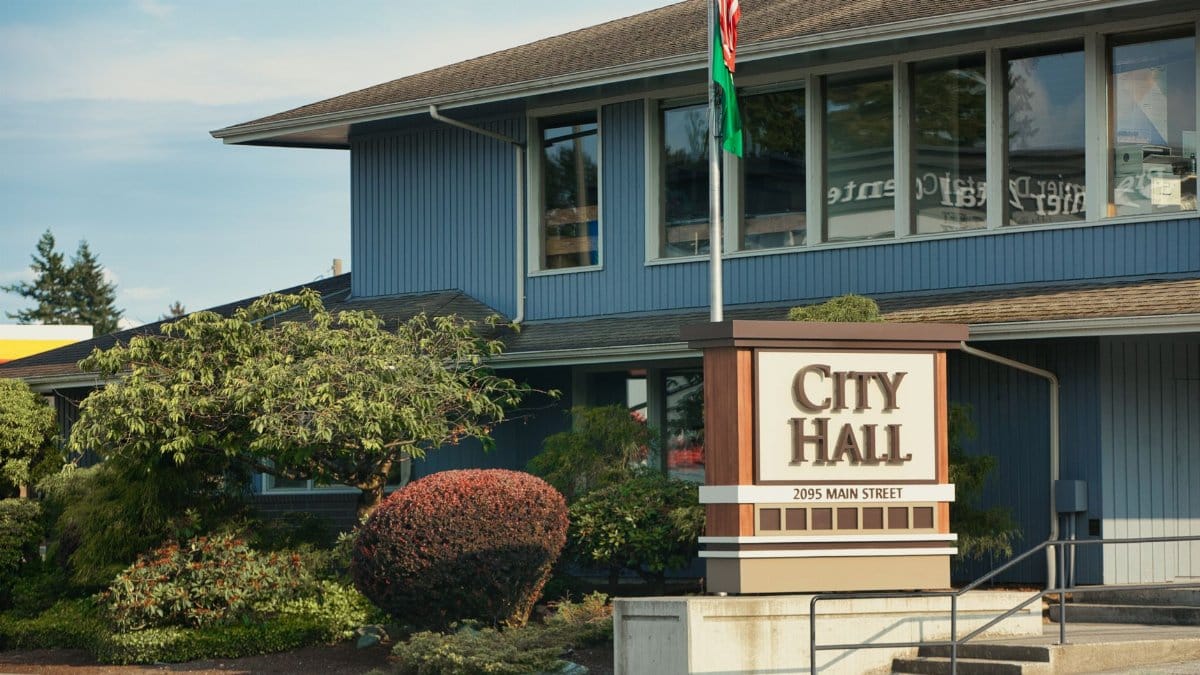
During recent meetings several council members raised concerns about the scale of increases facing long term residents. They discussed possible measures to ease the load such as expanded deferral programs or adjustments to how commercial properties contribute. Proponents argue these steps could prevent displacement in established communities while still meeting revenue goals. Critics counter that any delay in collections might force deeper cuts elsewhere in city operations.
Effects on Residents Living on Fixed Incomes
Older adults and others with steady but limited resources express worry about how larger bills will fit into tight monthly budgets. Many have owned their homes for decades and now face choices between paying the new amounts or reducing spending on health care and groceries. Community groups have begun offering workshops to help people navigate appeals and understand their options under the current proposal.
Comparisons With Nearby Suburban Communities
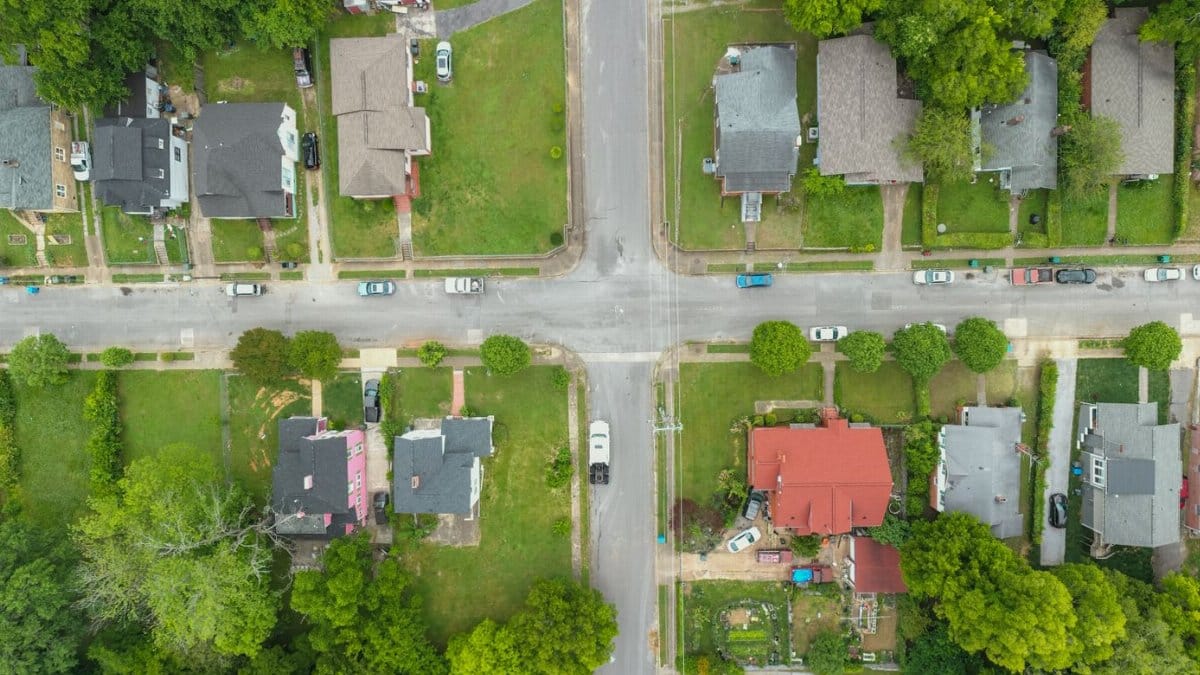
Neighboring areas outside Minneapolis have adopted different strategies for managing their own revenue needs. Some suburbs kept increases closer to overall levy growth by spreading costs more evenly or tapping reserves. Observers note that Minneapolis unique mix of commercial and residential properties makes direct comparisons difficult yet the twenty percent jumps stand out as higher than most surrounding locales this cycle.
Potential Changes to Local Services Under New Funding

Supporters of the budget plan highlight how added revenue would support expanded transit routes and park maintenance. They say these investments benefit all residents by improving quality of life and attracting new businesses. Detractors worry that the focus on property based revenue could limit flexibility if economic conditions shift and collections fall short of projections.
Historical Patterns in Local Revenue Collection

Over the past decade Minneapolis has seen periodic spikes in tax obligations tied to major infrastructure projects and rising labor costs. Past cycles often included temporary measures that later became permanent parts of the base. Current proposals follow this pattern with leaders emphasizing long term needs over short term freezes that might require larger adjustments later.
Steps Homeowners Can Take to Review Their Bills

Property owners who believe their assessments do not match market realities can file formal appeals with the city assessor office. The process involves submitting recent sales data from comparable homes and scheduling a review meeting. Success rates vary but many participants receive modest reductions that lower their final obligation. Local real estate agents often assist clients through this procedure at no extra charge.
Broader Economic Pressures Shaping the Debate

Inflation in construction materials and wages for public employees has added urgency to the current round of budget talks. City leaders must balance these rising expenses against the risk of overburdening residents already dealing with higher costs for food and energy. The resulting Property tax hike reflects an attempt to close gaps without cutting core programs that serve vulnerable populations.