
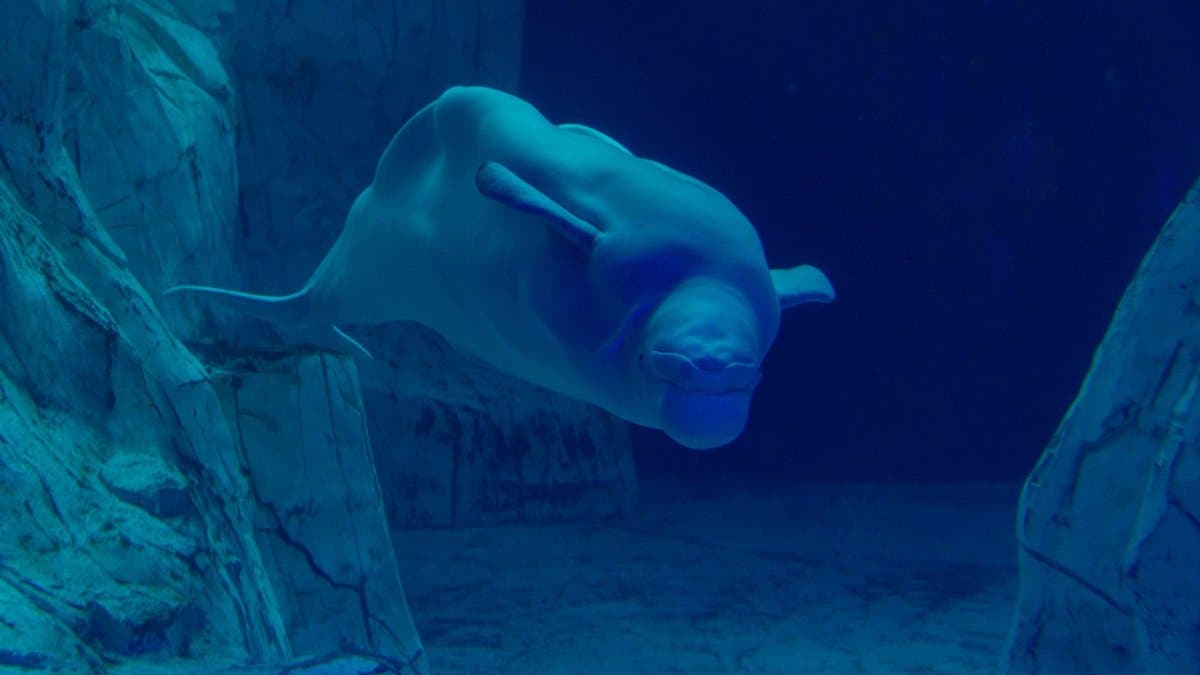
In recent months a striking series of events has drawn attention to the dedicated teams working across the Pacific coast. A group of belugas arrived at a major marine facility after a long journey while a young mountain lion cub received specialized care at a regional zoo. These cases underscore the broader role of California wildlife rescue operations that blend science compassion and public support to aid creatures in distress.
Beluga Arrival at Coastal Facilities

The transfer of three belugas to SeaWorld San Diego marked a significant chapter in marine animal care. Staff coordinated a journey spanning thousands of miles ensuring the animals remained calm throughout. Such movements require precise planning from veterinarians and transport specialists who monitor health indicators at every stage. Observers noted the smooth integration of the whales into new pools designed for their needs.
Mountain Lion Cub Care at Oakland Zoo
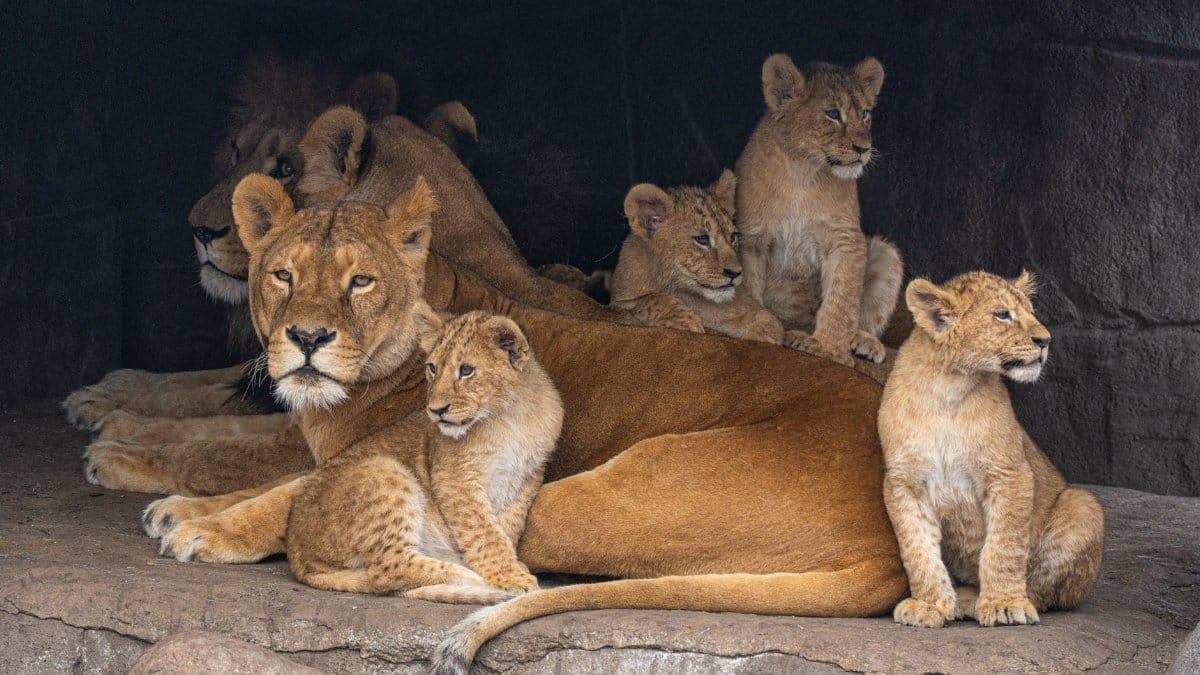
At the same time a young mountain lion cub missing a limb found its way to Oakland Zoo where experts fitted it with a custom prosthetic. The animal adapted quickly to its surroundings thanks to round the clock monitoring and enrichment activities. Keepers focused on building strength and confidence allowing the cub to explore enclosures safely. This case illustrated how individual attention can transform outcomes for injured wildlife.
Broader Patterns in Animal Rehabilitation
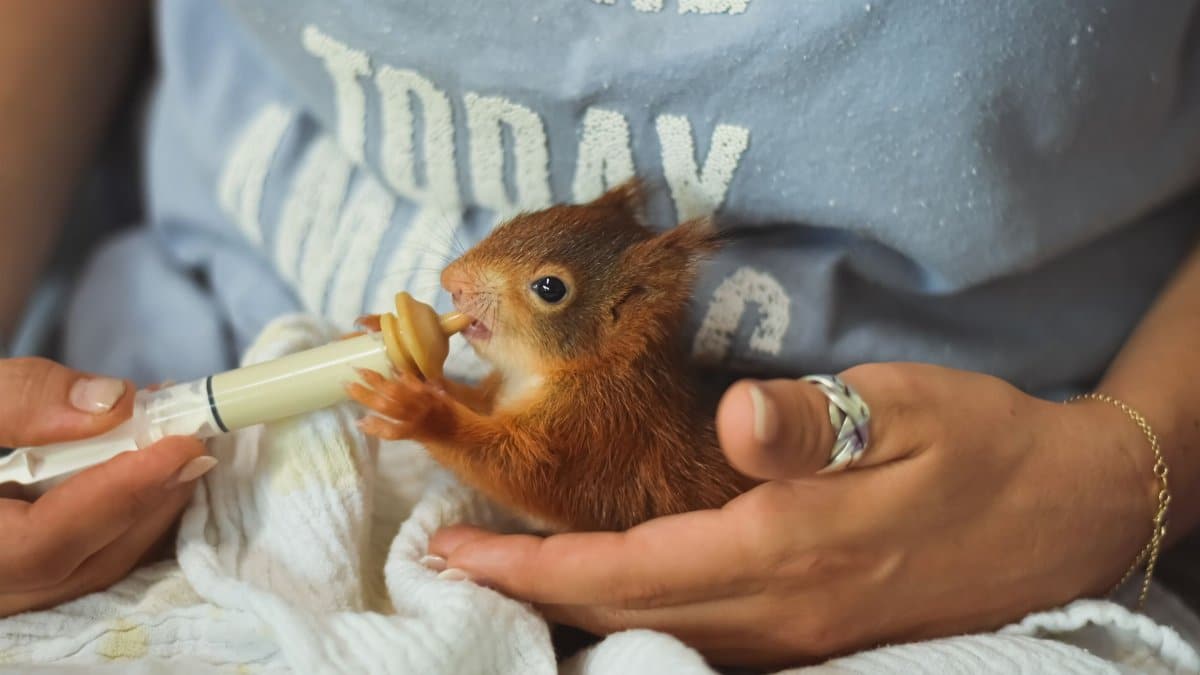
California wildlife rescue programs often handle diverse species from marine mammals to terrestrial predators. Teams assess each situation based on injury type habitat loss and potential for recovery. Collaboration between zoos aquariums and state agencies helps share resources and knowledge. These networks have grown stronger over time supporting more animals each year.
Challenges in Transport and Acclimation

Moving large marine animals demands specialized equipment and permits that can take weeks to secure. Temperature control water quality and stress reduction remain top priorities during transit. Once on site new arrivals undergo quarantine periods to prevent disease spread. Success depends on experienced handlers who anticipate behavioral changes.
Prosthetic Innovations for Wildlife
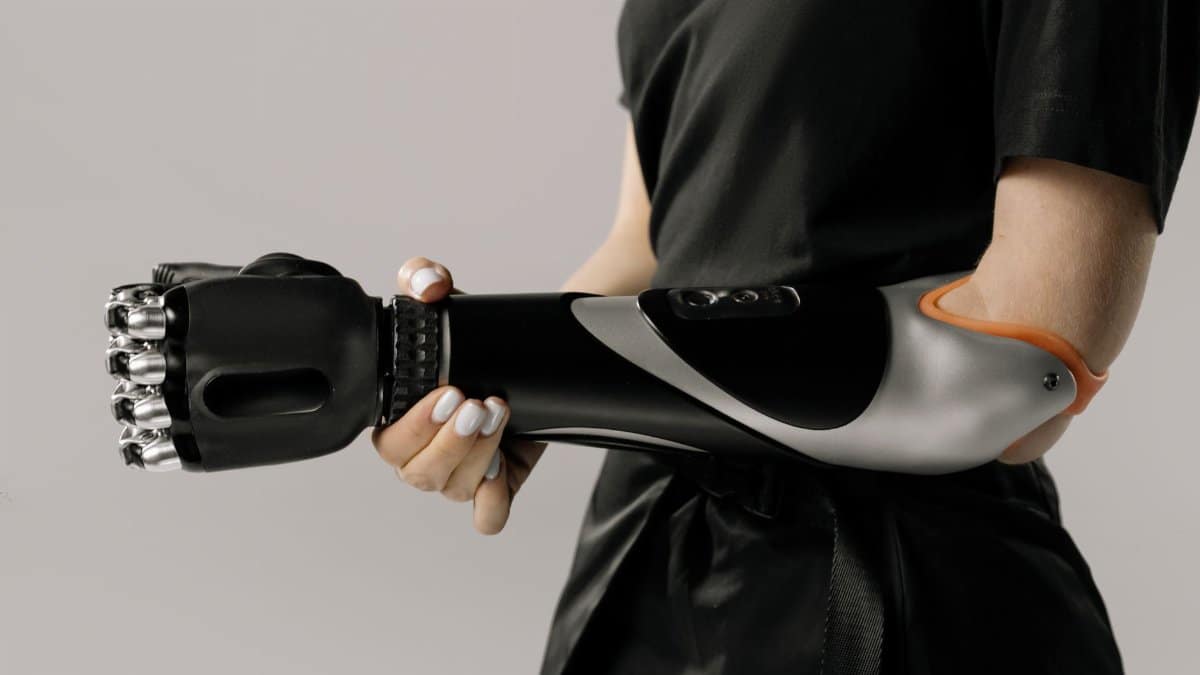
Advances in prosthetic design have opened doors for land animals facing limb loss. Materials must withstand outdoor conditions while remaining lightweight for mobility. Veterinary teams work with engineers to customize fits through trial and observation. The mountain lion cub example shows how such tools restore natural behaviors over months of therapy.
Public Engagement and Awareness

Stories like these often spark community interest and donations that sustain rescue facilities. Educational programs at zoos explain the context of habitat pressures and human interactions that lead to interventions. Visitors gain insight into the daily routines of care staff who balance medical needs with animal welfare. This connection fosters wider support for conservation measures.
Regulatory Framework Supporting Rescue
State and federal guidelines shape how organizations respond to wildlife emergencies. Permits cover everything from capture to long term housing. Compliance ensures ethical standards while allowing flexibility for unique cases. Regular audits help maintain high levels of professionalism across facilities.
Future Outlook for Coastal Species
Ongoing research tracks population trends and health markers for species under care. Data from rehabilitation efforts informs strategies to reduce future incidents. Partnerships with universities bring fresh perspectives on nutrition and disease management. The combined stories of belugas and the mountain lion cub point to resilient systems ready for continued demands.