

In the bustling streets of Philadelphia, bus drivers for the local transit authority have begun to voice their concerns over the recent SEPTA bus overhaul. Riders scream in frustration as routes shift without warning, turning daily commutes into unpredictable ordeals filled with delays and confrontations that test the patience of everyone involved. This shift comes at a time when many residents depend heavily on reliable public transportation to reach work, medical appointments and family obligations across the region.
Origins of the Route Adjustments

The transit authority launched these changes after years of study into how to improve service efficiency in a growing urban area. Planners aimed to reduce overlap on certain corridors while expanding coverage in underserved spots. Yet the transition period has exposed gaps in communication that left operators facing the brunt of public discontent.
Driver Reports of Increased Incidents

Many operators describe shifts that now include more verbal outbursts from passengers confused by altered stops. One veteran driver noted that what used to be routine runs have turned into exercises in deescalation. These accounts highlight a broader strain on staff who must maintain schedules amid rising tension inside the vehicles.
Rider Reactions to New Schedules
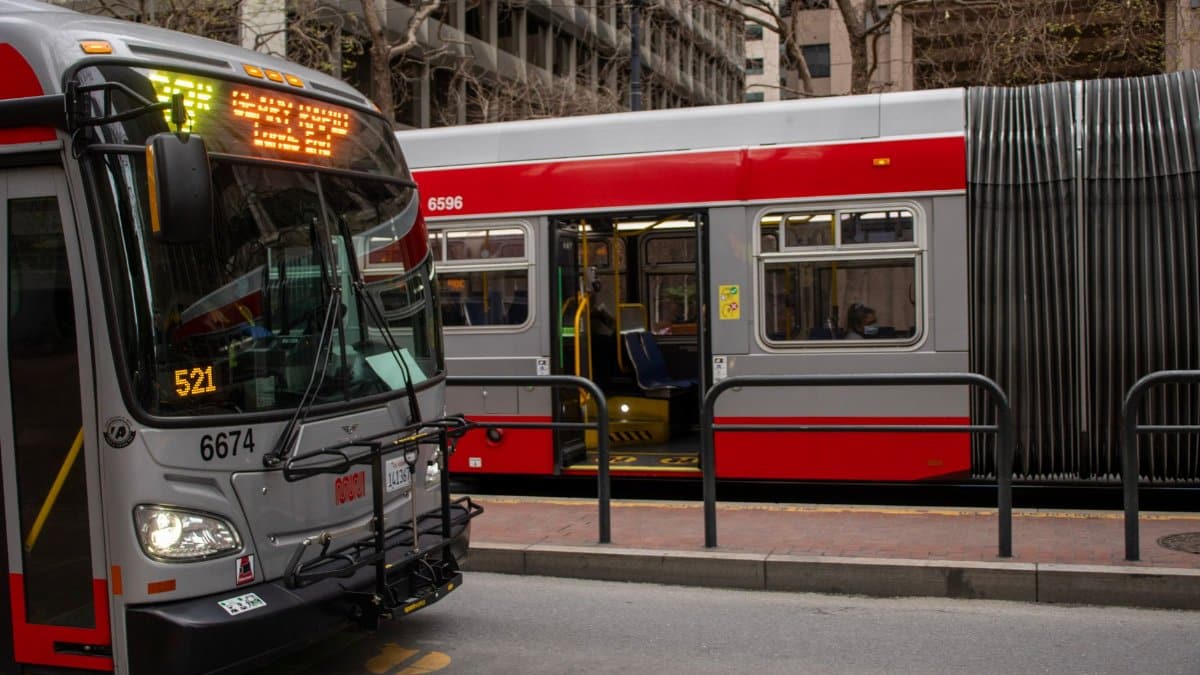
Passengers have shared stories of missed connections and extended waits at corners where buses no longer stop as frequently. Families with children and workers on tight timelines feel the changes most acutely. Community meetings have drawn crowds eager to share experiences and seek clearer guidance from officials.
Effects on Neighborhood Connectivity

Some districts report better access to key destinations while others see reduced options that force longer walks or transfers. Local leaders worry about isolation for older residents who once relied on direct routes. The overhaul continues to reshape how people move through their own communities on a daily basis.
Agency Plans for Future Improvements

Officials have promised adjustments based on feedback gathered during the initial rollout phase. Additional signage and digital alerts form part of the response to ease the adjustment. Training sessions for drivers focus on handling difficult situations with calm professionalism.
Comparisons with Other City Transit Systems
Similar efforts in places like New York and Chicago show that large scale network updates often encounter early resistance before settling into smoother patterns. Lessons from those experiences include the value of phased implementation and robust public outreach. Philadelphia appears to be following some of those steps while adapting to local needs.
Economic Consequences for Local Businesses

Shop owners near former bus stops have noticed fewer customers during peak hours since the realignment took hold. Delivery services that depend on predictable transit patterns also report added complications. Over time the hope remains that improved overall service will boost foot traffic citywide.
Calls for Additional Support and Training

Union representatives advocate for more resources to help drivers manage the emotional demands of their roles under the current conditions. Proposals include expanded counseling access and revised route planning input from frontline staff. Such measures could strengthen the workforce as the system evolves further. The SEPTA bus overhaul remains a work in progress that will require ongoing attention to balance efficiency gains with the human elements of daily transit.