
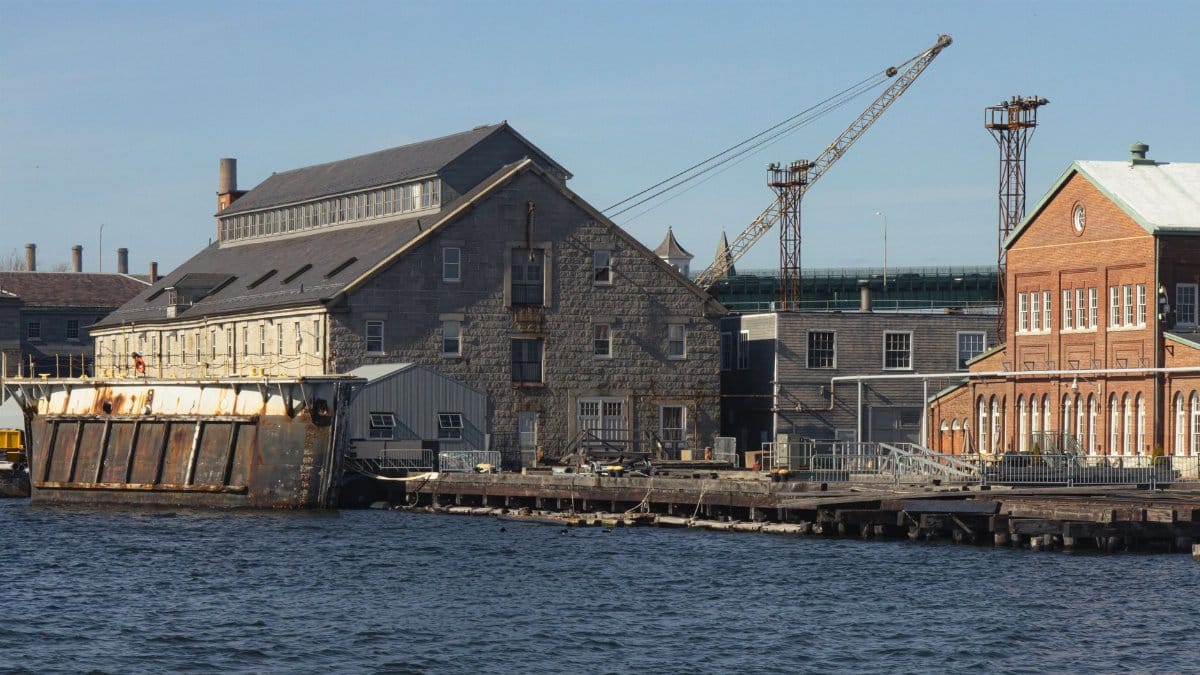
In the bustling industrial landscape along the Delaware River, port authorities have long shaped the flow of goods and jobs across the region. Recent developments point to a major real estate move that could reshape how one key player manages its daily work. PhilaPort Navy Yard stands at the center of this shift, with leaders proposing a purchase that would bring headquarters functions into a cluster of existing structures.
Background on Port Authority Operations

PhilaPort has managed cargo and vessel traffic for decades, serving importers, exporters and manufacturers who rely on reliable access to global routes. Its current offices sit in older facilities that require frequent repairs and limit opportunities for staff to collaborate in modern settings. Leaders have reviewed multiple options before settling on the proposed site, which offers ample space and direct ties to active terminals.
Details of the Building Purchase Proposal

The plan calls for spending twenty two point six million dollars on several structures within the Navy Yard area. These buildings would house administrative teams now spread across different locations. Officials describe the deal as a cost effective way to own property rather than continue leasing arrangements that have grown more expensive over time.
Reasons Behind the Headquarters Relocation

Moving the main office would place decision makers closer to ship berths and storage yards, reducing travel time for meetings with vessel operators and customs agents. The selected buildings already include conference rooms and loading areas that suit daily port business. Staff surveys reportedly showed support for a single campus that improves communication and cuts down on separate maintenance contracts.
Impact on Local Employment and Workforce

The relocation could keep hundreds of positions within city limits while opening room for new hires in logistics and trade compliance. Training programs might expand on site, allowing apprentices to learn alongside experienced personnel. Local unions have expressed cautious optimism, noting that stable office space often supports long term contracts for dockworkers and truck drivers.
Broader Economic Effects on the Region

A consolidated headquarters could strengthen ties between the port and nearby manufacturers who ship products overseas. Increased activity at the site may draw additional service businesses such as equipment repair shops and freight forwarders. City planners see the investment as part of wider efforts to retain industrial land amid pressure from residential developers.
Real Estate Market Context for the Deal

Navy Yard properties have drawn interest from both public agencies and private firms in recent years due to their waterfront access and established infrastructure. The asking price reflects recent appraisals that account for needed upgrades to electrical systems and security features. Comparable sales in the area suggest the transaction aligns with current values for industrial buildings of similar size.
Environmental and Infrastructure Considerations

Any purchase would require checks on soil conditions and storm water management, given the site’s history of heavy industry. Port officials have indicated they would follow federal guidelines for upgrades that improve energy efficiency in the acquired structures. These steps could support broader goals of lowering emissions from port related truck traffic.
Next Steps in the Approval Process

The proposal now moves to review by oversight boards and city council members who must weigh costs against expected savings. Public hearings are scheduled to gather input from residents and business owners near the Navy Yard. If approved, the transfer could occur within the next fiscal year, allowing time for interior renovations before staff arrive.