

As summer winds down families across Philadelphia prepare for the daily rhythms of education once more. Children sort through new notebooks and parents review bus routes while administrators finalize staffing. Amid these routines the focus turns to Philly back to school and the practical realities that shape the experience for over one hundred thousand students this year.
Enrollment Figures Point to Steady Participation
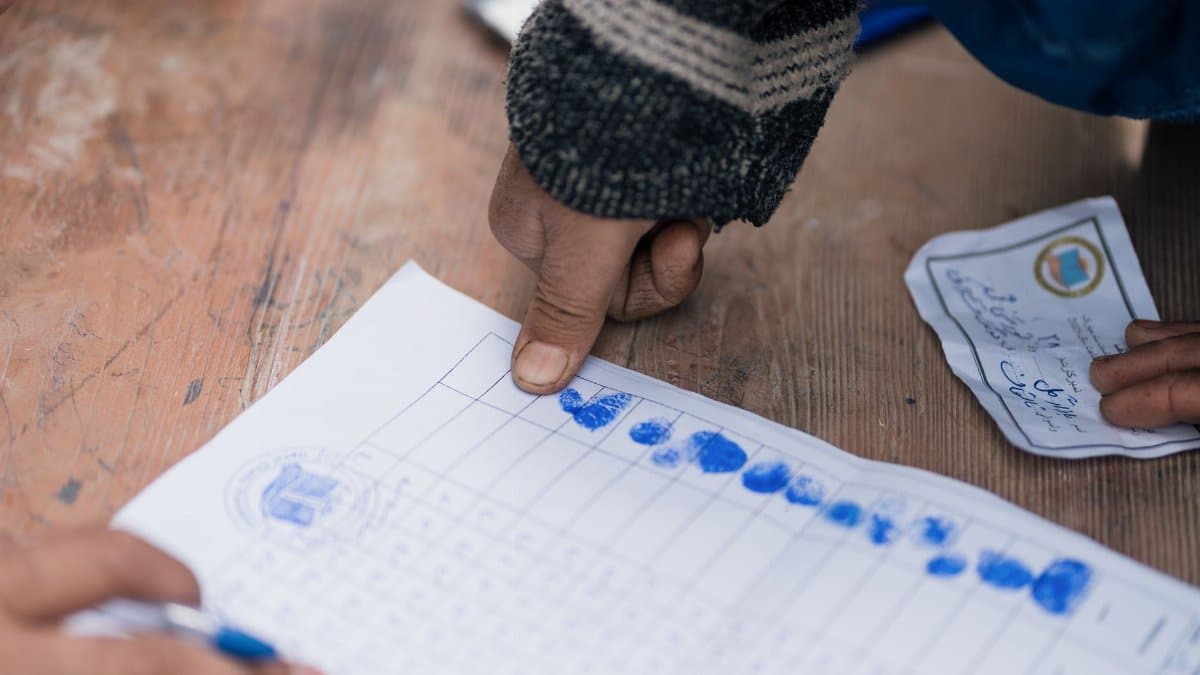
School officials report that roughly 113000 students will fill classrooms in the 2026 to 2027 term. This number reflects modest stability after several years of fluctuation tied to migration patterns and housing costs. Local districts have adjusted projections to account for families who moved within city limits during the past twelve months. Such data helps planners allocate resources like textbooks and classroom aides more effectively across neighborhoods.
Building Repairs Address Asbestos Concerns

Multiple facilities underwent inspections and targeted cleanups before classes resume. Crews sealed affected areas in older structures to meet updated safety standards. Parents have received notices detailing the work completed at specific sites. These steps aim to reduce health risks while allowing instruction to proceed without interruption in most locations.
Assessment Schedules Shift to Later Dates

Standardized testing windows now fall several weeks further into the fall semester. District leaders cite a desire to give teachers more time to review material with students returning from break. The change also aligns with new state guidelines that emphasize broader skill measurement rather than narrow benchmarks. Families can expect updated calendars sent home in the first month.
Transportation Routes Undergo Review
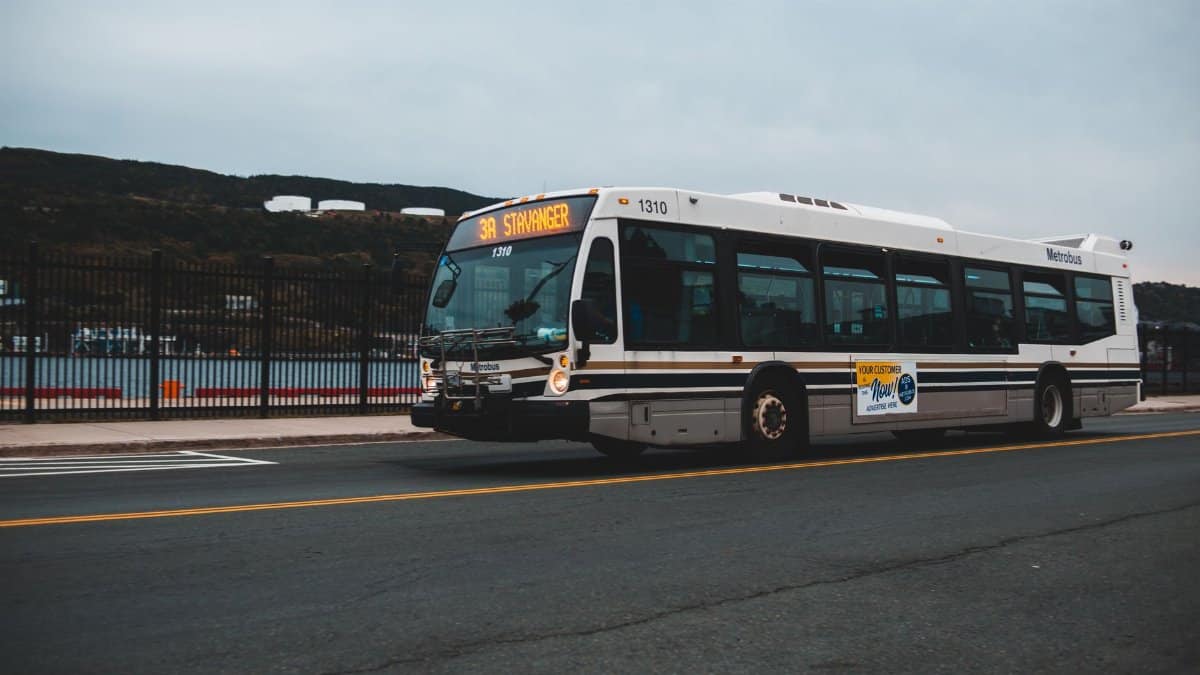
Bus schedules received fresh scrutiny after feedback from previous terms highlighted delays in certain corridors. Adjustments include added vehicles on high demand paths and revised stop locations near new housing developments. Coordination with city traffic departments seeks to ease morning congestion around school zones. Updates appear on district websites for easy reference by caregivers.
Curriculum Updates Emphasize Local History

Lesson plans now incorporate more material on Philadelphia neighborhoods and their evolution over decades. Teachers received training sessions during the summer to integrate these elements smoothly. The approach intends to build student connection to their surroundings while meeting core academic requirements. Early feedback from pilot programs suggests higher engagement levels in social studies classes.
Teacher Recruitment Efforts Continue

Staffing shortages persist in subjects such as mathematics and science despite increased outreach. Partnerships with area universities provide pathways for new graduates to enter city classrooms. Retention bonuses target experienced educators who might otherwise leave for suburban posts. Ongoing professional development remains a priority to support those already in place.
Technology Access Expands for Families

Device distribution programs now reach more households identified through enrollment data. Training sessions help parents navigate online portals used for grades and announcements. This expansion supports remote learning options when weather or other events close buildings temporarily. Equity remains central to rollout plans across all grade levels.
After School Options Grow in Several Areas

Community centers and libraries partner with schools to offer extended programs focused on arts and physical activity. Grant funding covers costs for many participants who otherwise lack affordable choices. These initiatives aim to keep students engaged beyond regular hours while providing working parents greater flexibility. Registration details circulate through school offices early in the term.
Health Services Strengthen on Site Support

Nurses and counselors report expanded availability at larger campuses this fall. Vaccination clinics and mental health check ins occur on scheduled days to minimize class time lost. Collaboration with local clinics ensures referrals move quickly when needed. The goal centers on keeping children ready to learn each day.
Community Meetings Invite Broader Input

Monthly forums allow residents to raise questions about policies and share observations from their blocks. District representatives attend to explain decisions and gather suggestions for future adjustments. Such gatherings foster dialogue that can influence everything from lunch menus to safety protocols. Participation has risen in recent cycles as awareness spreads.