
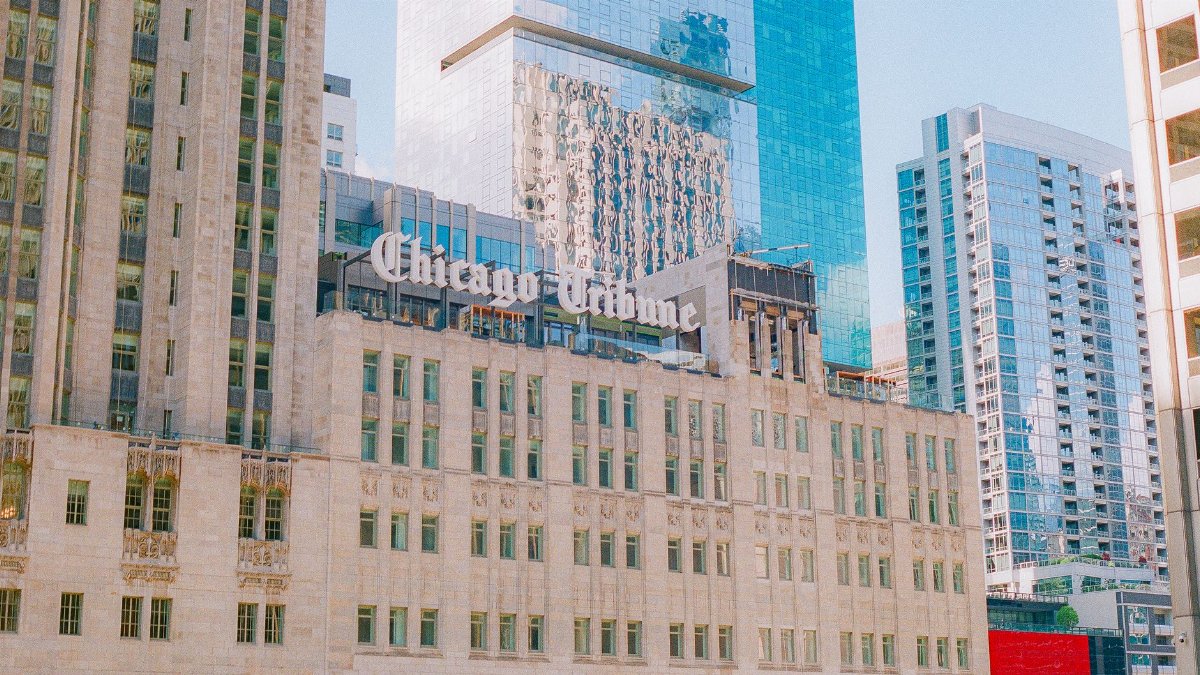
In the bustling streets of Minneapolis North Loop, where historic buildings stand alongside modern lofts, a proposal to convert the former Star Tribune printing plant into a large scale facility has ignited strong pushback from longtime residents and local business owners alike. The project, centered on what would become the North Loop Data Center, promises economic activity yet raises questions about how such developments fit into an area known for its creative energy and community focused character.
Neighborhood Identity at Stake
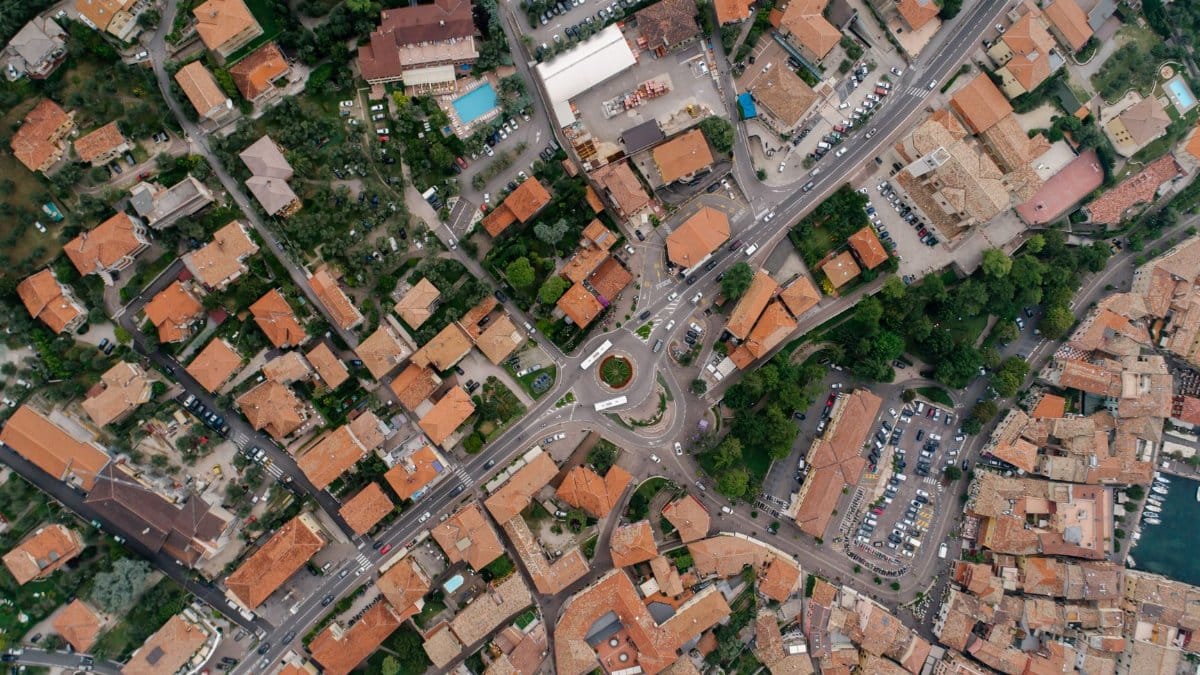
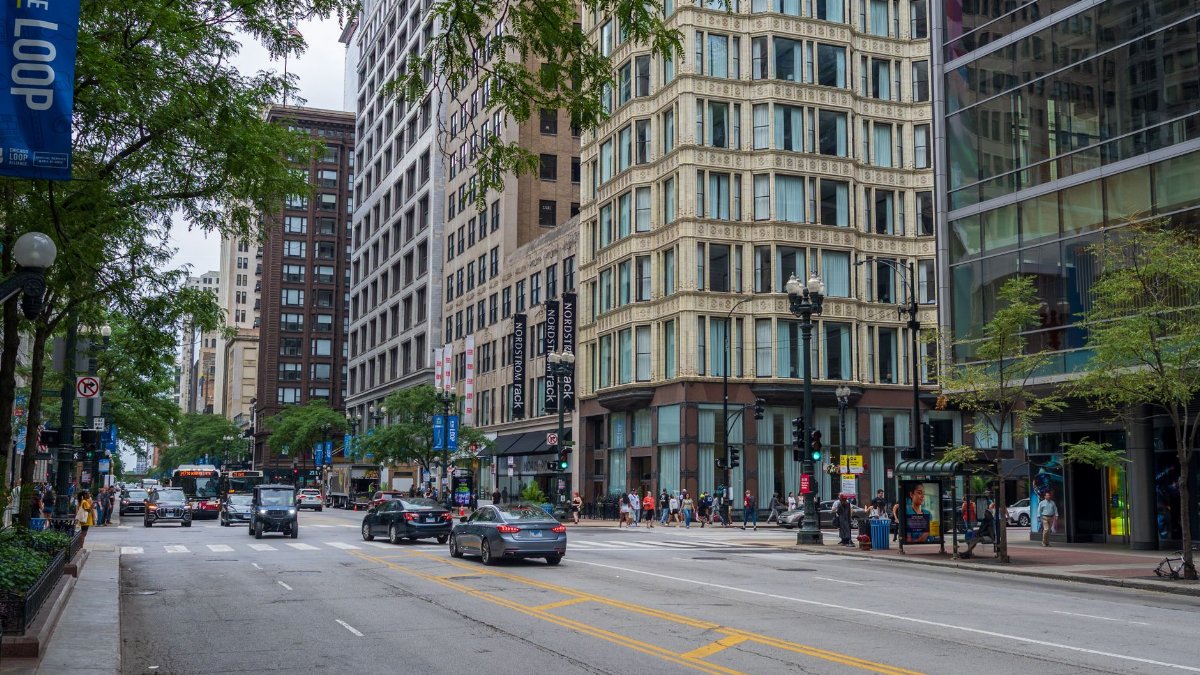
Residents describe the North Loop as a place where artists, small shops, and families have created a distinctive urban fabric over recent decades. The printing plant site holds particular meaning because of its industrial past and its location near popular gathering spots. Many fear that a massive data facility could shift the balance away from pedestrian friendly uses toward infrastructure that serves distant corporations rather than local needs. Community meetings have drawn crowds expressing attachment to the current mix of warehouses turned galleries and restaurants that define daily life here.
Traffic and Noise Worries Surface
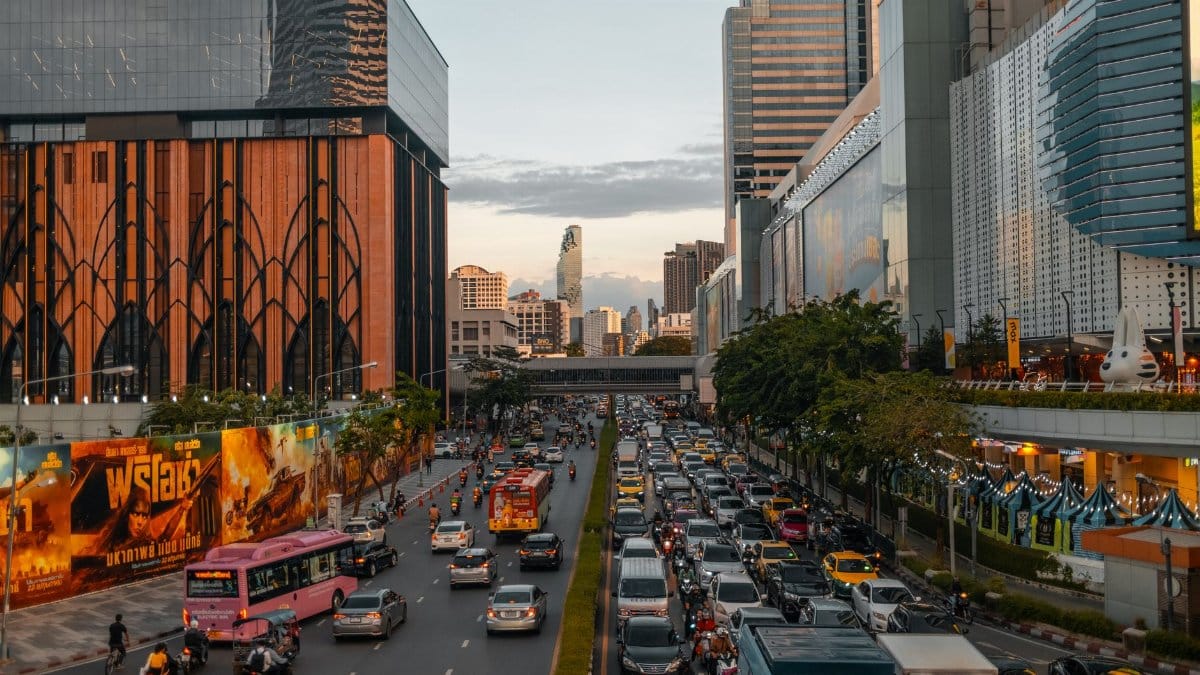
One recurring theme in public comments involves the potential increase in truck deliveries and cooling equipment sounds associated with data operations. Neighbors living within a few blocks worry about round the clock activity disrupting sleep and the quiet evenings they currently enjoy. City planners have received letters noting that existing streets already handle significant commuter flow, and additional heavy vehicles could complicate access for cyclists and walkers who frequent the area.
Historical Value of the Printing Plant

The former Star Tribune facility represents a tangible link to Minneapolis media heritage and mid century industrial design. Preservation advocates argue that adaptive reuse should honor this legacy rather than replace it with windowless structures typical of modern data installations. Discussions at recent forums have explored whether parts of the building could remain visible or be repurposed for public events, though developers have yet to detail such options in submitted plans.
Economic Promises Versus Local Benefits
Supporters of the project point to construction jobs and ongoing maintenance positions that could arise once the facility opens. Tax revenue projections have been shared with city officials as a way to fund parks and transit improvements. Critics counter that data centers often employ relatively few on site workers after the initial build phase and that promised fiscal gains may not offset strains on electrical grids or emergency services in a dense residential zone.
Environmental Considerations Emerge

Energy consumption stands out as a central issue because data facilities require substantial electricity for servers and cooling systems. Local environmental groups have asked for detailed studies on carbon emissions and water usage, given regional concerns about power reliability during peak summer months. Some residents suggest exploring renewable energy partnerships to lessen the overall footprint, though no formal commitments have appeared in current documentation.
Developer Plans and Community Meetings

The company behind the proposal has hosted informational sessions to outline site layout, security measures, and landscaping buffers. Feedback collected at these gatherings shows a divide between those who welcome new investment and others who prefer mixed use development with housing or offices instead. Revised drawings may address some visual concerns, yet core operational questions remain unresolved according to meeting summaries.
City Regulations and Approval Process
Minneapolis zoning rules require public hearings before any large industrial conversion receives permits. Officials have noted that data centers fall into a category needing extra scrutiny for utility demands and compatibility with surrounding zones. Timeline estimates suggest several months of review ahead, during which additional studies on traffic patterns and sound levels could influence final decisions.
Broader Trends in Urban Data Facilities

Across the country, cities have grappled with similar proposals as demand for cloud storage and artificial intelligence grows. Some municipalities have enacted stricter siting rules to protect residential quality of life, while others have offered incentives to attract tech infrastructure. The North Loop case illustrates how these national patterns play out at the street level when historic neighborhoods confront rapid technological expansion.
Alternative Uses Proposed by Locals

During recent workshops, ideas have surfaced for turning the site into artist studios, light manufacturing spaces, or even a public market hall that could draw visitors from across the metro area. These suggestions reflect a desire to maintain the creative spirit that helped revive the North Loop after earlier industrial decline. Property owners and renters alike have submitted informal petitions urging the city to explore such options before granting approvals.
Looking Ahead for the North Loop
As the review process continues, the outcome will likely shape future development patterns in this evolving district. Residents remain engaged through neighborhood associations and online forums, tracking each new document released by the developer or planning department. Whatever the result, the debate highlights ongoing tensions between technological progress and the preservation of community character in growing American cities.