
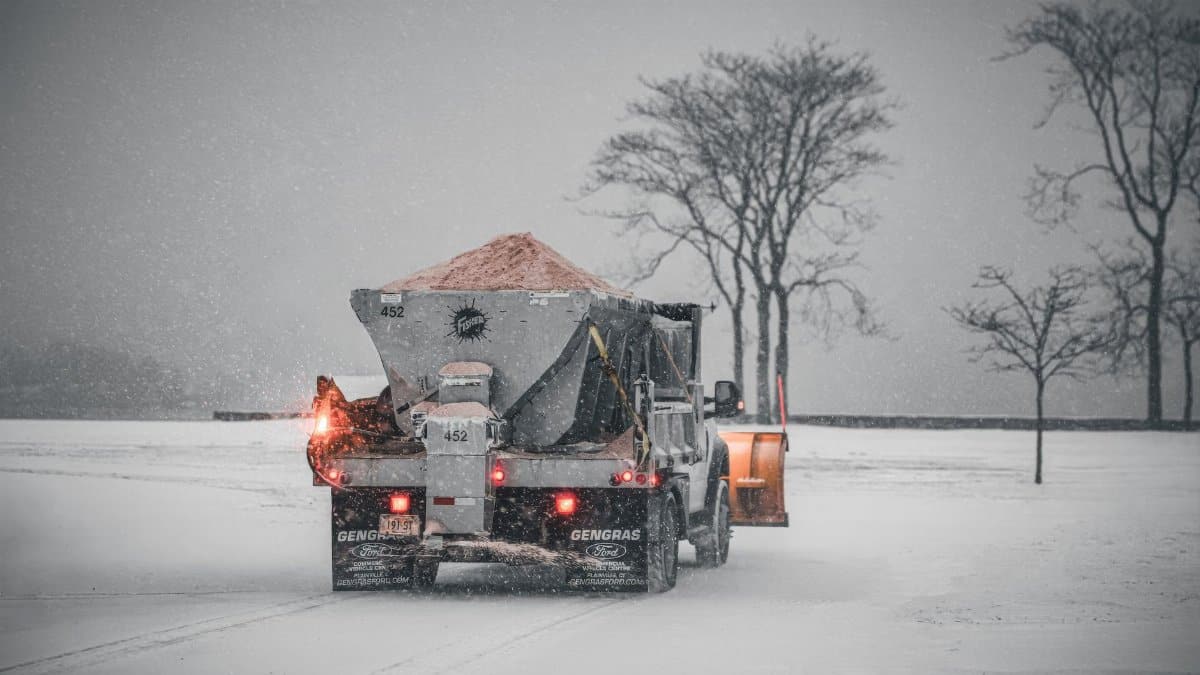
Communities across Illinois are preparing for another season of unpredictable weather that can turn daily commutes into hazardous journeys. With forecasts pointing to early snowfalls many local leaders are now confronting gaps in their winter maintenance stockpiles. This scramble has put a spotlight on Chicago road salt as towns rush to secure enough material to protect drivers and pedestrians alike.
Historical reliance on winter treatments

For decades Illinois towns have depended on bulk deliveries of deicing materials to maintain safe passage during storms. These supplies allow crews to respond quickly when temperatures drop and precipitation begins. Over time the practice became standard in both urban centers and rural areas where black ice forms without warning. Officials recall past winters when adequate reserves prevented major disruptions on major routes and neighborhood streets.
Current shortages affecting multiple towns

More than two hundred fifty Illinois communities now report insufficient quantities on hand for the months ahead. Key suburbs around Chicago have joined the list of those seeking emergency purchases from out of state vendors. Delivery delays and rising costs have compounded the problem leaving some public works departments with only partial coverage for expected storm events.
Impact on daily life and safety

Residents notice the difference when roads remain untreated after the first snowfall. School buses run late and emergency vehicles face slower response times on slick surfaces. Local businesses also feel the strain as customers stay home rather than risk travel. Public safety reports from previous seasons show clear links between timely applications of treatment and reduced accident rates.
Supply chain pressures behind the shortfall

Production facilities for deicing products have faced their own operational hurdles in recent years. Labor shortages at mines and processing plants have slowed output while transportation networks struggle with driver availability. International shipping complications further limit options for importing additional volumes from traditional sources.
Environmental considerations in material choices

Beyond immediate availability questions remain about long term effects on local waterways and soil. Excessive application can lead to higher chloride levels in streams that affect aquatic life. Some municipalities are exploring reduced usage strategies or additives that lessen ecological footprints while still providing traction during storms.
Budget strains on municipal resources
Rising prices for available stock force finance committees to reallocate funds from other projects. Smaller towns without large reserve accounts find themselves in particularly difficult positions. Grant programs at the state level have received increased applications as leaders seek assistance to cover unexpected procurement expenses.
Alternative approaches under review

Several communities are testing new equipment that spreads materials more efficiently to stretch limited supplies. Others examine mixtures that combine traditional products with sand or other abrasives. Pilot programs in neighboring states offer models that Illinois officials are studying for possible adoption before the next major weather system arrives.
Regional cooperation efforts

Neighboring counties have begun discussions about sharing reserves during peak demand periods. Joint purchasing agreements could provide better negotiating power with suppliers. These arrangements require coordination on storage facilities and distribution schedules but promise more reliable access across broader areas.
Preparation steps for homeowners

Individuals can take measures to reduce dependence on municipal crews by clearing their own driveways and walkways promptly. Stocking small quantities of approved products for personal use helps maintain access to homes and vehicles. Community workshops organized by extension services provide guidance on safe and effective application techniques.