
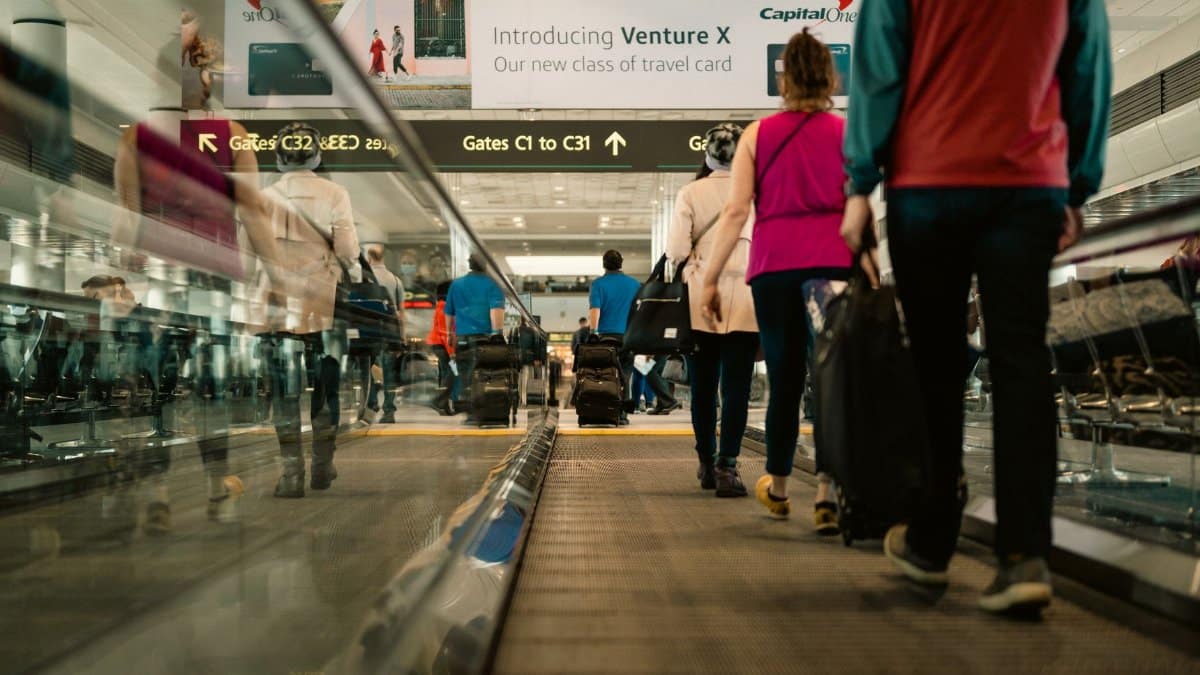
In recent months Governor Greg Abbott has turned his focus toward certain facilities at Texas airports that serve a specific religious purpose for some travelers. These installations, often described as Abbott airport stations, allow individuals to perform ritual washing before prayer in keeping with Islamic tradition. The move has sparked debate over public space usage, religious expression and state authority in a region where air travel plays a central economic role. Observers note that the stations first appeared quietly in terminals several years ago as airports sought to accommodate growing numbers of international passengers from the Middle East and South Asia. Now the issue has reached the federal level with a request for review by the Department of Justice. This development raises questions about how far state leaders should go in shaping the details of everyday infrastructure at major transportation hubs.
Origins of Specialized Washing Areas in Texas Terminals
Airports in Houston and Dallas began installing the stations after consulting with faith based groups and design consultants. The goal was to provide a practical solution for passengers who needed space to rinse their feet without using general restrooms in ways that could cause delays or conflicts. Construction was modest and tucked into existing corners near prayer rooms. Local officials approved the additions with little public notice at the time. Passenger feedback indicated the features improved comfort for a segment of the traveling public without affecting overall operations.
State Leadership Raises Formal Concerns
Governor Abbott directed staff to examine the stations after receiving complaints from constituents who viewed the installations as an improper use of taxpayer supported facilities. Letters went out to airport authorities requesting details on costs, usage data and approval processes. The correspondence framed the stations as potential violations of rules governing equal access and secular public spaces. Airport managers responded with documentation showing the additions were funded through private donations and carried no ongoing maintenance burden on state budgets.
Department of Justice Review Requested
The formal ask to federal investigators centers on whether the stations create an appearance of government endorsement of one faith. Legal experts point out that similar accommodations exist for other groups in various public buildings across the country. The review could take months and may set precedents for how other states handle comparable requests. Travelers continue to use the stations in the meantime without reported incidents.
Community Reactions from Different Faith Groups
Muslim organizations in Texas describe the stations as a simple courtesy that helps families maintain religious observance during long journeys. They emphasize that the facilities do not exclude anyone and remain open to all visitors who wish to use them for hygiene reasons. Christian and Jewish leaders have offered mixed comments, with some supporting the principle of religious liberty while others question whether public airports should prioritize such features. Polls among regular flyers show divided opinions along generational and regional lines.
Operational Details and Passenger Experience

Each station consists of low benches, water spouts and drainage systems designed for quick use. Signage is minimal and multilingual to reduce confusion. Airport staff report that cleaning occurs on the same schedule as standard restrooms and requires no extra equipment. Data collected over the past two years shows steady but not overwhelming usage during peak prayer times. Passengers who rely on the stations say they prevent awkward moments in shared facilities and allow smoother connections between flights.
Broader Political Context in State Governance
The current dispute fits into a longer pattern of state efforts to limit perceived religious influences in government settings. Previous actions have addressed school curricula, public displays and workplace policies. Critics argue that focusing on low profile airport features distracts from larger infrastructure needs such as runway repairs and security upgrades. Supporters counter that small issues can signal larger shifts in how public resources are allocated.
Potential Outcomes and Future Adjustments

If the Department of Justice finds issues, airports might be asked to relocate or redesign the stations. Alternatives under discussion include moving them to private airline lounges or converting them into general hygiene areas. Officials stress that any changes would aim to preserve passenger convenience while addressing legal questions. Travel industry representatives are watching closely because similar facilities exist at airports in other states with large Muslim populations.
Travel Industry Views on Accommodation Trends

Airlines and terminal operators have long adjusted layouts to meet diverse passenger needs ranging from family rooms to quiet zones. The stations represent one more example of this evolution driven by demographic changes in global air traffic. Removing them could prompt complaints from international carriers whose customers expect basic religious support. At the same time, uniform policies across all Texas airports would simplify management and reduce the chance of future disputes.