
In the complex landscape of international relations the president has found himself navigating unexpected hurdles with Iran leading to a reevaluation of tactics. The Trump Iran strategy now appears to lean more heavily on sanctions and alliances with other nations to limit Tehrans influence. Observers note that this approach seeks to avoid the risks of broader conflict while still applying pressure on multiple fronts through financial and logistical means.
Background on Recent Setbacks

Events over the past half year have altered the path forward for American policy in the Persian Gulf region. Initial expectations gave way to complications that included logistical challenges and shifting alliances among local actors. These developments forced a reassessment of how best to proceed without escalating into larger scale engagements.
Emphasis on Economic Pressure

Financial restrictions have emerged as the primary instrument in the current phase of the Trump Iran strategy. By targeting key sectors such as energy exports and banking networks officials aim to constrain resources available to Iranian leadership. This method draws on precedents from prior administrations yet adapts them to contemporary global trade patterns.
Role of Naval Blockades
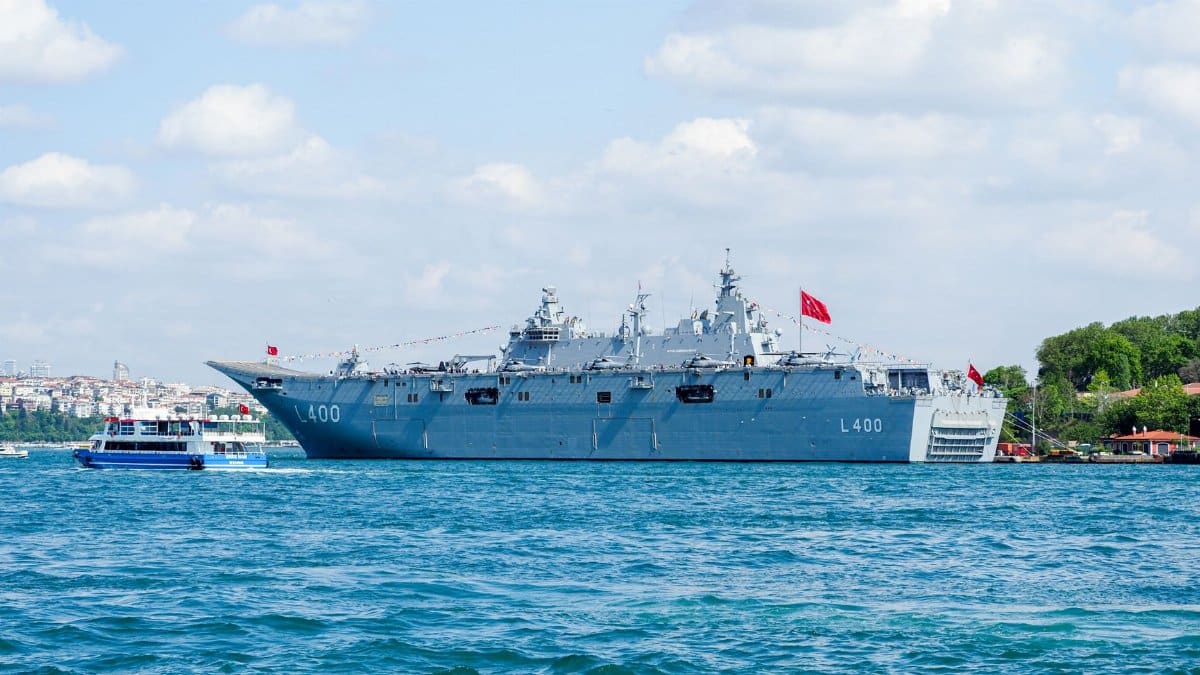
Maritime operations now play a supporting part in efforts to monitor and restrict movements of goods. Coordination with partner navies has increased to ensure compliance with existing restrictions. Such measures reflect a preference for indirect control rather than direct intervention on land or in the air.
Reactions from Regional Allies

Countries across the Middle East have responded with a mix of support and caution to the adjusted American posture. Some see opportunities for strengthened security ties while others worry about economic ripple effects on their own markets. Diplomatic channels remain active as capitals seek clarity on long range intentions.
Impact on Domestic Politics

Within the United States the change in direction has sparked debate among lawmakers and analysts. Critics argue that the pace of results appears slower than hoped while supporters point to reduced casualties as evidence of prudent judgment. Public opinion polls show divided views on the overall effectiveness of containment focused policies.
Comparison with Past Approaches

Earlier strategies often blended military displays with economic tools in roughly equal measure. The present Trump Iran strategy tilts the balance toward the latter in response to lessons learned from recent experiences. Analysts suggest this evolution mirrors adjustments seen in other prolonged foreign policy challenges.
Potential Outcomes and Risks
Success hinges on sustained international cooperation and the resilience of sanctions regimes against evasion tactics. Unintended consequences could include humanitarian strains or unintended alignments between adversarial states. Careful monitoring of indicators such as oil prices and proxy activities will guide further refinements.
Voices from Experts and Officials

Scholars at major think tanks have offered assessments that range from cautious optimism to calls for additional measures. Government spokespeople emphasize flexibility as a strength of the current framework. Their comments underscore the fluid nature of the situation and the need for ongoing adaptation.
Future Directions in Foreign Policy

Looking ahead the administration may incorporate additional elements such as targeted incentives for compliance or expanded outreach to opposition groups inside Iran. The Trump Iran strategy could serve as a template for handling similar standoffs elsewhere if early indicators prove positive. Continuity will depend on electoral outcomes and evolving global conditions.