
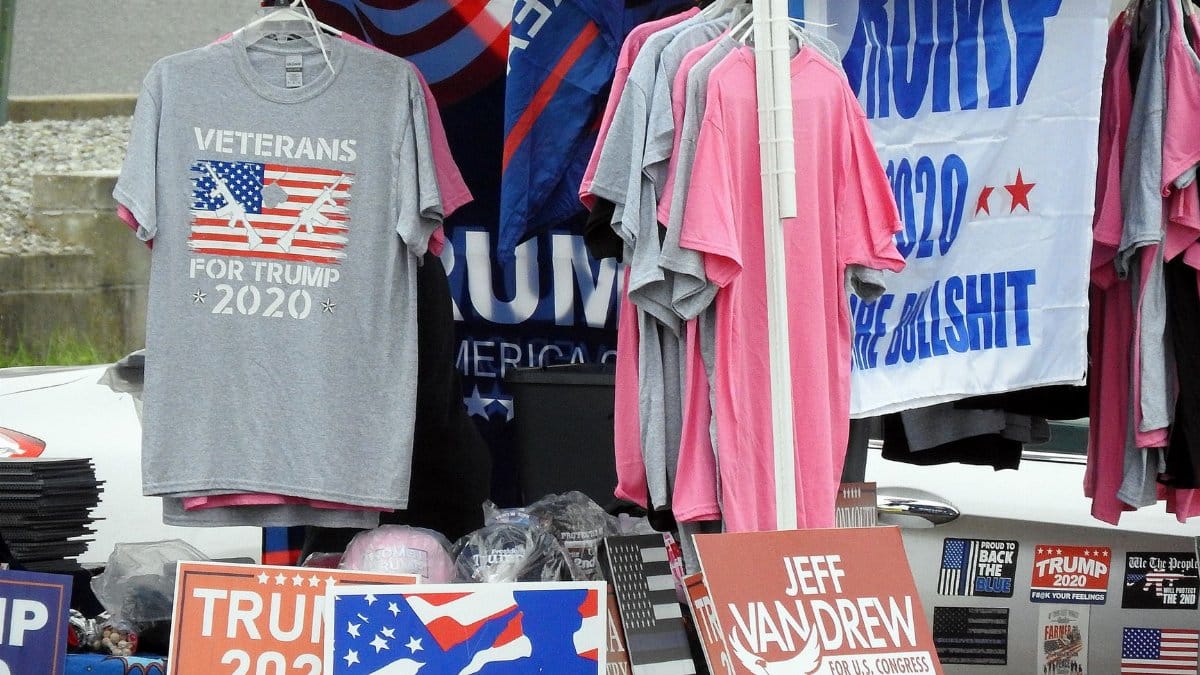
In recent Minnesota Republican primaries voters turned away from candidates closely aligned with former President Trump in favor of those viewed as stronger general election contenders. This outcome reflects a deliberate strategy among party members who see winning as the top priority in a competitive political environment. The shift comes as national attention turns toward upcoming races where broad appeal could determine control of key offices. Observers note that such choices underscore a GOP electability focus that places practical results ahead of ideological purity tests. Local activists and donors appeared united in backing figures like Lisa Demuth and Michele Tafoya who project steady competence without the controversies that sometimes accompany more fiery Trump supporters. This approach may signal changes in how the party builds its ticket for future contests across the Midwest.
Primary Results Reveal Clear Preferences

Voters selected nominees who emphasized fiscal restraint and local issues rather than national culture wars. Turnout patterns showed support clustering around candidates with records of bipartisan work in state government. These selections avoided figures who had embraced the most confrontational elements of recent Republican campaigns at the federal level.
Demuth Campaign Emphasizes Broad Appeal
Lisa Demuth positioned her bid around education funding and rural economic growth. Her messaging avoided direct attacks on Democratic leadership in ways that might alienate independent voters. Supporters described her as steady and prepared for the demands of higher office.
Tafoya Entry Brings Media Experience

Michele Tafoya entered the race with a background in sports broadcasting that translated into strong communication skills. She focused on connecting with suburban households concerned about taxes and public safety. Her profile helped draw attention without relying on national political flashpoints.
Trump Influence Faces State Level Limits
Endorsements from the former president did not sway enough primary participants this cycle. Several candidates who highlighted those connections finished behind rivals who kept distance from Washington controversies. Party strategists interpreted the results as evidence that local concerns outweigh national branding in certain districts.
Donor Networks Back Measured Candidates

Business oriented contributors directed resources toward nominees seen as capable of raising funds in general elections. This financial support helped sustain campaigns that stressed pragmatic governance over movement rhetoric. The pattern suggests coordinated efforts to build a more competitive statewide presence.
Voter Data Shows Electability Concerns
Surveys conducted before the primaries indicated widespread worry about candidates who might energize opposition turnout. Participants expressed preference for nominees able to consolidate support across suburban and rural areas alike. These attitudes align with a GOP electability focus that values coalition building.
Comparison With Neighboring State Strategies

Similar dynamics appeared in recent contests elsewhere in the region where party leaders favored tested officeholders. Minnesota outcomes fit a pattern of avoiding high risk selections that could narrow general election margins. Analysts track these trends as indicators of evolving internal party calculations.
Future Implications for Statewide Races

The current nominees now prepare for general election battles where crossover support will prove essential. Success may depend on maintaining the disciplined messaging that secured primary victories. Observers expect continued emphasis on this GOP electability focus in subsequent cycles as the party seeks to expand its reach.