
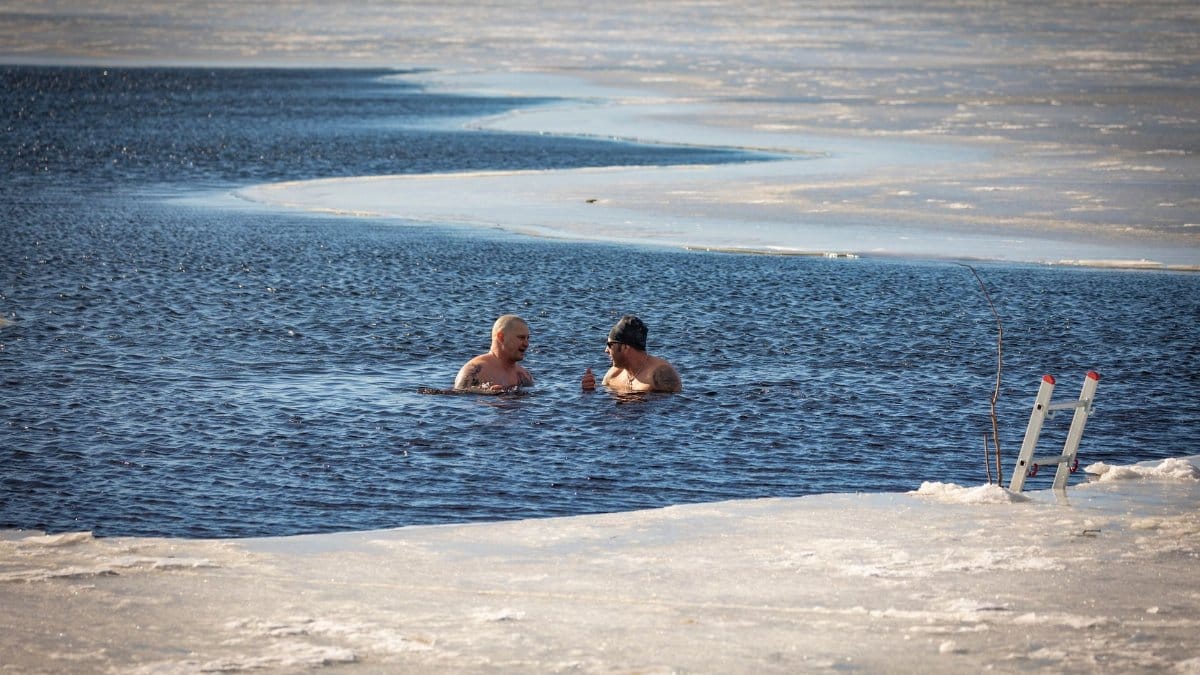
Residents across San Francisco are discovering fresh ways to care for their bodies amid the demands of modern life. From busy professionals to retirees seeking better vitality many have turned to regular sessions involving heat and cold as part of broader wellness routines. This shift reflects a larger curiosity about time tested methods that promise improved circulation and mental clarity. One practice gaining particular notice involves saunas cold plunges which combine intense heat with brief immersion in chilly water. Local facilities report rising interest as people look for accessible paths to feeling more energized and resilient without relying solely on medication or conventional exercise.
Origins of Heat and Cold Exposure Practices
Ancient cultures have long valued alternating temperatures to support physical recovery and mental focus. In various regions people built traditions around sweat lodges or natural cold springs believing these experiences could purify the system and build endurance. Modern adaptations in urban settings draw from these roots while incorporating controlled environments for safety and consistency. Researchers note that such methods may influence inflammation levels and stress responses in measurable ways.
Growth of Dedicated Facilities in Urban Areas

San Francisco now hosts several venues offering structured programs that pair heated rooms with cold water tanks. These spaces attract a diverse crowd including tech workers and athletes who schedule visits around their workdays. Owners describe a steady increase in memberships as word spreads about the refreshing effects after a session. The trend aligns with broader interest in preventive health measures that fit into packed schedules.
Potential Effects on Circulation and Recovery
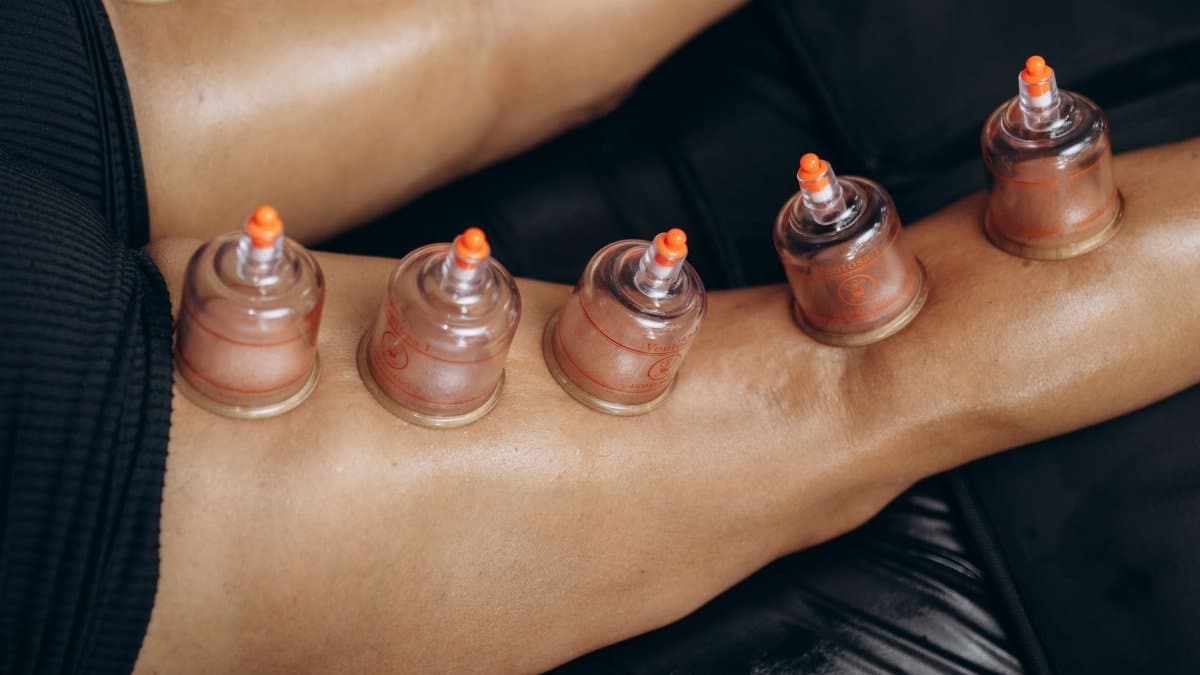
Alternating between warmth and cold may encourage blood flow by prompting vessels to expand and contract. This process could aid muscle repair following physical activity while also supporting overall cardiovascular function. Some participants report feeling more alert and less prone to stiffness after consistent use. Ongoing observations suggest these changes become more noticeable over weeks or months of regular practice.
Insights from Recent Health Examinations
Studies have begun to explore how heat exposure followed by cold immersion influences markers of inflammation and immune activity. Findings point to possible reductions in certain stress hormones along with better sleep patterns for some individuals. A detailed account appears in coverage from the San Francisco Chronicle which highlights both benefits and areas needing further inquiry. Readers can review that reporting for context on local applications.
Considerations for Safe Participation
Anyone starting these routines should consult a medical professional especially if they have existing conditions affecting the heart or blood pressure. Sessions typically last short durations to avoid strain with gradual adjustments to temperature tolerance. Facilities often provide guidance on breathing techniques and hydration to enhance comfort and reduce risks during the process.
Integration with Daily Wellness Habits

Many users combine visits with other activities such as light stretching or mindful breathing to maximize perceived gains. This approach creates a holistic routine that addresses both physical and emotional aspects of health. Over time participants describe greater awareness of their bodies and improved capacity to handle daily pressures.
Future Directions in Research and Access

Continued investigation may clarify optimal protocols for different age groups and activity levels. Expanded availability through community centers or home setups could make the experience more inclusive. Observers expect these developments to shape how people approach recovery and prevention in coming years.