

Voters across Washington turned out for the August primary with expectations running high in some quarters. Many anticipated a wave of fresh faces reshaping the Democratic field. Yet the results told a different story as progressive challenges fail against seasoned officeholders who have cultivated steady support over multiple cycles. This pattern suggests that calls for sweeping shifts often encounter resistance when voters weigh experience against bold promises. The contests highlighted how local concerns about housing costs and public safety can outweigh national trends toward ideological purity.
Election Results Paint Clear Picture
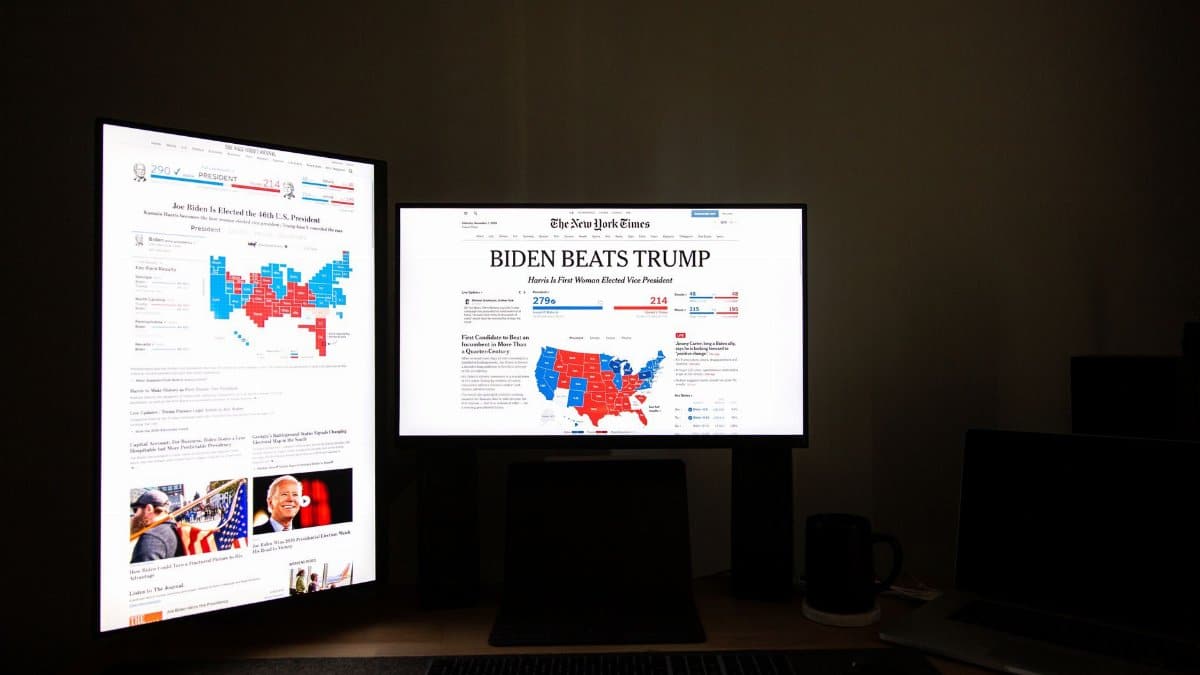
Incumbent candidates secured most nominations without much drama. Turnout remained modest in many districts yet proved sufficient to favor those already in office. Data from county election offices showed margins that left little room for interpretation. Progressive challengers found their messages resonating mainly in urban pockets while struggling elsewhere.
Voter Priorities Shape Outcomes

Surveys conducted before the primary revealed that residents focused on practical issues such as transportation funding and school performance. These topics took precedence over broader calls to overhaul party structures. Candidates who addressed daily realities tended to draw broader coalitions. In contrast those emphasizing systemic upheaval saw support fragment.
Historical Context for Primary Trends

Washington has long featured competitive Democratic primaries yet recent cycles show a return to stability. Past efforts to install more activist oriented representatives met similar resistance when economic conditions demanded steady leadership. Observers note that the state electorate often rewards pragmatism over experimentation during uncertain times.
Role of Campaign Funding

Established figures benefited from existing donor networks built through years of service. New entrants faced hurdles in raising comparable sums despite energetic grassroots appeals. This financial gap limited advertising reach and voter contact efforts in key areas. The disparity underscored how resource advantages can reinforce existing power arrangements.
Media Coverage Influences Perceptions
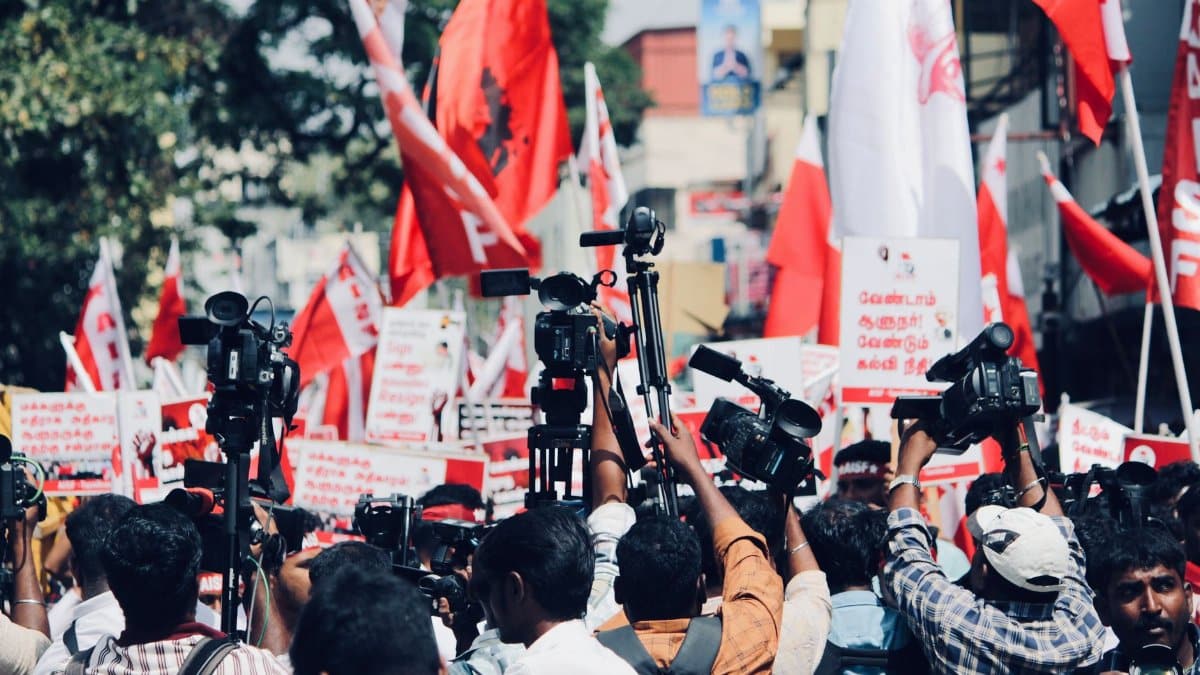
Local outlets devoted substantial attention to the primary contests yet framing often centered on continuity rather than upheaval. Stories emphasized candidate records and community ties instead of dramatic shifts. This approach may have contributed to the sense that business as usual prevailed. Readers encountered narratives that reinforced familiarity with sitting officials.
Implications for Future Contests

Party strategists now assess how to balance activist energy with electability concerns heading into general elections. Some see the results as a signal to refine messaging around shared values rather than division. Others view the outcome as temporary and expect renewed efforts in subsequent cycles. The debate continues within Democratic circles about optimal paths forward.
Comparison With National Patterns

Similar dynamics appeared in other states where primary voters opted for continuity over change. Washington fits into a wider trend of resistance to rapid ideological realignment within the party. Analysts suggest economic pressures play a consistent role in such decisions across regions. This alignment points to structural factors at work beyond any single locale.
Community Reactions Emerge
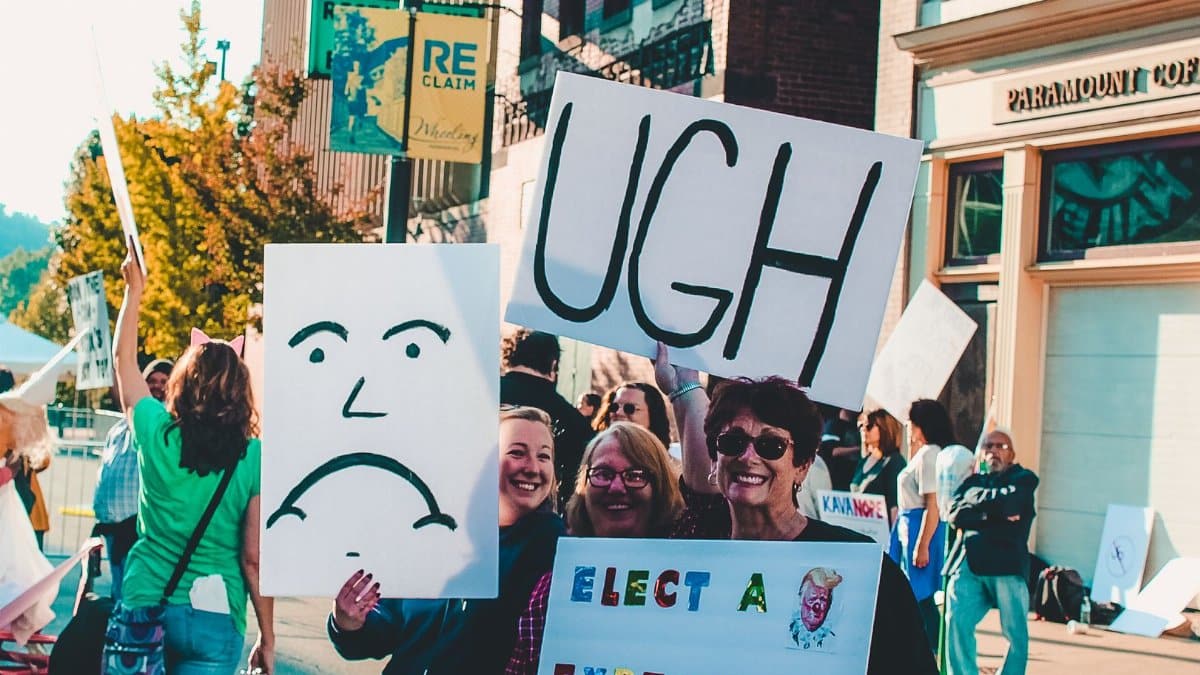
Residents expressed mixed views in the days following the vote with some relieved at the stability and others disappointed by the lack of turnover. Town halls and online forums captured these sentiments in real time. The conversations revealed deep attachments to specific policy approaches that transcend partisan labels. Such feedback offers clues for candidates preparing for November.