

In recent years major philanthropic gestures have reshaped American hospitals, yet the Methodist $110M gift stands apart for its sheer scale and timing. This record contribution arrives as medical centers nationwide face rising costs and growing demands from aging populations. It signals a deepening commitment to advanced care in one of the countrys busiest urban regions. The funds promise to support everything from expanded research programs to new facilities designed for long term patient needs. Observers note that such giving often reflects personal ties to institutions that have provided life saving treatment over decades.
Background on the Donors Involved
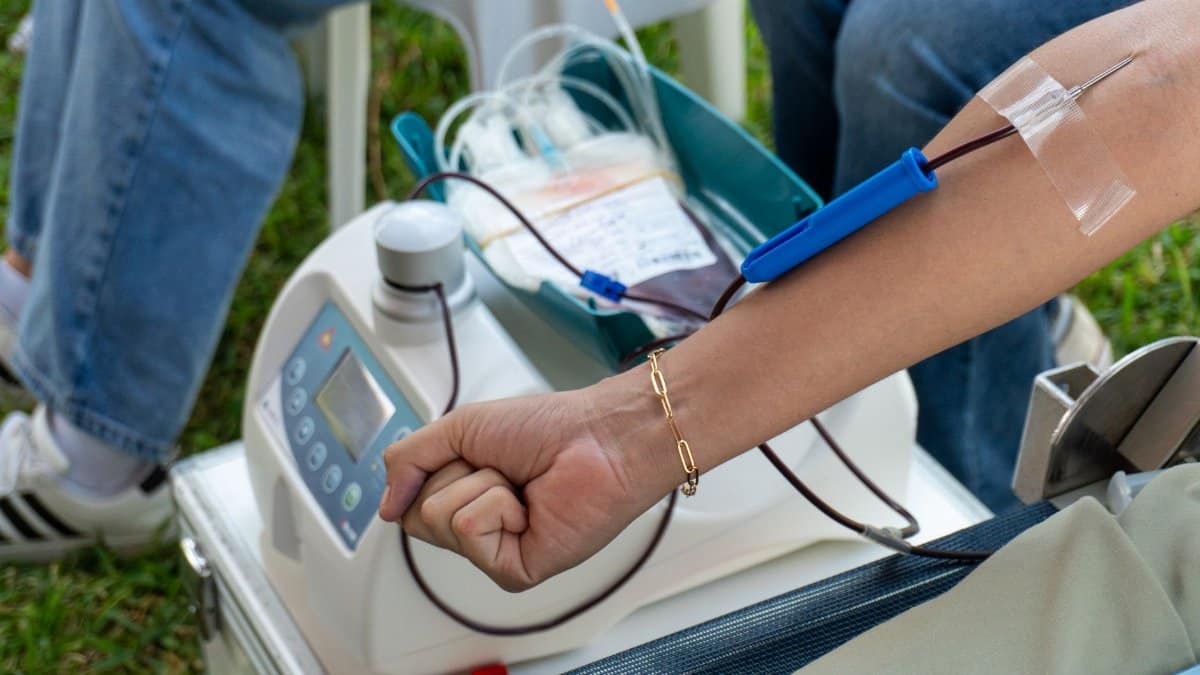
The individuals behind this contribution have long maintained connections to Houston Methodist through family health experiences and community involvement. Their decision reflects a desire to strengthen local access to specialized treatments that might otherwise require travel to distant centers. Over time these donors have supported smaller initiatives at the hospital, building toward this larger expression of support.
Allocation Plans for the Record Sum

Hospital leaders intend to direct portions of the Methodist $110M gift toward oncology expansions, cardiovascular research and training for new physicians. Another segment will aid infrastructure upgrades that improve efficiency during high volume periods. These choices emerged after internal reviews of patient data and regional health trends that highlighted specific gaps in current offerings.
Place in Houston Methodist History

Founded more than a century ago the system has grown from a single facility into a network serving thousands daily. The Methodist $110M gift surpasses all prior contributions and arrives during a period of strategic growth. Past donations helped establish key departments now recognized nationally, yet none matched the current total in immediate resources.
Effects on Regional Healthcare Access

Residents across greater Houston stand to benefit from shorter wait times and broader insurance acceptance once new programs launch with the gift proceeds. Rural patients referred to the main campus may see improved coordination that reduces repeated travel. Local clinics affiliated with the system could gain tools for earlier detection of chronic conditions common in the area.
Broader Trends in Medical Philanthropy

Large scale giving to health institutions has accelerated in several states as wealth concentrates among families with direct ties to medicine. This pattern mirrors shifts seen in education and the arts where single gifts now rival annual budgets for entire divisions. Houston Methodist joins peers that have used similar inflows to recruit talent and launch trials otherwise delayed by federal funding cycles.
Potential for Research Advancements

Scientists at the hospital anticipate dedicated labs funded by the Methodist $110M gift will accelerate work on targeted therapies for diseases prevalent in diverse urban populations. Collaborations with nearby universities could follow, bringing fresh expertise without the need to build separate campuses. Early planning documents suggest focus areas include genetic markers and preventive strategies tested through community outreach.
Community Reactions and Expectations

Patients and staff have expressed optimism mixed with calls for transparent reporting on spending milestones. Town hall sessions allowed residents to voice priorities such as mental health integration and support for uninsured families. Leadership has pledged regular updates to maintain trust throughout the multi year rollout.
Looking Ahead for the Institution
With this infusion Houston Methodist positions itself for sustained leadership in a competitive landscape where technology and personalized medicine drive patient choices. The Methodist $110M gift may serve as a model for other systems seeking to balance mission driven care with fiscal realities. Future campaigns could build on this foundation to address emerging challenges like post pandemic recovery and workforce shortages.