

In the crowded corridors of a North Philadelphia elementary school, a principal arrives early to handle a flood of parent concerns before classes even begin, setting a tone of quiet determination amid daily chaos. Such experiences echo throughout the district and form the core of the Philadelphia principals survey, which captures how these leaders balance hope for progress with the weight of ongoing demands.
Understanding Daily Leadership Demands

Principals describe routines filled with meetings, discipline issues, and staff coordination that stretch well into evenings. The Philadelphia principals survey highlights how these tasks often leave little room for strategic planning, leading many to feel stretched thin yet committed to their communities.
Perspectives on Recent School Changes
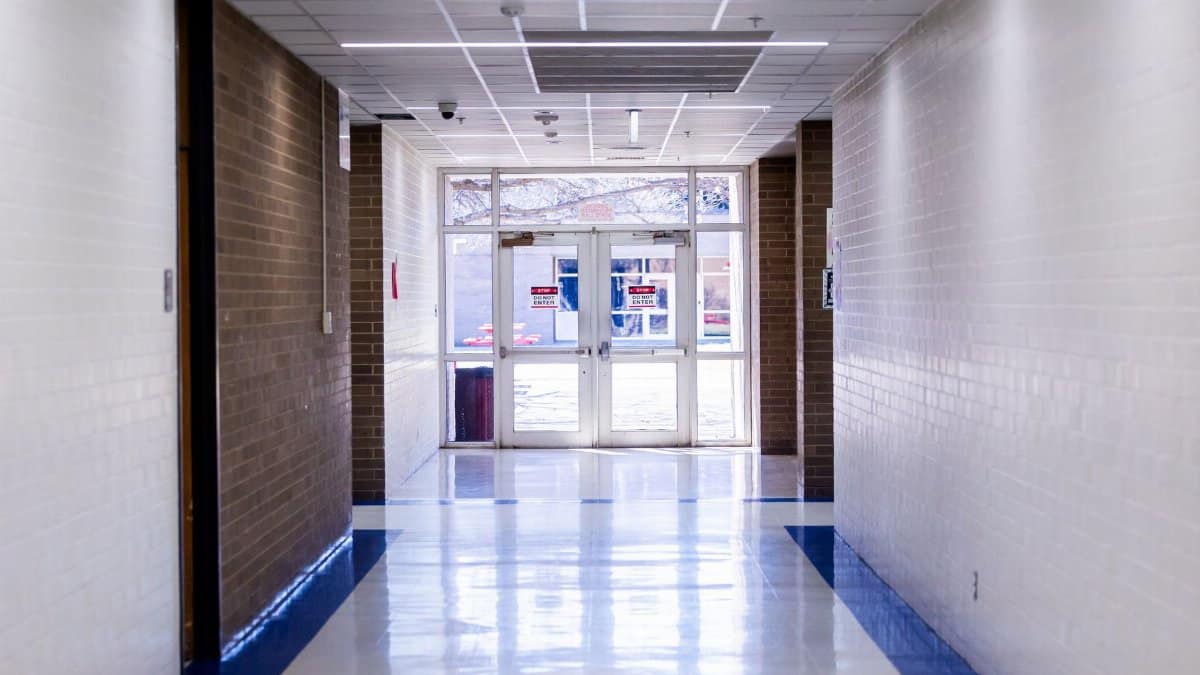
Many respondents note gradual gains in student engagement and curriculum updates over recent years. According to the Philadelphia principals survey, a majority see their buildings as moving forward, though gains vary widely by neighborhood resources and support levels.
Resource Shortages and Their Effects

Funding gaps for materials, technology, and support staff emerge as frequent complaints in the Philadelphia principals survey. Leaders explain that without adequate supplies, even strong teaching plans falter, creating frustration that affects morale across entire faculties.
Connections to Broader Community Values

School heads often frame their work as tied to neighborhood stability and family well being. The Philadelphia principals survey shows a strong sense of duty to foster environments where children learn respect, resilience, and basic life skills alongside academics.
Effects on Staff Retention Trends

High turnover among teachers ties directly to principal experiences, as the Philadelphia principals survey points out patterns of burnout that ripple outward. When leaders lack backup, entire teams struggle to maintain consistent classroom quality over time.
Roles in Shaping Student Character

Beyond test scores, principals emphasize moral guidance and emotional support for young people facing home challenges. Insights from the Philadelphia principals survey reveal this aspect as central to job satisfaction, even when other pressures mount.
Calls for Policy Adjustments

Survey participants advocate for streamlined reporting requirements and more autonomy in budget decisions. The Philadelphia principals survey suggests these shifts could free up time for direct student interaction, improving overall school climates in meaningful ways.
Looking Ahead to Sustained Progress

Despite hurdles, many principals express cautious optimism about future improvements if district wide changes take hold. Drawing from the Philadelphia principals survey, their collective voice underscores the need for ongoing dialogue between administrators and city officials to build lasting success.