

Families across Houston have found themselves adjusting their shopping habits after a series of announcements about tainted items reaching store shelves. Shoppers in Texas often rely on familiar brands for everyday meals, yet recent developments have introduced new layers of caution when selecting eggs, fresh produce, and even certain supplements. The situation highlights how interconnected supply chains can affect households far from the original source of a problem. In this environment, awareness of salmonella recalls becomes essential for anyone trying to maintain a safe kitchen without unnecessary worry.
Local Grocery Impacts in Houston

Major chains serving the Houston area have responded by pulling specific lots from displays and posting notices at entrances. Store managers report increased questions from customers seeking reassurance about the safety of remaining inventory. This has led some outlets to emphasize their own testing protocols while working closely with suppliers to verify compliance.
Products Most Often Involved
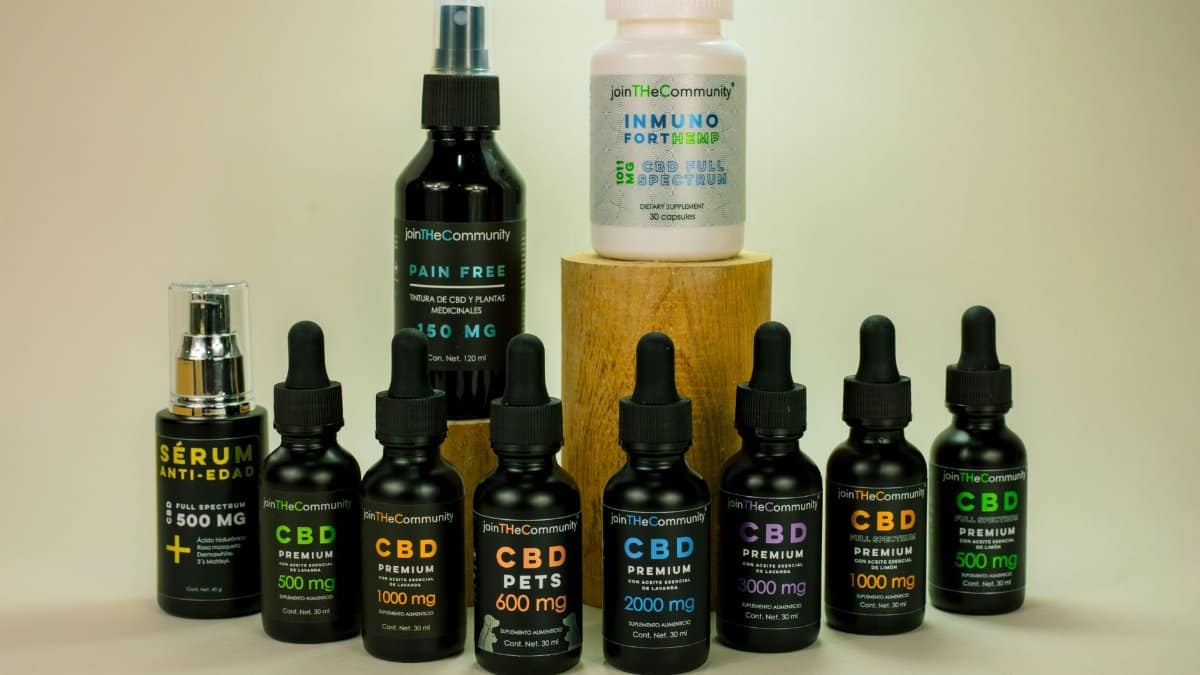
Eggs remain a frequent focus in these situations because of how they are handled during processing and transport. Leafy greens and certain berries have also appeared on lists, along with powdered supplements that may have been processed in shared facilities. Consumers are advised to check package dates and lot codes against official postings rather than assuming all items of a brand are affected.
Checking Recall Status at Home

Texas residents can visit government websites or sign up for alerts through state health departments to stay informed in real time. Many people now photograph receipts and packaging as a habit, making it easier to trace purchases if an announcement arrives after a shopping trip. This simple step reduces the chance of overlooking a relevant notice.
Recognizing Possible Symptoms

Medical experts note that signs such as fever, diarrhea, and abdominal cramps typically appear within a few days of exposure. Most healthy adults recover without lasting effects, yet older individuals or those with weakened immune systems face higher risks of complications. Local clinics in the Houston region have seen a modest uptick in related inquiries during active recall periods.
Safe Food Handling Practices
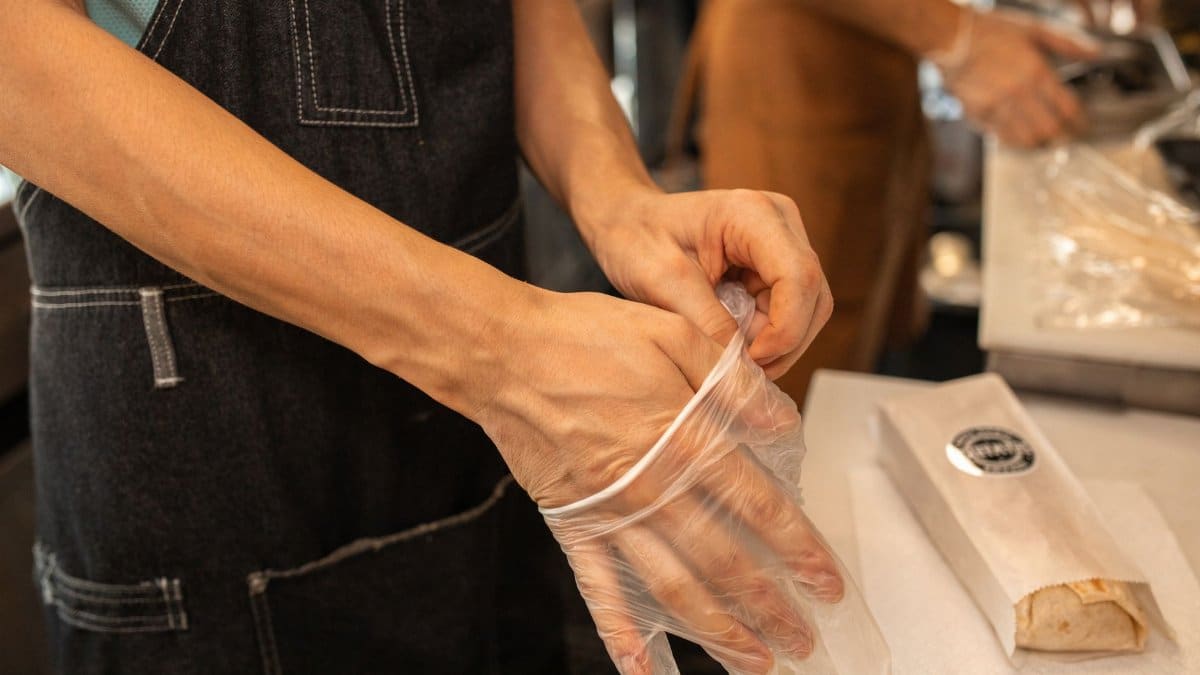
Washing hands thoroughly before and after food preparation remains one of the most effective barriers. Separating raw items from ready to eat foods on countertops and in refrigerators further lowers cross contamination chances. Cooking eggs and produce to recommended internal temperatures adds another layer of protection that many households already follow.
Role of Federal Oversight Agencies

The Food and Drug Administration and Department of Agriculture coordinate investigations when contamination is suspected. Their teams trace distribution routes and work with manufacturers to determine whether a recall should extend nationwide or remain regional. Texas officials often receive early briefings so they can tailor messages for local media and community organizations.
Community Response and Resources

Food banks and nutrition programs in Houston have adjusted distributions to avoid any implicated items. Public health departments host occasional information sessions where residents can ask questions directly. These efforts aim to keep accurate details circulating rather than allowing rumors to spread through social channels.
Looking Ahead for Texas Consumers

Improved tracking technology and faster laboratory methods may shorten the time between detection and public notice in coming years. Shoppers who stay engaged with reliable information sources will be better positioned to make confident choices. Ongoing dialogue between regulators, retailers, and households supports a more resilient food system overall.