
In the quiet towns along Massachusetts North Shore a modest dwelling connected to one of the nations earliest struggles now faces an uncertain future. Local residents and historians have begun to ask whether the structure tied to a man who aided George Washington during the famed river crossing deserves formal protection. The property sits amid newer construction yet retains details from its earliest years. Preservation advocates point to its link with a Revolutionary War home that witnessed both personal sacrifice and national birth. They argue that allowing further erosion of such places would dim the visible record of how ordinary individuals shaped the fight for independence. Discussions in town halls and historical societies reveal a shared desire to weigh development pressures against the value of keeping tangible reminders intact for future generations.
Tracing the Path of a Key Figure
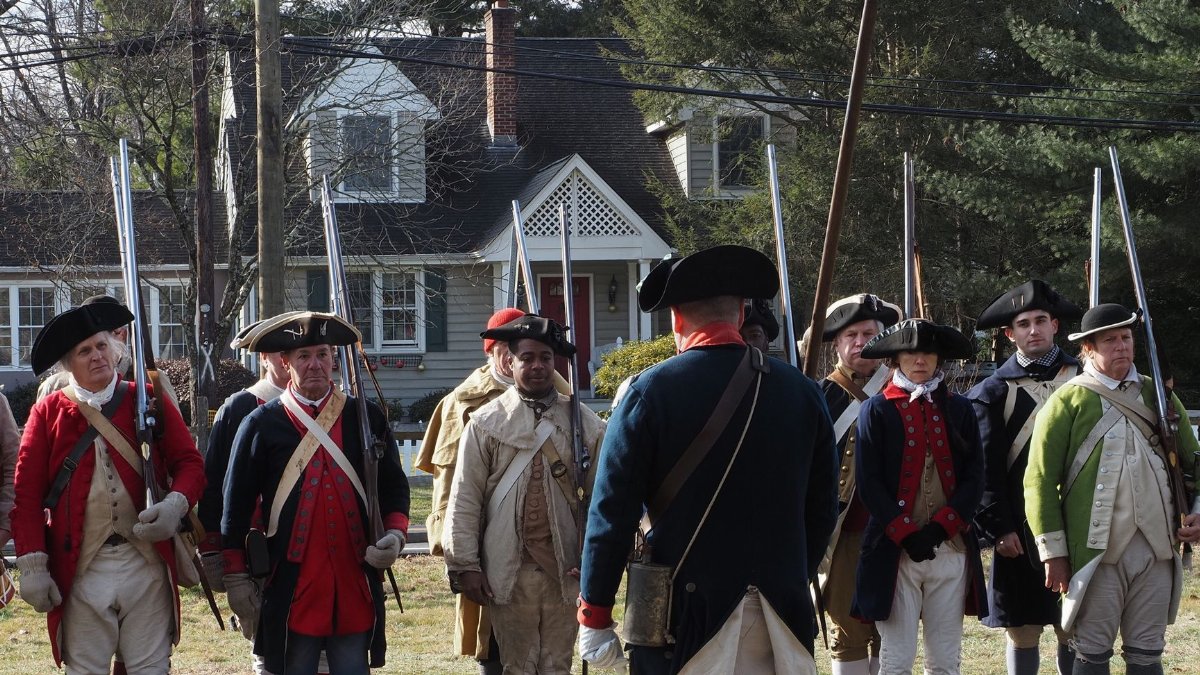
The individual associated with this site served in a support role during the winter campaign that turned the tide in the colonies favor. Accounts describe him guiding boats through icy waters while Washington planned the surprise attack on Hessian forces. His actions formed part of a larger effort involving many unnamed participants whose contributions receive less attention in standard accounts. Records from the period note his later return to civilian life in Massachusetts where he resumed work as a craftsman and community member. These details emerge from pension applications and local ledgers that historians continue to examine for fresh context.
Features of the North Shore Residence

The house displays construction methods common in the late eighteenth century with heavy timber framing and simple interior layouts suited to a working household. Original windows and doorways survive in altered form offering clues about daily routines of that era. Surrounding land once supported small scale farming and perhaps a workshop area though modern boundaries have reduced the original footprint. Visitors today observe how the building sits slightly elevated providing views toward the water an element that may have influenced its choice as a family seat.
Current Condition and Threats

Time and weather have taken a toll on exterior surfaces while interior plaster shows cracks from settlement. Nearby commercial projects raise concerns about increased traffic and possible changes to the water table that could affect foundations. Owners have maintained the property at a basic level yet lack resources for full restoration. Without coordinated intervention further decay appears likely within the coming decade.
Local Voices on Protection Measures

Residents express mixed views with some favoring tax incentives to encourage private upkeep and others calling for public acquisition. Meetings draw participants who recall childhood visits to similar historic sites and wish to pass along that experience. Business owners note that tasteful tourism could benefit the area provided any signage and parking remain modest in scale. These conversations reflect a broader regional pattern where communities balance growth with memory.
Lessons from Comparable Sites

Other New England locations have succeeded in stabilizing Revolutionary era buildings through partnerships between historical groups and municipal governments. In one case a nearby town secured grants that funded roof repairs and interpretive panels without turning the house into a full museum. Such models suggest that selective funding can extend the life of structures while keeping them in residential or mixed use. Observers cite these examples as practical guides rather than unattainable ideals.
Broader Meaning of Saving Early American Places

Protecting individual properties contributes to a wider understanding of how the independence movement took root in everyday settings. The Revolutionary War home under discussion represents one thread in a larger fabric that includes battlefields meeting houses and family farms. When such places disappear the public loses direct access to spaces that once hosted decisions and labors central to the nations formation. Advocates maintain that thoughtful stewardship need not halt progress but can instead enrich it.
Next Steps for Advocates and Officials

A petition now circulates seeking formal review by state preservation boards. Organizers plan to gather additional documentation including photographs and oral histories from longtime neighbors. Officials have indicated willingness to examine funding options once the review process begins. The outcome will likely set a precedent for how similar properties are treated in coming years.